

A Sanctuary of Vision: Exploring the Royal Institute of British Architects
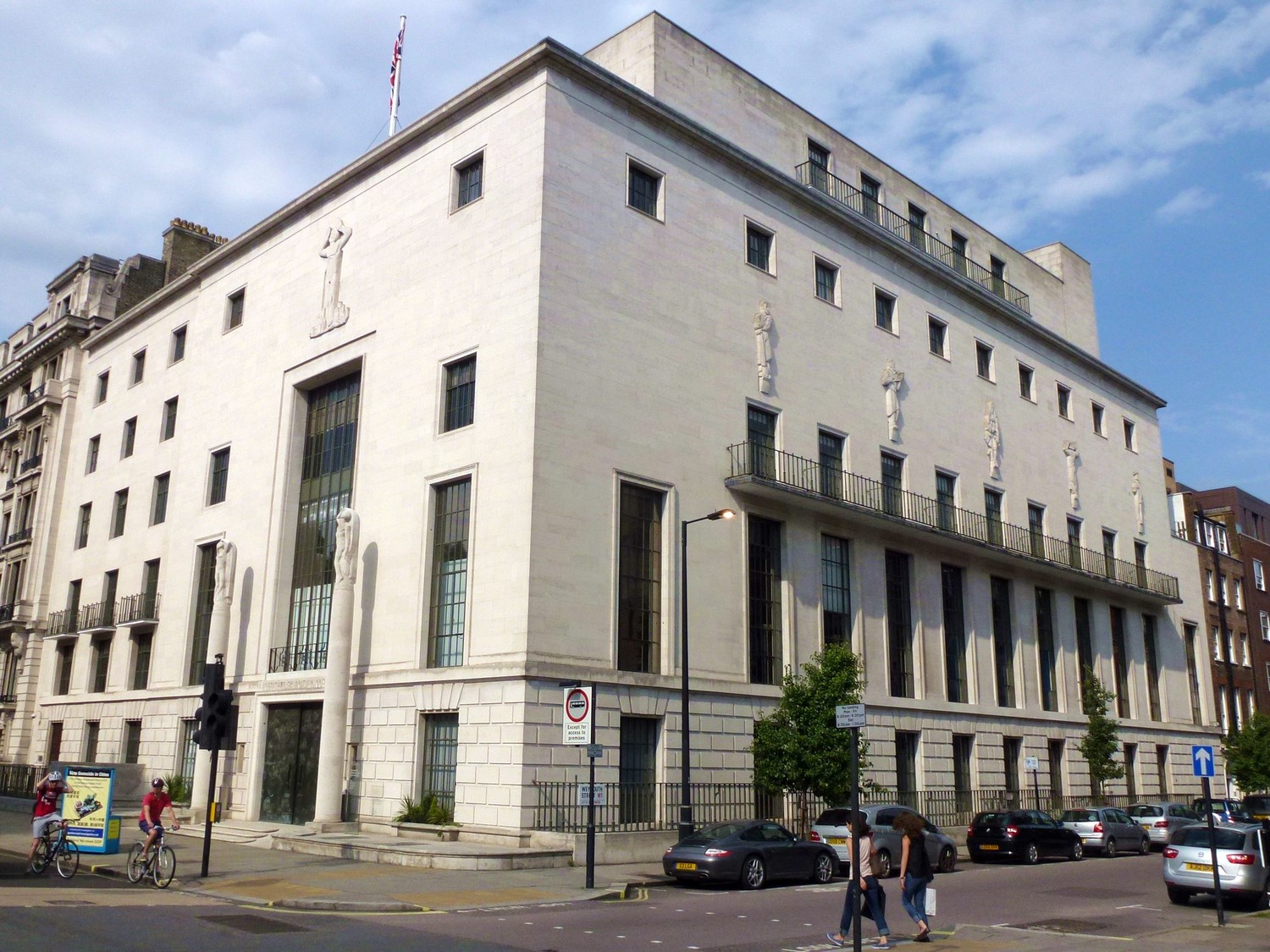
Nestled within the elegant Georgian townhouse at 66 Portland Place in London’s West End lies a treasure trove for anyone captivated by the art of building – the Royal Institute of British Architects (RIBA). More than just a museum, RIBA is a living archive, a dynamic hub for architectural thought, and a testament to centuries of design evolution. Founded in 1834 as the Institute of British Architects, its story mirrors the very fabric of Britain’s built environment, weaving together historical grandeur with contemporary innovation. Stepping through its doors isn't merely an act of sightseeing; it’s an immersion into the ideas and aspirations that have shaped our world, a journey guided by the enduring power of architectural vision.
The building itself is a masterpiece – a meticulously crafted embodiment of Victorian Gothic architecture designed by Sir George Gilbert Scott. Its soaring arches, ribbed vaults, and delicate tracery create an atmosphere of reverence and inspiration, mirroring the institute’s commitment to design excellence. The RIBA's headquarters are not simply a structure; they are a work of art in their own right, reflecting the profound connection between form and function that lies at the heart of architectural philosophy. The intricate detailing – from the hand-painted plasterwork to the carefully chosen marbles – speaks volumes about the institute’s dedication to quality and its celebration of craftsmanship.
- A World-Class Library: The RIBA's library is arguably its most significant asset, a repository of architectural knowledge unparalleled in scope and depth. Within its walls reside an astonishing array of historic drawings, prints, photographs, and models – a tangible link to the past that illuminates the evolution of British architecture. Imagine tracing the elegant lines of Inigo Jones’ designs or studying the intricate plans of Sir Christopher Wren's masterpieces; here, history is not confined to textbooks but unfolds in meticulously preserved visual records.
- The Stirling Prize: RIBA administers the prestigious Stirling Prize, an award recognizing outstanding architectural achievements across the United Kingdom. This isn’t merely a celebration of aesthetics; it champions buildings that enrich communities, demonstrate environmental responsibility, and exemplify exceptional design quality – principles that underscore RIBA's commitment to shaping a more sustainable and equitable future.
- Exhibitions & Events: Throughout the year, RIBA hosts thought-provoking exhibitions showcasing innovative designs and exploring critical issues facing the profession. These events serve as platforms for emerging talent and established architects alike, fostering dialogue and pushing the boundaries of creative expression. From explorations of sustainable building practices to showcases of groundbreaking architectural projects, RIBA consistently provides a space for engaging with the latest developments in the field.
Echoes of the Past: A Chronicle of Architectural Pioneers
The history of RIBA is inextricably linked to the pioneering architects who shaped Britain’s landscape. Early members like John Buonarotti Papworth, a versatile architect and artist known for his detailed perspective drawings, laid the foundation for the institute's commitment to both artistic skill and technical precision. William Hemsley, famed for his idyllic cottage life scenes, contributed significantly to the institute’s visual record of British life. And Cyril Arthur Farey, renowned for his meticulous renderings of iconic landmarks like Lutyens’ designs, exemplifies the institute’s dedication to documenting architectural heritage.
The institute's archives hold a wealth of material relating to these figures and countless others – drawings, correspondence, photographs, and models that offer invaluable insights into their creative processes. Exploring these collections reveals not only the technical mastery of these architects but also the social and cultural contexts in which they worked. The RIBA’s commitment to preserving this legacy ensures that the voices of architectural pioneers continue to resonate for generations to come.
The Portland Place Legacy: A Hub for Architectural Discourse
Beyond its collection, RIBA serves as a vital hub for architectural discourse and professional development. Its central London location at 66 Portland Place has long been synonymous with innovation and creativity, attracting architects, students, and enthusiasts from around the world. The institute’s ongoing ‘House of Architecture’ program – currently undergoing refurbishment – reflects its commitment to adapting to the evolving needs of the profession and ensuring that architectural knowledge remains accessible and engaging.
The building itself has undergone several transformations throughout its history, each reflecting the changing priorities of the institute. From its initial construction in 1837 to its recent renovations, RIBA’s headquarters have consistently served as a dynamic space for learning, collaboration, and inspiration. The ongoing refurbishment promises to further enhance accessibility and equip RIBA for future generations, reimagining how architectural knowledge can be shared and experienced.
A Global Influence: Shaping the Future of Design
RIBA’s influence extends far beyond the borders of Britain, shaping architectural practices and standards globally. Through its prestigious awards, educational programs, and advocacy work, the institute plays a crucial role in promoting sustainable design, social responsibility, and innovative building techniques. The Stirling Prize, in particular, has become an internationally recognized symbol of excellence in architecture, inspiring architects to push the boundaries of creativity and address pressing societal challenges.
As RIBA continues to evolve and adapt to the demands of the 21st century, it remains a vital force for shaping the future of design – a sanctuary of vision where architectural ideas are nurtured, celebrated, and shared with the world. A visit to RIBA is not merely a museum trip; it’s an encounter with the very essence of what makes architecture so profoundly important to our lives.