A Journey Through Centuries of Artistic Achievement
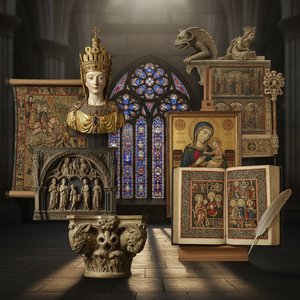
The Prague National Gallery stands as a majestic beacon of Czech cultural heritage, offering visitors an unparalleled opportunity to immerse themselves in the profound evolution of European art. Situated amidst the architectural grandeur of Prague’s historic heart—a city itself steeped in tales of kings and revolutions—the gallery is far more than a mere repository of artifacts; it is a living testament to human creativity and intellectual curiosity. As one wanders through its halls, the collection chronicles over eight centuries of artistic endeavor, tracing a path from the intricate mosaics of medieval churches to the bold, pulsating canvases of the Impressionist era. This chronological framework illuminates the broader sweep of European history, where Byzantine icons serving as symbols of spiritual devotion meet the dramatic, sweeping narratives of Baroque sculpture.
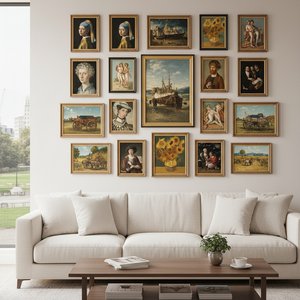
The gallery’s international collection serves as a global crossroads, showcasing the genius of luminaries such as Picasso, Monet, Van Gogh, and Cézanne . To stand before these works is to witness the very transformation of modern perception; one can trace the fractured perspectives of Cubism, the fleeting light effects of Impressionism, and the emotive, heavy color palettes of Post-Impressionism. For the discerning collector or interior designer, these masterpieces offer more than aesthetic beauty—they provide a window into the shifting socio-cultural contexts that shaped the Western canon. The collection is further enriched by local treasures, most notably Alfons Mucha’s Slav Epic , a monumental series of paintings that captures the spirit of Slavic mythology and Czech national identity with breathtaking symbolic richness.
Architectural Grandeur and Curated Visions
Beyond its extraordinary artistic holdings, the Prague National Gallery is defined by a captivating architectural narrative. The museum's various sites are themselves remarkable achievements, reflecting Prague’s many architectural metamorphoses. The Trade Fair Palace , conceived as an emblem of modernist innovation during the interwar period, provides a striking contrast to the more classical atmospheres found in the Palace Schönbrunn and the Lobković Palace . Each building is imbued with a palpable sense of history, resonating with echoes of aristocratic patronage and the structural evolution of the city itself. This architectural diversity ensures that every visit is a stimulating sensory experience, where the setting is as much a part of the art as the paintings on the walls.
The museum continues to breathe life into its collections through numerous exhibitions and educational programs designed to foster deep appreciation among visitors of all ages. Whether contemplating the vibrant botanical beauty in Raoul Dufy’s “Flowers” or exploring the poignant, intimate themes of connection in Lucien Freud’s “The Painter’s Mother” , the gallery invites a contemplative dialogue between the past and the present. It is this comprehensive scope—a singular ambition to present a holistic panorama of European art history—that distinguishes the Prague National Gallery. It remains an essential destination for anyone seeking to embark on a journey through the intellectual and aesthetic developments that continue to resonate in our modern world.