

A Journey Through Pomerania’s Artistic Soul
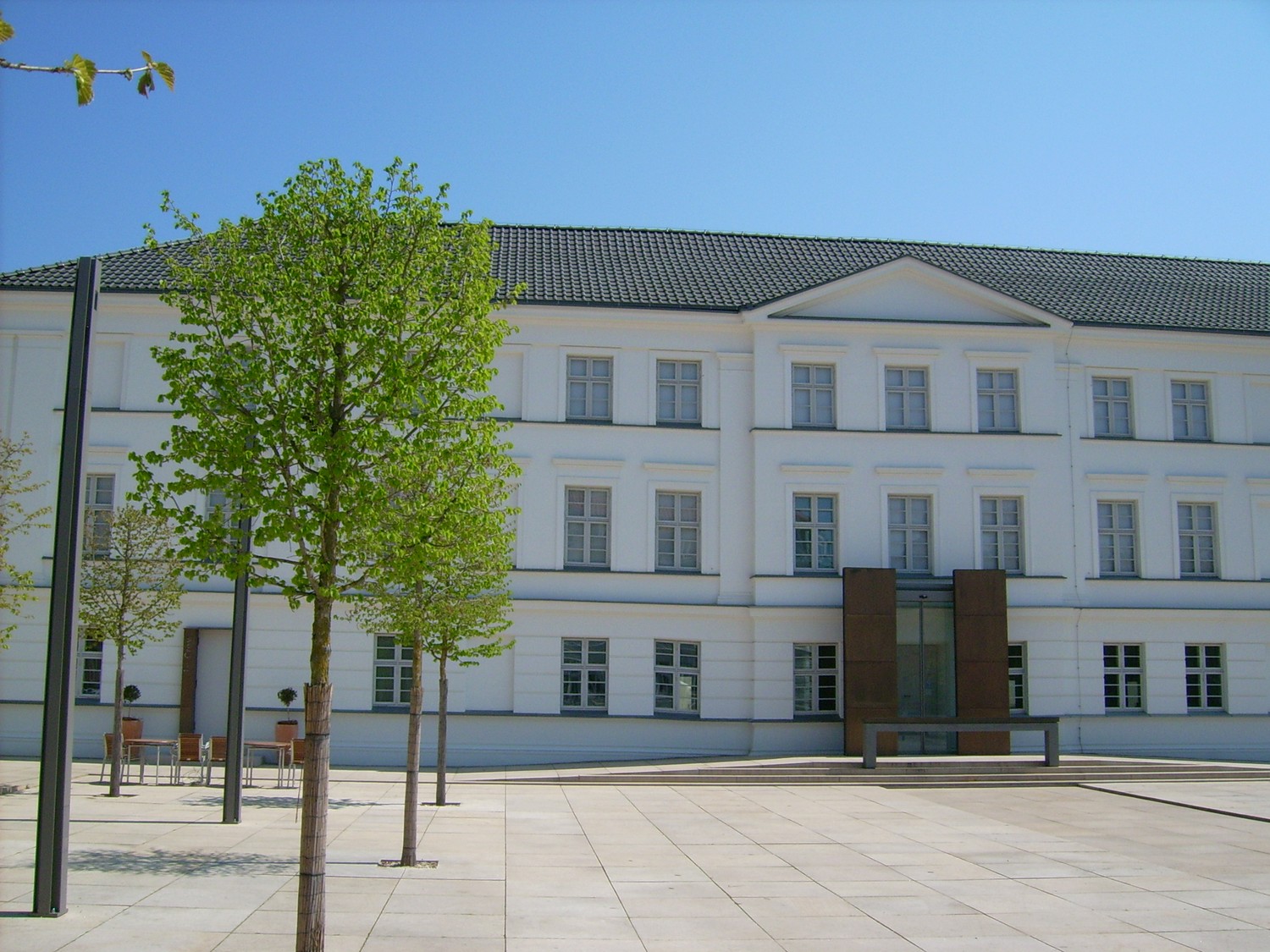
The Pomeranian State Museum in Greifswald stands as a profound testament to the region's enduring legacy—a vibrant tapestry woven from fourteen millennia of history and artistic expression. Situated on the hallowed grounds of a former Franciscan monastery, the institution is far more than a mere repository for artifacts; it is an immersive experience designed to illuminate the multifaceted identity of Pomerania. The museum’s very architecture embodies a poignant dialogue between past and present, where the monastic tradition of the original abbey meets modern architectural innovation. Visitors find themselves wandering through a space where the weight of history is palpable, yet the atmosphere remains one of light and discovery, thanks to expansive windows that flood the galleries with natural illumination.
At the heart of this cultural sanctuary lies an extraordinary collection of archaeological treasures that offer intimate glimpses into the lives of Pomerania’s earliest inhabitants. From the rugged elegance of intricately crafted flint tools to the monumental stone sculptures unearthed from ancient Slavic burial mounds, these relics serve as echoes of a distant era. Each piece tells a story of migration, trade, and the foundational societal structures that shaped European narratives long before the modern age. This deep temporal reach allows the museum to present a continuous narrative of human existence, tracing the evolution of the landscape and its people from the Stone Age through to the complexities of the twentieth century.
The Sublime Vision of Caspar David Friedrich
For lovers of Romanticism and collectors of profound emotion, the museum’s devotion to Pomeranian art finds its zenith in the celebrated works of Caspar David Friedrich. As a native of Greifswald, Friedrich’s creative vision was deeply rooted in the local topography, and the museum holds several of his masterpieces that capture the sublime beauty of the Nordic wilderness. One cannot stand before his iconic paintings without feeling the atmospheric tension and spiritual depth he so masterfully employed. His technique, characterized by a delicate use of perspective and symbolic imagery, invites viewers into a meditative state, contemplating themes of mortality, nature, and the infinite.
The art gallery itself carries a unique historical resonance, having once served as the town school under the guidance of Johann Friedrich Quistorp, the very teacher who mentored Friedrich. This connection between the artist’s formative years and the physical space where his works now reside creates a rare sense of continuity. To witness pieces such as the famous depictions of the ruins of Eldena is to engage directly with the landscape that inspired the Romantic movement. For interior designers and art enthusiasts alike, these works offer more than mere decoration; they provide a window into a soulful engagement with the natural world, making them timeless cornerstones for any serious consideration of Northern European art.
A Living Legacy of Regional Heritage
Beyond its celebrated canvases and ancient relics, the Pomeranian State Museum serves as a vital chronicle of regional transformation. The exhibits trace the pivotal shifts from medieval monastic settlements to the industrious rise of towns during the Prussian era, documenting the political upheavals and economic innovations that redefined the region. This historical breadth is further expanded by the museum's ambitious future, including the development of a satellite branch at Jagdschloss Granitz on the breathtaking island of Rügen. This new endeavor, set within a UNESCO World Heritage Site, promises to delve even deeper into maritime culture and the unique artistic traditions of the Baltic coast.
The museum remains a living institution, constantly evolving to bridge the gap between historical preservation and contemporary engagement. Whether exploring the historical crypt of the Grey Monastery or contemplating the industrial progress of the modern age, visitors are invited to participate in the ongoing story of Pomerania. It is this seamless integration of archaeological depth, Romantic brilliance, and architectural splendor that makes the Pomeranian State Museum a singular destination for anyone seeking to understand the artistic and cultural heartbeat of Northern Germany.