
A Sanctuary of Emilian Art: The Soul of Bologna
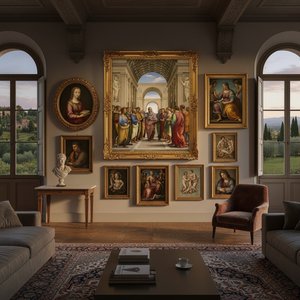
Nestled within the historic heart of Bologna, in a building once dedicated to Jesuit scholars, lies the Pinacoteca Nazionale – a museum that breathes with the spirit of Emilia-Romagna’s artistic heritage. More than just a repository of paintings, it is an immersive journey through centuries of creative expression, a testament to the region's unique contribution to Italian art. The very stones of the building seem to whisper tales of devotion and intellectual pursuit, having originally served as the novitiate for the Society of Jesus. Today, this architectural grace provides a fitting backdrop for a collection that spans from the ethereal beauty of Byzantine icons to the dramatic flourishes of Baroque masterpieces.
The story of the Pinacoteca is one woven with threads of both ecclesiastical patronage and political upheaval. Its origins can be traced back to the 18th century, born from a desire to safeguard altarpieces belonging to the Accademia Clementina. However, it was during the tumultuous Napoleonic era that the museum truly began to take shape. As religious orders were suppressed and convents dissolved, countless paintings found themselves without a home. These displaced artworks – once vibrant focal points of faith and community life – were consolidated, forming the core of what would become the Pinacoteca Nazionale. This period wasn’t merely about preservation; it was an act of cultural rescue, ensuring that these artistic treasures wouldn’t be lost to time or scattered across Europe.
A Tapestry of Renaissance Mastery and Baroque Drama
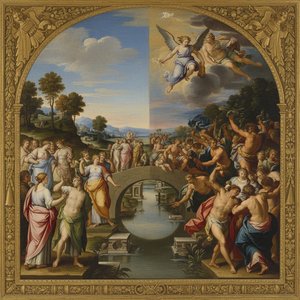
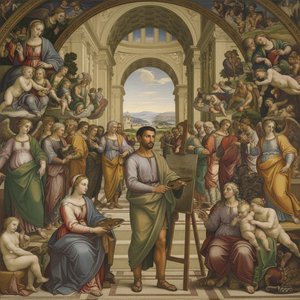
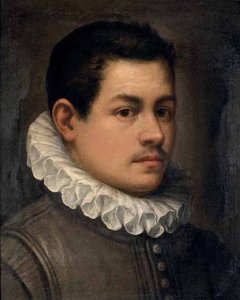
Walking through its halls feels like stepping into the workshops of masters such as Raphael, Annibale Carracci, and Guido Reni. The museum offers a profound encounter with the High Renaissance, exemplified by works like The Ecstasy of Saint Cecilia , where Raphael’s mastery of composition and emotional depth creates a sense of divine grace. The influence of the Carracci family is felt in every corner of the galleries; their innovative approach to painting, emphasizing naturalism and dramatic storytelling, laid the groundwork for the Baroque dynamism that would later define the region. In the works of Guido Reni, one finds an elegant classicism, where luminous colors and refined figures embody the sophisticated aesthetic of 17th-century Bologna.
Beyond the celebrated names, the collection invites a deeper exploration of the Emilian landscape through artists like Bartolomeo Vivarini and Alessandro Tiarini. For the discerning collector or lover of fine art, these works offer a window into a specific regional identity. One cannot overlook the Salone del Rinascimento , which houses breathtaking frescoes rescued from the church of Sant’Apollonia di Mezzaratta. These vibrant fragments are more than mere decorations; they are architectural survivors that demonstrate the museum’s extraordinary commitment to safeguarding entire artistic environments. To stand before these rescued murals is to connect with the very artisans who painstakingly applied pigment to plaster centuries ago.
The Essence of Regional Identity
What truly sets the Pinacoteca Nazionale di Bologna apart is its unwavering focus on Emilian art. Unlike larger, more encyclopedic museums that attempt to encompass the entire history of Western painting, this institution delves deep into a specific regional soul. It reveals the unique character and sensibility that define Emilia-Romagna's creative legacy, offering a level of scholarly depth and nuanced understanding that is rarely found elsewhere. This dedication allows visitors, from art historians to interior designers seeking authentic inspiration, to experience a concentrated essence of Italian beauty, shaped by the museum’s prestigious location within Bologna’s historic University district.