A Sanctuary of Renaissance Light
Nestled within the ancient, sun-drenched walls of Sansepolcro in Tuscany, the Pinacoteca Comunale is far more than a mere repository of paintings; it is a profound immersion into the very soul of the Italian Renaissance. The museum’s physical presence is a narrative in itself, evolving from a complex of interconnected palaces including the medieval Palazzo della Residenza , the Palazzo dei Conservatori del Popolo , and the Palazzo del Capitano . As one wanders through these halls, the blended architectural styles whisper stories of centuries past, creating an elegant stage where art serves as a bridge between the earthly and the divine. The stones of these corridors seem imbued with the spirit of humanism, offering a space where the intellectual exploration and spiritual fervor of the Renaissance era remain palpably alive.
The international renown of this sanctuary rests almost entirely upon the shoulders of one titan: Piero della Francesca . As Sansepolcro is his birthplace, the museum holds a sacred connection to his genius, housing works that are not merely masterpieces but windows into a new way of seeing. Foremost among these is the Resurrection , a work of unparalleled psychological and technical depth. In this painting, Piero transcends simple biblical depiction to explore the delicate interplay of perspective, light, and human emotion. The composition, characterized by its stark clarity and monumental figures, grounds the miraculous in a tangible, almost sculptural reality. To stand before it is to experience the master's ability to use mathematical precision to convey divine power, inviting viewers to contemplate the mysteries of faith through the lens of human understanding.
A Tapestry of Regional Heritage
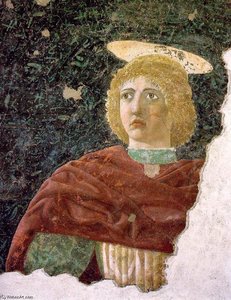
Beyond the singular brilliance of Piero, the collection offers a rich tapestry of regional heritage that provides essential context to the era. Fragments of the magnificent Polyptych of the Misericordia grace these halls, showcasing Piero’s unparalleled mastery of color and narrative detail. These panels, alongside works by local artists who flourished in the same period, reveal a vibrant artistic community where devotional themes were interpreted through diverse stylistic lenses. For the art historian or the discerning collector, these lesser-known works are vital threads that illustrate how Renaissance ideals permeated the surrounding territories, proving that Piero’s light was part of a much larger, illuminating flame that swept across Tuscany.
The historical journey of this institution adds a layer of profound significance to the visitor experience. Having once served as a Monte di Pietà —a Renaissance pawnshop—the building reflects the evolving identity of Sansepolcro. Its architecture, with a façade showcasing Gothic and Tuscan Renaissance elements, serves as an infinite source of inspiration for the interior designer or lover of classical aesthetics. It demonstrates how balanced color palettes, masterful composition, and a sense of monumental stillness can elevate a space, transforming a mere room into a place of profound contemplation and timeless beauty.