

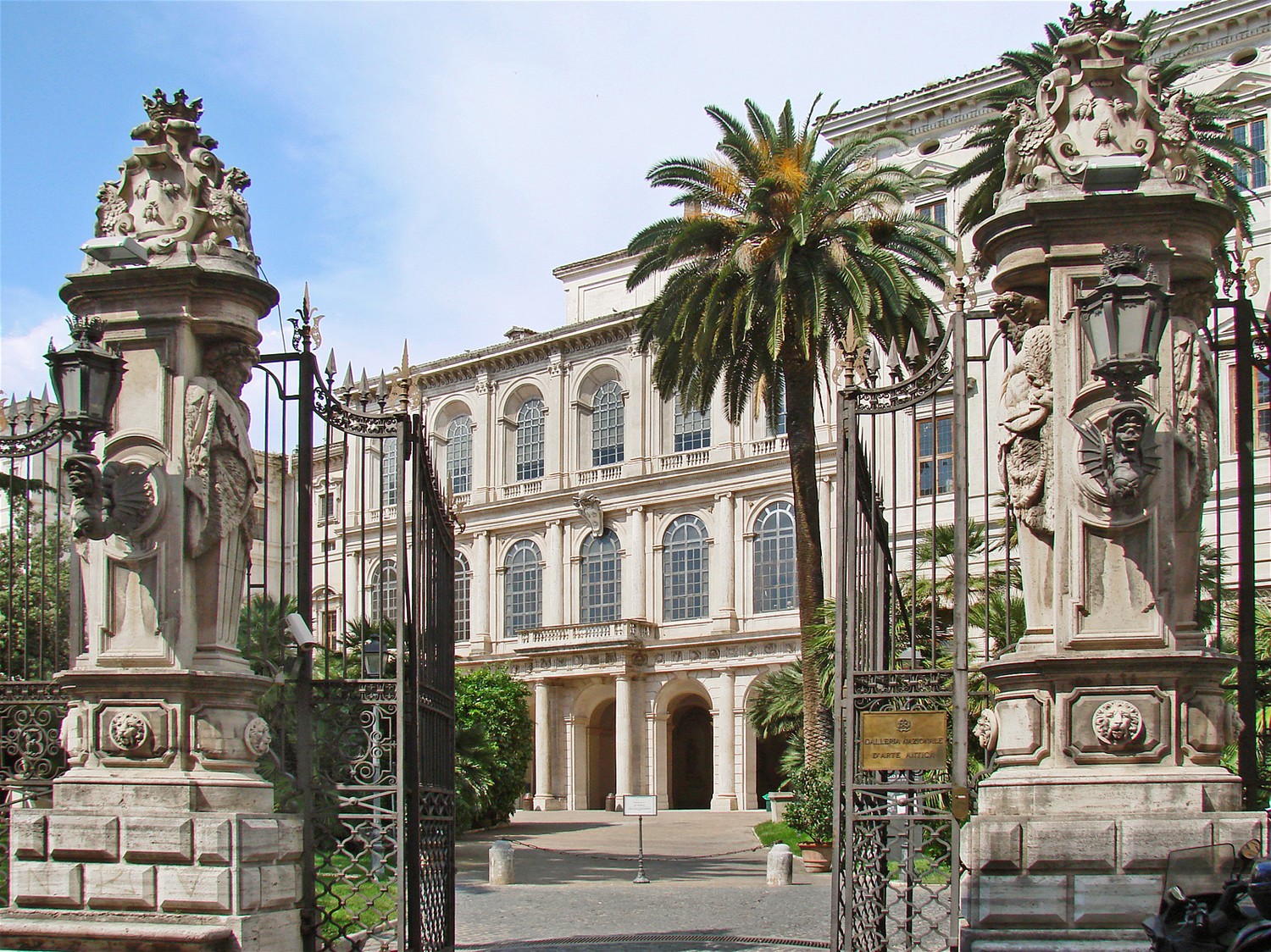
A Baroque Symphony of Art and Power
Palazzo Barberini stands as far more than a mere monument of stone and mortar; it is an immersive journey into the very heart of Italy's Baroque artistic fervor. Located in the historic pulse of Rome’s Piazza Barberini, this palazzo embodies the soaring ambition of papal patronage, representing the absolute pinnacle of Baroque innovation under the reigns of Popes Urban VIII and Benedict XIV. The structure itself serves as a silent narrator of an era defined by grandeur, where architectural experimentation met the divine. Designed through a rare collaborative genius involving the titans Carlo Maderno, Francesco Borromini, and Gian Lorenzo Bernini, the palazzo’s very bones speak volumes about a period that sought to blur the lines between reality and the sublime.
The genesis of this masterpiece lies in the visionary zeal of Cardinal Francesco Barberini, nephew of Pope Urban VIII. Driven by a singular, audacious goal to surpass the splendor of Versailles and solidify Rome’s status as Europe’s undisputed artistic epicenter, he commissioned a work that would redefine spatial perception. Borromini’s contribution is particularly revolutionary; his creation of the elliptical Sala Centrale rejected the rigid symmetrical conventions of the past, pioneering the use of spatial illusions that continue to captivate architects and designers today. This architectural audacity is balanced by Maderno’s classical elegance, creating a harmonious dialogue between structural stability and theatrical movement that remains a hallmark of the Baroque aesthetic.
A Treasure Trove of Italian Heritage
At the soul of the palazzo lies the Galleria Nazionale d’Arte Antica, a breathtaking repository of unparalleled artistic treasures bequeathed to the Italian state. To wander through these halls is to witness the continuous evolution of Italian mastery from the Renaissance to the height of the Baroque. The collection offers an unrivaled panorama of human emotion and technical perfection. One cannot escape the magnetic pull of Raphael's Fornarina , a portrait that captures a tender, intimate glimpse into the artist’s personal life, or the visceral drama of Caravaggio’s biblical narratives. In works like Judith and Holofernes , the masterful use of chiaroscuro —the dramatic interplay of light and shadow—elevates the scene to an emotional crescendo that still resonates with modern viewers.
The visual feast extends beyond the canvas into the realm of three-dimensional genius. Bernini’s sculptures, including his monumental busts of papal authority, stand as testaments to a sculptor who could breathe life into cold marble, conveying profound psychological depth and movement. Above, the ceiling of the Sala Centrale erupts in Pietro da Cortona’s Triumph of Divine Providence , a spectacle of color and composition that serves as a celestial window, reflecting the theological convictions and the sheer decorative excess of the age. For the collector or interior designer, these works represent the ultimate standard of classical beauty and the transformative power of art within a curated space.
Architectural Grandeur and Decorative Splendor
The experience of Palazzo Barberini is not confined to its galleries but is woven into the very fabric of its decorative details. The palazzo is an architectural marvel, featuring elegant facades sculpted by Alessandro Falconetti and monumental staircases designed by Bernini himself—a swirling, dynamic ascent that symbolizes spiritual elevation. Every corner of the estate offers a sensory encounter; the palazzo houses a remarkable collection of decorative arts, including textiles woven with intricate, complex patterns and ceramics embellished with vibrant, life-affirming hues. Inlaid wood panels showcasing exquisite craftsmanship further underscore the Baroque commitment to a total sensory experience.
Today, the palazzo remains a living institution, fostering a continuous conversation between the past and the present through scholarly research and thematic exhibitions. Whether exploring the nuances of Baroque portraiture or the delicate grace of Renaissance sculpture, visitors are invited to participate in a legacy of beauty. For those seeking inspiration, Palazzo Barberini offers more than just a museum visit; it provides a profound encounter with the enduring power of creativity, making it an essential pilgrimage for anyone captivated by the intersection of history, architecture, and the sublime.


