

A Legacy Forged in Maritime Adventure
The air in Salem, Massachusetts, carries a distinct whisper—a blend of salty sea breezes, the echoes of distant voyages, and the lingering scent of exotic spices. It’s within this historically charged city that the Peabody Essex Museum (PEM) stands, not merely as a repository of artifacts but as a vibrant testament to humanity's enduring connection across cultures and centuries. Founded in 1799 by a collective of intrepid sea captains—men driven by an insatiable curiosity for the “natural and artificial curiosities” encountered on their global journeys—PEM’s origins are inextricably linked to Salem’s golden age of maritime trade. These weren't simply collectors; they were explorers, diplomats, and chroniclers, seeking to understand a world vastly different from their own. This initial impetus – a desire for exchange and understanding – remains at the heart of PEM’s mission today, shaping its extraordinary collection and fostering a deep appreciation for global interconnectedness.
The museum's evolution is remarkable. Starting with a modest collection of maritime objects, it has blossomed into one of North America’s most distinguished art institutions, boasting over 1.3 million pieces spanning diverse categories: Asian export art, American decorative arts, maritime history, and much more. This vast panorama reflects the complex interplay between East and West, showcasing exquisite porcelain from China, intricately woven textiles from Japan, and a wealth of objects that tell stories of trade, diplomacy, and cultural exchange.
The Soul of Asia: A Window to Intercultural Dialogue
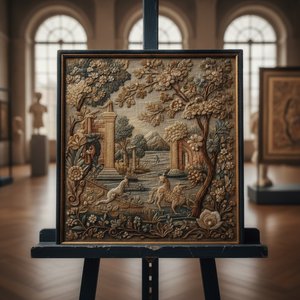
PEM’s specialization in Asian export art is particularly captivating. The museum holds one of the most significant collections of its kind in the United States—a dazzling array of porcelain, lacquerware, textiles, and furniture that serves as tangible evidence of the intricate trade networks connecting East and West during the 18th and 19th centuries. These aren’t simply beautiful objects; they are profound embodiments of cultural dialogue, each piece whispering tales of merchants, artisans, and the dynamic forces shaping global economies. Consider a delicate Chinese silk embroidery, revealing ancient beliefs through its vibrant colors and symbolic motifs, or a bold Japanese lacquer screen—a masterpiece of craftsmanship that showcases the mastery of traditional techniques. The museum’s curators meticulously document these narratives, providing scholarly analyses that illuminate the broader historical context and the fascinating stories behind each object.
Navigating History: Tales from the High Seas
Maritime history is equally prominent at PEM, offering a visceral connection to Salem's past as a bustling port. The museum’s impressive collection of ship models—ranging from miniature replicas that fit in the palm of your hand to monumental reconstructions towering several stories high—transport visitors back to an era when Salem was a gateway to global exploration and commerce. Alongside navigational instruments like sextants and chronometers, meticulously crafted maps charting uncharted territories, and personal accounts detailing the hardships and triumphs of seafaring life, these artifacts provide a powerful glimpse into the ambitions and anxieties of explorers and traders alike. PEM’s historians delve deeply into archival records, reconstructing voyages with remarkable accuracy—often incorporating cutting-edge technologies such as 3D printing to recreate vessels and environments for immersive exhibitions, bringing history vividly to life.
A Singular Treasure: The Yin Yu Tang House
Perhaps the most singularly remarkable feature of PEM is the Yin Yu Tang House—an early 19th-century Chinese residence meticulously dismantled from Anhui Province and painstakingly reconstructed within the museum’s grounds. This extraordinary undertaking, a collaboration between American and Chinese conservators, offers an unparalleled glimpse into traditional Chinese domestic life. Stepping through its threshold feels like traveling back in time, experiencing firsthand the spatial arrangements, sensory details, and cultural values that shaped daily existence within a traditional household. Visitors can observe authentic furnishings, textiles, and decorative arts—accompanied by detailed explanations of their symbolism and significance—providing invaluable insight into Chinese culture during the Qing Dynasty. The house is more than just a building; it’s a living, breathing testament to a vanished world.
A Building That Tells a Story: Architecture and Evolution
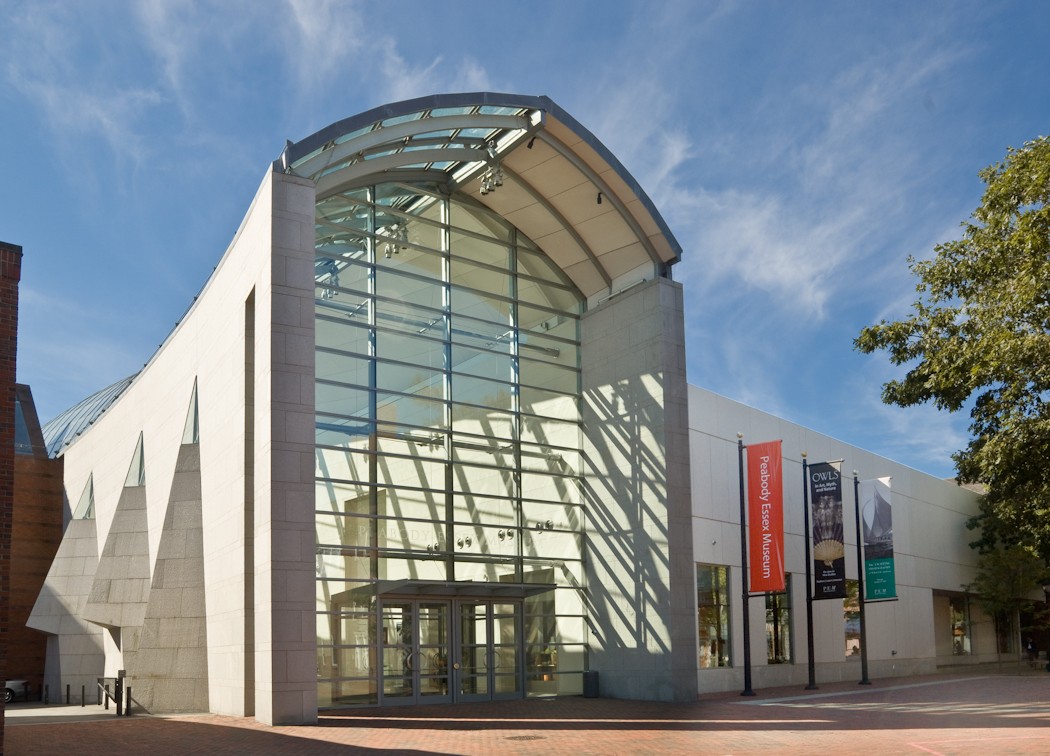
The East India Marine Hall, constructed in the 1820s by the East India Marine Society, stands as a proud sentinel overlooking Salem Harbor. Designated a National Historic Landmark, this elegant building—with its soaring ceilings, grand staircase, and intricate detailing—serves as an integral part of the museum complex, embodying the society’s legacy of maritime exploration and trade. Over the years, PEM has undergone significant expansions, culminating in a major renovation completed in 2003 and the addition of a new wing opened in 2019. This modern extension, designed by Moshe Safdie, seamlessly integrates with the historic structure, creating a dynamic space that accommodates the museum’s growing collection while enhancing visitor experience—a physical manifestation of PEM's continuous evolution. The building’s innovative design incorporates natural light and ventilation, reflecting the museum’s commitment to sustainability and its desire to inspire awe and wonder among visitors.