

Table of Contents
Quick Facts
- Works on APS: 4
- Alternate names:
- Museo del Parmigiano Reggiano
- Parmigiano Reggiano Museum
- Parmigiano Reggiano Museum at Corte Castellazzi
- Food Museums
- Featured artists:
- parmesan school
- salomo d'italia
- ambito emiliano
- bottega dell'italia settentrionale
- Location: Soragno, Italy
Art Quiz
There is only one correct answer for each question.
Question 1:
What is the Museo del Parmigiano Reggiano primarily focused on?
Question 2:
Where is the Museo del Parmigiano Reggiano located?
Question 3:
The museum highlights the importance of Parmigiano Reggiano to which region?
Question 4:
What distinguishes the Museo del Parmigiano Reggiano from other museums?
Question 5:
The Museo del Parmigiano Reggiano’s architecture reflects what cultural heritage?
Exhibited Artists

parmesan school
Discover Parmesan School: Italian Renaissance masters of perspective & sensuality. Explore Correggio's 'Leda & the Swan' & influential Baroque art. A unique artistic legacy.


salomo d'italia
Explore the intricate copper engravings of Salom D'Italia! His iconic Esther scrolls blend Jewish diaspora & Dutch liberation themes, showcasing a unique artistic vision.

ambito emiliano
Discover ambito emiliano, a 17th-century Italian painter from Emilia-Romagna. Renowned for his regional works in Cesena-Sarsina, his artistic style reflects the rich Baroque tradition of Italy. Explore his legacy today.
Related Articles

Aesthetic Gastronomy: The Role of Curated Art Collections in Shaping Perceptions of Michelin-Starred Dining Experiences
Discover how curated art collections elevate Michelin-starred dining experiences. Expert insights on sensory branding, emotional intelligence & ROI for luxury restaurants and hotels. Transform your space with OriginalUniqueArt.

The Flourishing of Humanism: A Comprehensive Exploration of the Italian Renaissance Art Movement
Explore the Italian Renaissance! Discover humanist ideals, iconic masterpieces by Leonardo, Michelangelo & Raphael, and lasting artistic innovations. A comprehensive guide for art enthusiasts.
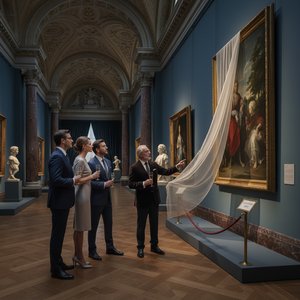
F.A.Q.: VIP Museum Tours – Exclusive Access & Tailored Experiences for Elite Collectors
offers elite collectors unparalleled access to private museum tours worldwide. Experience bespoke itineraries curated by art historians & seamless logistics for an unforgettable cultural journey.
List of Artworks




Subscribe to Our Newsletter
Stay updated with the latest art news, exclusive offers, and decoration ideas.
Get 3 Free Art Suggestions
Tell us about your project and our art experts will provide you with 3 personalized art suggestions.
Not Sure Where to Start?
Let Us Curate 3 Options Just for You - Free!