A Renaissance Reverie: The Enchanting World of Palazzo Schifanoia
In the heart of Ferrara, Italy, lies a portal into the opulent world of the Este family—a place where the boundaries between earthly power and celestial mystery dissolve. Palazzo Schifanoia is far more than a mere ducal residence; its very name, translating to “escape from boredom,” whispers of its original purpose as a sanctuary designed for pleasure, intellectual pursuit, and respite from the rigid duties of courtly life. Built initially in 1385 by Alberto V d’Este and later transformed into a magnificent seat of power under Borso d’Este, the palace stands as a breathtaking testament to the dawn of the Italian Renaissance. To step within its walls is to enter a realm where architecture, art, and the profound astrological fascinations of the 15th century converge to create an extraordinary sensory experience.
The true soul of the palace resides within the Salone dei Mesi , or Hall of the Months, a grand chamber that serves as a cosmic calendar rendered in pigment. Here, the masterful hands of Cosmè Tura and Francesco del Cossa worked around 1469-70 to weave a complex allegorical narrative that transcends simple seasonal depictions. The hall is structured into three horizontal bands of profound symbolic depth. At the summit, vibrant processions of gods associated with the zodiac preside over human affairs, creating a celestial spectacle of pagan deities. Below this divine layer, the middle band unfolds scenes of courtly life, subtly positioning the Este family within the grand design of the universe. The lowest band completes the cycle, revealing the signs of the Zodiac alongside elemental representations, reflecting the Renaissance belief in the interconnectedness of the macrocosm and the microcosm.
Masterpieces of the Ferrarese School
For the discerning art lover and collector, the frescoes within this palace offer an unparalleled journey through the heights of the Quattrocento. In works such as the Allegory of April , one can witness del Cossa’s unparalleled ability to imbue figures with both grace and psychological depth. This breathtaking fresco, completed in 1476, stands as a cornerstone of Ferrarese Renaissance art, acting as an immersive experience into the intellectual fervor and artistic innovation that defined the era. Tura’s dynamic compositions breathe life into the very air of the hall, presenting a vision of the world that is both grounded in reality and elevated by myth.
Beyond the celestial grandeur of the frescoes, the palace offers a rich tapestry of architectural and artistic layers that appeal to the historian and the decorator alike. The Sala delle Virtù (Hall of Virtues) provides a fascinating stylistic contrast, showcasing intricate stucco reliefs and painted ceilings that celebrate the Cardinal and Theological Virtues—Prudence, Justice, Fortitude, and Temperance. Designed by Domenico di Paris, this chamber served as an audience hall for Borso d’Este, projecting an image of virtuous governance through art. Throughout the palace, one can discover intimate glimpses of the Este lifestyle through:
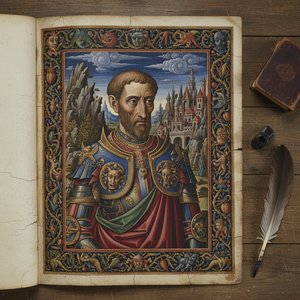
- Illuminated manuscripts that reflect the humanist scholarly pursuits of the court.
- Exquisite ceramics that showcase the refined aesthetic tastes of the era.
- Fine sculptures and architectural details, such as the terracotta cornice designed by Biagio Rossetti in 1493.
Today, Palazzo Schifanoia stands as a UNESCO World Heritage site, preserved through dedicated restoration to remain a beacon for art lovers across the globe. It is not merely a monument of static objects but a living testament to human creativity and humanist ideals, where history breathes and the splendor of a lost era continues to captivate the modern imagination.