Menu
FREE ART CONSULTATION

Palazzo Medici-Riccardi

Quick Facts

  • Movements:
    • baroque
    • baroque painting
    • early renaissance architecture
    • international gothic style
    • renaissance
  • Historical periods:
    • early modern
    • renaissance
  • Works on APS: 8
  • Alternate names:
    • Palazzo Medici-Riccardi
    • Palazzo Medici Riccardi
    • Medici Riccardi Palace
    • Palazzo Medici-Riccardi Museum
    • Palazzo Medici
  • More…
  • Art types:
    • other
    • wallart
  • Location: Florence, Italy
  • Mediums:
    • acrylic
    • acrylic on canvas
    • fresco
    • oil on canvas
  • Featured artists:
    • Luca Giordano
    • michelozzo di bartolomeo
    • Filippo di Tommaso Lippi
    • Benozzo Gozzoli

Art Quiz

There is only one correct answer for each question.

Question 1:
Who commissioned the Palazzo Medici Riccardi?
Question 2:
In what year did construction of the Palazzo Medici Riccardi begin?
Question 3:
What family acquired the palace in 1659, leading to renovations and a Baroque aesthetic?
Question 4:
Which artist created the frescoes in the Chapel of the Magi, depicting contemporary Florentines?
Question 5:
What unique architectural detail on the ground floor windows was designed by Michelangelo?
Question 6:
Luca Giordano is known for creating what within the Palazzo Medici Riccardi?
Question 7:
What is Palazzo Medici Riccardi currently used for?
Question 8:
What architectural style is prominently featured in the Palazzo Medici Riccardi?
Question 9:
Who was the architect responsible for the original design of the Palazzo Medici Riccardi?
Question 10:
What was Cosimo de' Medici’s approach to displaying wealth when building the Palazzo?

A Renaissance Echo: Palazzo Medici Riccardi

Florence breathes with the spirit of the Renaissance, and nowhere is that spirit more palpably felt than within the walls of the Palazzo Medici Riccardi. This isn't merely a museum; it’s a journey back in time, an immersion into the world of one of history’s most influential families, and a testament to the enduring power of art and architecture. Commissioned in 1444 by Cosimo de’ Medici, the palace stands as the first grand Florentine residence built by that dynasty—a deliberate statement of wealth, power, and cultural ambition. Before construction even began, Cosimo ensured a clean slate, clearing the site to create a structure wholly reflective of his vision, a departure from simply building upon existing foundations. This act itself speaks volumes about the Medici’s desire for innovation and control over their own narrative. The palace's exterior, with its robust rusticated masonry gradually giving way to more refined details on upper levels, embodies this ambition—a visual representation of rising status and sophistication. It is a masterful blend of classical Roman influences and the burgeoning Florentine style championed by Brunelleschi, yet distinctly Michelozzo’s own creation.

The Heart of Medici Power & Artistic Flourishing

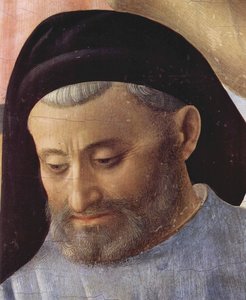
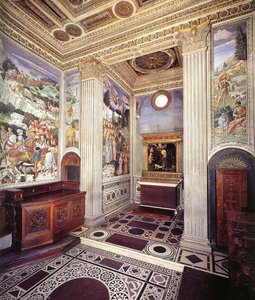
For generations, the Palazzo served as the principal residence of the Medici family, witnessing pivotal moments in Florentine history and becoming a hub for artistic patronage. Imagine Lorenzo de' Medici, “Il Magnifico,” walking these halls, surrounded by the intellectual and creative ferment that defined the era. The palace wasn’t simply a home; it was a stage for diplomacy, a salon for scholars, and a workshop for artists. Within its walls, masterpieces were conceived and created, leaving an indelible mark on the Renaissance landscape. Perhaps no space embodies this artistic legacy more profoundly than the Chapel of the Magi. Here, Benozzo Gozzoli’s frescoes explode with color and detail, depicting the procession of the Three Kings with a vibrant realism that captivates the eye. The figures are not merely representations; they are portraits of contemporary Florentines, including members of the Medici court, blurring the lines between sacred narrative and earthly power. Equally compelling is Filippo Lippi’s Madonna & Child , a work of delicate grace and profound religious feeling. Lippi's mastery lies in his ability to imbue his figures with a tender humanity, making the divine accessible and relatable. The palace became a crucible where artistic innovation flourished, nurtured by the Medici’s discerning eye and generous support.

A Transformation Through Time

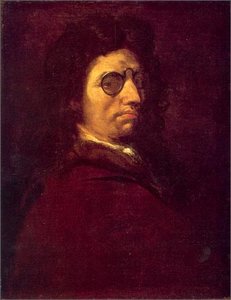
The story of Palazzo Medici Riccardi doesn’t end with the Medici family. In 1659, the palace passed into the hands of the Riccardi family, who brought their own distinct aesthetic to bear on its interiors. While maintaining the architectural integrity of Michelozzo's design, they embraced the Baroque style, commissioning Luca Giordano to create the breathtaking Apotheosis of the Medici in the Gallery. This magnificent fresco, a swirling composition of allegorical figures and vibrant colors, celebrates the glory of the Medici dynasty—a testament to their enduring legacy even after relinquishing direct control of Florence. The Riccardi’s renovations reflect a shift in taste, from the restrained elegance of the Renaissance to the opulent grandeur of the Baroque. This layering of styles adds another dimension to the palace's rich history, showcasing its ability to adapt and evolve over time. Today, the Palazzo also serves as the administrative seat of the Metropolitan City of Florence, seamlessly blending its historical significance with contemporary civic life.

Subtle Touches & Enduring Legacy

Beyond the grand frescoes and opulent galleries, it’s the subtle details that truly reveal the palace’s architectural genius. Look closely at the ground floor windows—those unique “kneeling windows” designed by Michelangelo himself. These aren’t merely functional openings; they are sculptural elements, with exaggerated scrolling consoles supporting the sills, framed within delicate pediments. This Mannerist touch adds a layer of sophistication and artistic flair to Michelozzo's original design, demonstrating how even later additions were carefully considered and integrated into the overall aesthetic. The tripartite elevation, dividing the building into stories of decreasing height, creates a sense of lightness and elegance that belies its imposing size. Every element—from the rusticated masonry to the refined stonework—contributes to a harmonious whole, showcasing the Renaissance ideal of balance and proportion. The Palazzo Medici Riccardi is more than just a beautiful building; it’s a symbol of Florence itself—a city that has consistently nurtured creativity, innovation, and artistic excellence. It stands as a reminder of the power of patronage, the enduring legacy of the Renaissance, and the importance of preserving our cultural heritage. To walk through its halls is to connect with centuries of history, to witness the birth of modern art, and to experience the magic of Florence in its purest form. The palace’s unique blend of architectural innovation, artistic treasures, and historical significance makes it an essential destination for anyone seeking a deeper understanding of this remarkable city and the world-changing era it helped define.