A Jewel of Genoa: Unveiling the Splendor of Palazzo Bianco
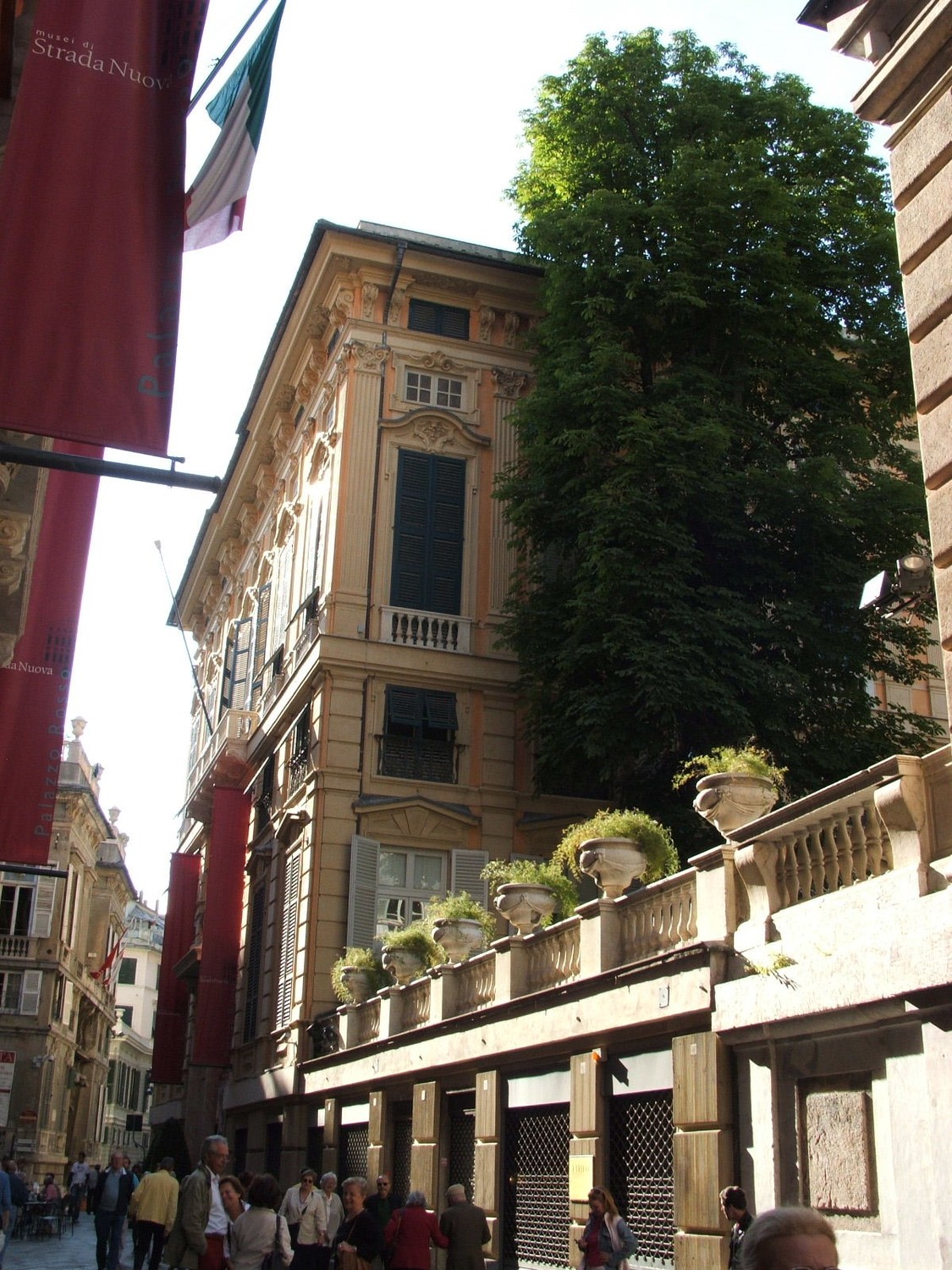
Nestled within the beating heart of Genoa's historic center, Palazzo Bianco stands as a breathtaking embodiment of Renaissance ambition and artistic patronage. More than just a repository for fine art, this magnificent structure offers an immersive journey through centuries of European history, housed within a palace that itself whispers tales of noble families and flourishing maritime commerce. Constructed between 1530 and 1540 for Luca Grimaldi, a member of one of Genoa’s most powerful dynasties, the building evolved over time into a magnificent structure that reflects the shifting tastes of successive owners like the De Franchi Toso and Durazzo Brignole-Sale families. The very façade is a captivating composition, alternating between the warm blush of pink stone, the cool slate grey, and the pristine white Carrara marble, hinting at the profound treasures held within its walls.
Stepping inside is akin to entering a vibrant dialogue between diverse artistic traditions. The museum boasts an exceptionally diverse collection, skillfully weaving together Flemish masters alongside celebrated Italian and Genoese artists. Here, the dramatic chiaroscroll of Caravaggio’s works—most notably his poignant Ecce Homo —captures the viewer with its raw emotional intensity, while nearby, the exuberant energy of Peter Paul Rubens bursts forth from canvases like Venus and Mars , exemplifying the Baroque period's dynamic spirit. But Palazzo Bianco does not solely focus on international giants; it also champions the artistic heritage of Genoa itself. The works of local painters such as Giovanni Benedetto Castiglione, Domenico Piola, and Alessandro Magnasco offer a unique window into the city’s cultural identity, revealing a distinct artistic voice shaped by its cosmopolitan atmosphere.
Architectural Harmony and Artistic Legacy
The architectural design of the palace is as compelling as the art it contains, offering a sequence of interconnected environments designed to maximize light and perspective. An elegant atrium leads to a grand staircase, which in turn opens onto an elevated courtyard, creating a sense of unfolding discovery that evokes the atmosphere of a lavish private home. For the interior designer or lover of classical beauty, the stucco decorations adorning the walls and ceilings—particularly those executed by Taddeo Cantone and Antonio Maria Muttone—add layers of ornate detail that enhance the palace’s opulent ambiance. This architectural harmony creates an unparalleled panorama of European painting spanning from the 12th to the 17th centuries, making every corner a masterclass in aesthetic grace.
The story of Palazzo Bianco is ultimately one of profound transformation, moving from a private family residence to a cherished public treasure. In 1899, Maria Brignole Sale, Duchess of Gallaira, bequeathed the palace and its remarkable collection to the Municipality of Genoa, fulfilling her vision of creating a civic museum that would enrich the city’s cultural landscape. Today, as part of the prestigious Strada Nuova Museums, Palazzo Bianco stands as a UNESCO World Heritage Site . It remains a unique cultural hub where Flemish precision meets Italian passion and Genoese ingenuity, offering a captivating journey through the heart of European artistic heritage—a true jewel waiting to be discovered.