

A Journey Through Faith and Art: Unveiling the Palazzo Apostolico
Nestled in the sun-drenched coastal town of Loreto Marches, Italy, the Palazzo Apostolico stands as a testament to centuries of devotion, artistic evolution, and a truly singular historical narrative. More than simply a museum, it’s a living embodiment of legend – the very site believed to house the original Holy House of Nazareth, miraculously transported by angels to this small Italian town. This profound connection to the sacred fuels an experience that transcends mere observation; it invites visitors on a pilgrimage through art, history, and faith, offering a glimpse into the heart of Christian tradition.
The palazzo’s story is inextricably linked with the legend surrounding the Holy House. Initially conceived as a protective sanctuary for this revered relic, its construction unfolded over centuries, reflecting the changing architectural styles and artistic sensibilities of each era. While precise details regarding the original architects remain somewhat elusive – historical records are fragmented – the building's design clearly prioritizes both safeguarding the sacred space and expressing the profound reverence it holds. The result is a structure that seamlessly blends Romanesque solidity with Renaissance elegance, creating a visual dialogue between strength and grace.
A Tapestry of Artistic Treasures
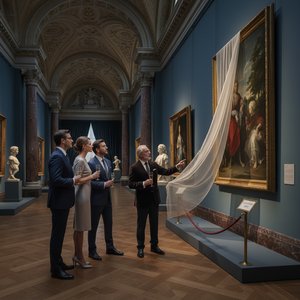
Within the Palazzo Apostolico’s thirty richly decorated rooms lies a captivating collection spanning diverse periods and artistic traditions. A significant portion of the museum's holdings centers around religious art, reflecting its core purpose as a center for devotion. Here, one encounters masterpieces directly linked to the veneration of the Santa Casa – intricate altarpieces depicting scenes from the life of Mary, exquisitely crafted devotional sculptures, and illuminated manuscripts brimming with biblical narratives. Beyond these central pieces, the collection boasts an impressive array of paintings by renowned Italian masters such as Lorenzo Lotto, Cesare Maccari, Pomarancio, and Annibale Carracci, each offering a window into the artistic landscape of their time.
Sculptures play a vital role in enriching the museum’s narrative, complementing the religious themes with powerful expressions of human emotion and spiritual contemplation. Exquisite tapestries, showcasing intricate designs and masterful craftsmanship, further contribute to the visual richness of the space. Adding depth to the historical context are antiquities – fragments of Roman life, medieval artifacts, and objects that illuminate the region’s rich past, providing a broader understanding of the cultural landscape within which the Holy House resides.
Architectural Splendor and Historical Layers
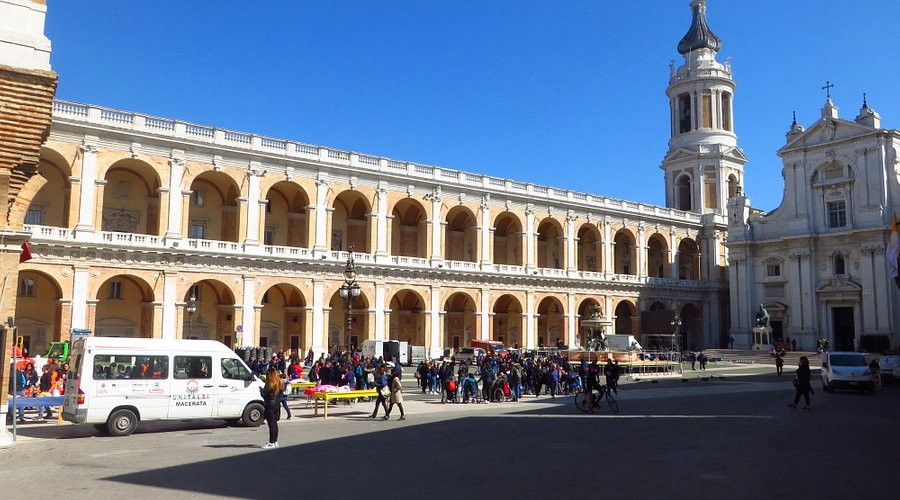
The Palazzo Apostolico is not merely a collection of artworks; it's a remarkable architectural achievement. Its design reflects an evolution over centuries, showcasing a fascinating blend of styles. The initial structure, built in the 16th century, embodies Renaissance symmetry with its graceful arches and loggia – a deliberate choice intended to frame the piazza and create a sense of reverence. Later additions and renovations incorporated elements from subsequent periods, resulting in a building that feels both ancient and timeless. Notably, the palazzo served as residence for governors, cardinals, and visiting dignitaries during the era of pilgrimage, adding layers of historical significance to its walls.
A Unique Pilgrimage Site
What truly distinguishes the Palazzo Apostolico is its inextricable connection to the Holy House of Loreto. This isn’t simply a museum; it's a living tradition – a place where faith and artistry converge, where pilgrims gather to experience a tangible link to the Virgin Mary’s life. The very air within the palace seems imbued with centuries of devotion, creating an atmosphere unlike any other. Visiting the Palazzo Apostolico offers not just an appreciation for Italian art but also a profound glimpse into the enduring power of legend and faith.
Plan Your Visit
Immerse yourself in the captivating history and artistic treasures of Loreto! The Palazzo Apostolico Museum is open from 10:00 AM to 1:00 PM and from 3:00 PM to 6:00 PM. Cost is €4. Address: Piazza della Madonna, Loreto Marches. Phone: +39 071 974 7198. Don’t miss the opportunity to experience this extraordinary landmark – a testament to faith, art, and the enduring power of legend.