A Beacon of Northern Splendor: The Palais des Beaux-Arts de Lille
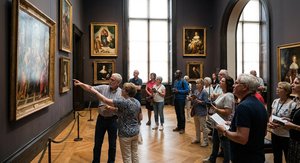
Nestled in the vibrant heart of Lille, the Palais des Beaux-Arts stands as a monumental testament to France’s enduring passion for cultural preservation and artistic excellence. This architectural jewel, a masterpiece of the Baroque Revival style, serves as much more than a mere repository for relics of the past; it is a living narrative of European heritage. Since its inception in 1809 under the visionary guidance of Napoleon I, the museum has sought to democratize the sublime, inviting the public to wander through corridors where history and beauty converge. The imposing façade, designed by Edouard Bérard and Fernand Etienne-Charles Delmas, commands the landscape with a sense of grandeur that prepares the visitor for the transformative journey awaiting within its expansive, light-filled interiors.
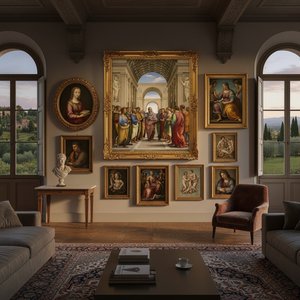
To step inside the Palais is to embark on an odyssey through the very soul of European art. The collection is a breathtaking tapestry of eras and movements, where the divine meets the dramatic. One might find themselves lost in the luminous brilliance of Raphael , whose Renaissance frescoes breathe life into the halls, or captivated by the muscular, sweeping grandeur of Rubens . The museum’s strength lies in its ability to juxtapose the profound stillness of Donatello’s marble sculptures with the turbulent, emotive shadows of Goya and the ethereal, color-drenched visions of El Greco . For the discerning collector or lover of fine detail, the transition from the meticulous craftsmanship of the Middle Ages to the fleeting, atmospheric light of Impressionist and Post-Impressionist works offers a continuous dialogue between tradition and modernity.
The history of this institution is inextricably linked to the transformative tides of the French Revolution. Born from the necessity to safeguard treasures confiscated from churches and conquered territories, the museum was established as a sanctuary for art during an era of profound political upheaval. This spirit of preservation has only deepened over the centuries, particularly through significant milestones such as the 1866 incorporation of the Musée Wicar collection, which added layers of local and regional richness to its global significance. Today, the museum continues to evolve through groundbreaking exhibitions that delve into specific artistic movements and immersive presentations of individual masters, ensuring that the Palais remains a dynamic participant in the contemporary art discourse.
What truly distinguishes the Palais des Beaux-Arts de Lille, however, is its unique ability to blend fine art with rare cartographic wonders. Beyond the canvases and sculptures, the museum houses an unparalleled collection of relief maps dating back to the 17th century. These meticulously crafted topographical marvels offer a tactile glimpse into historical geography, providing a fascinating counterpoint to the painted masterpieces. For interior designers seeking inspiration or historians tracing the evolution of human perception, this intersection of art and science creates an atmosphere of intellectual wonder. It is a place where every corner turned reveals a new layer of human achievement, making a visit not merely an aesthetic outing, but a profound pilgrimage into the annals of civilization.