The Oratory of San Bernardino: A Renaissance Revelation in Perugia
Nestled within the heart of Perugia, Italy, the Oratory of San Bernardino stands as a remarkably preserved testament to the artistic fervor and religious devotion of 15th-century Umbria. More than just a sacred space, it’s an immersive experience—a vibrant tableau of sculpted narrative, delicate painting, and architectural innovation that offers a profound glimpse into the evolving aesthetics of the Renaissance. Completed in 1452 and further embellished between 1457 and 1461, this relatively small oratory has become a cornerstone of Umbrian art history, largely due to its extraordinarily elaborate façade – a breathtaking display of polychrome relief that immediately captivates the eye.
The story begins with Saint Bernardino of Siena, a Franciscan preacher renowned for his powerful sermons and unwavering commitment to faith. Perugia, recognizing his profound influence, commissioned this oratory in his honor, intending it as a place of pilgrimage and reflection. The building’s design reflects the burgeoning humanist ideals of the era, blending traditional religious architecture with emerging Renaissance sensibilities. The structure itself is built upon the foundations of an earlier church, showcasing a deliberate layering of history and artistic styles. Its location adjacent to the Basilica of San Francesco further reinforces its significance within the city's spiritual landscape.
A Facade Like No Other: Agostino di Duccio’s Masterpiece
The most immediately arresting feature of the Oratory is undoubtedly its façade, a monumental achievement in relief sculpture. Agostino di Duccio, a master sculptor of his time, undertook this ambitious project, transforming the entire exterior into a dynamic and intricately detailed narrative. The reliefs depict key moments from the life of Saint Bernardino – his birth, his early religious experiences, his preaching journeys, and ultimately, his death and ascension. What sets this façade apart is not merely its scale but also the remarkable level of realism and emotional depth conveyed through each figure. The use of color—a vibrant palette of reds, blues, greens, and golds—further enhances the visual impact, creating a truly immersive experience for the viewer. The sheer ambition of covering an entire building with such elaborate sculpture was unprecedented at the time, establishing the Oratory as a landmark example of Renaissance architectural expression.
Treasures Within: Paintings and Sculptural Highlights
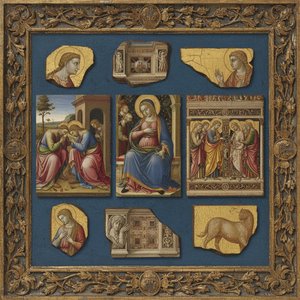
Beyond its exterior splendor, the Oratory houses a carefully curated collection of 15th-century Umbrian art. The centerpiece is undoubtedly ‘Standard of San Francesco al prato’ by Benedetto Bonfigli, a panel painting that exemplifies the region's distinctive artistic style—characterized by its serene spirituality and meticulous detail. The work captures the essence of Saint Francis, radiating an aura of piety and humility. Within the oratory’s walls, one can also admire various religious sculptures, each imbued with a sense of devotional power. These pieces offer valuable insights into the prevailing artistic trends and the spiritual practices of the period.
A Legacy of Faith and Art
The Oratory of San Bernardino is more than just a beautiful building; it’s a tangible link to Perugia's rich cultural heritage. It represents a pivotal moment in the transition from Gothic to Renaissance art, showcasing the innovative spirit and artistic skill of the era. The combination of architectural design and sculptural artistry creates an immersive experience for visitors interested in art history and Italian culture. Furthermore, the Oratory’s relatively small size allows for intimate viewing of its remarkable collection, offering a focused and enriching cultural experience—a welcome contrast to larger, more overwhelming museums.
Further Exploration: Connecting to the Wider Artistic World
To deepen your understanding of this remarkable oratory, consider exploring Lorenzo Lotto's ‘San Bernardino Altarpiece’ (1521), a masterpiece that shares many stylistic similarities with the Oratory’s façade. The altarpiece’s use of light, realism, and symbolism provides valuable context for appreciating the artistic choices made by Agostino di Duccio. Additionally, researching the history of Perugia itself—its Etruscan roots, its role in medieval conflicts, and its subsequent rise as a cultural center—will enrich your appreciation of the Oratory’s place within the city's broader narrative.