

Table of Contents
Quick Facts
- Works on APS: 4
- Art types: wallart
- Mediums: acrylic on canvas
- Alternate names:
- Landesmuseum Oldenburg
- State Museum for Art and Cultural History
- State Museum Oldenburg
- Landesmuseum für Kunst und Kulturgeschichte
- More…
- Location: Oldenburg, Germany
- Movements:
- expressionism
- new objectivity
- Featured artists:
- Lovis Corinth
- Jan Asselijn
- Felix Nussbaum
- Joos van Cleve
Art Quiz
There is only one correct answer for each question.
Question 1:
What is the Niedersächsisches Landesmuseum Für Kunst Und Kulturgeschichte Oldenburg primarily known for?
Question 2:
Which architectural landmark serves as the backdrop for exhibits at the Niedersächsisches Landesmuseum Für Kunst Und Kulturgeschichte Oldenburg?
Question 3:
The museum’s collection includes significant holdings of Expressionist art, characterized by:
Question 4:
What distinguishes the Niedersächsisches Landesmuseum Für Kunst Und Kulturgeschichte Oldenburg from other museums?
Question 5:
The museum’s collection highlights the artistic legacy of Tischbein family, who were renowned for:
Exhibited Artists

Lovis Corinth
Explore the art of Lovis Corinth (1858-1925), a German painter bridging Impressionism & Expressionism. Known for portraits, landscapes, and raw depictions of life – including 'In the Slaughter House'. Discover his legacy as a Berlin Secession preside


Jan Asselijn
Jan Asselijn (1610-1652): Dutch Golden Age painter of Italianate landscapes, animal scenes & dramatic works like 'The Threatened Swan'. Influenced by Van de Velde & Rembrandt.

Felix Nussbaum
Felix Nussbaum (1904-1944) was a German-Jewish Surrealist painter whose haunting works offer a poignant glimpse into life, exile & loss during the Holocaust. Explore his New Objectivity style and powerful self-portraits.
Related Articles
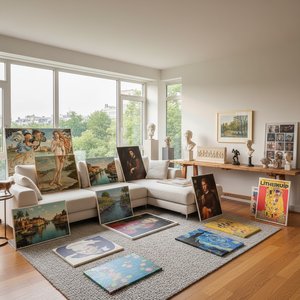
Staatliche Museen Berlin: 25 Masterpieces for Your Home | OriginalUniqueArt
Journey through 25 iconic artworks at Staatliche Museen Berlin! Explore Nefertiti, Pergamon Altar & masterpieces of German art history. Find museum-quality reproductions & curated decor ideas to bring timeless beauty home. Discover all masterpieces on OriginalUniqueArt.com.
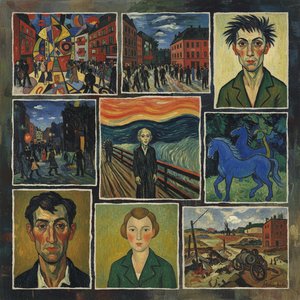
Expressionist Painting: 10 Masterpieces That Defined a Movement | OriginalUniqueArt
Explore 10 Expressionist paintings that revolutionized art! Discover Munch, Kirchner & Kandinsky's iconic works. Find museum-quality reproductions and vibrant canvas prints to elevate your home decor on OriginalUniqueArt.com.
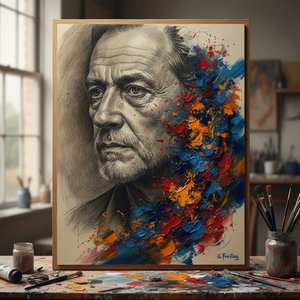
Gazmend Freitag: Contemporary Realism & Emotional Depth in Abstract Expressionist Veins
Explore the captivating contemporary realism of Gazmend Freitag, a Kosovo-born artist blending expressive figuration with Abstract Expressionist influences. Discover his evocative paintings and learn about investing in this rising star.
List of Artworks




Subscribe to Our Newsletter
Stay updated with the latest art news, exclusive offers, and decoration ideas.
Get 3 Free Art Suggestions
Tell us about your project and our art experts will provide you with 3 personalized art suggestions.
Not Sure Where to Start?
Let Us Curate 3 Options Just for You - Free!