
A Georgian Reverie: The Architectural Grandeur of Dunham Massey
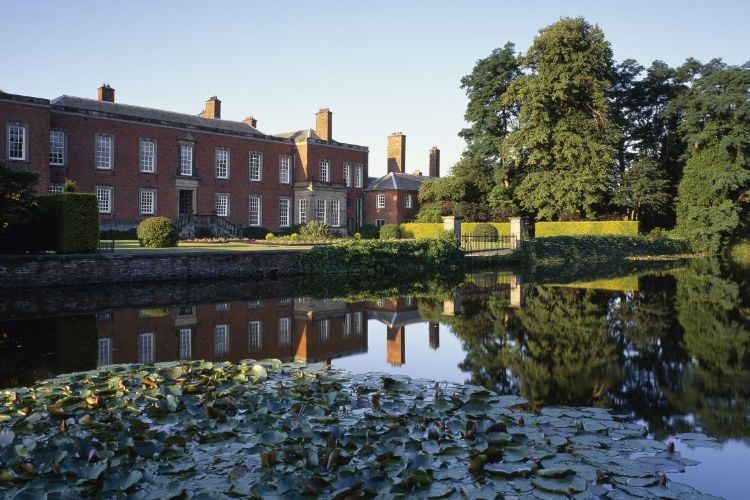
Standing as a majestic sentinel within the verdant landscapes of Cheshire, Dunham Massey Hall is far more than a mere stately home; it is a profound immersion into the elegance and ambition of the Georgian era. Constructed in 1764 by George Harry Grey, the hall serves as a physical manifestation of refined taste and architectural aspiration. As one approaches the estate, the structure reveals itself not just as a residence, but as a canvas upon which history has been meticulously painted. The architecture embodies a pivotal moment in British history, where the solidity of stone meets the grace of classical design, creating an atmosphere of enduring prestige that captivates the modern observer.
The hall’s narrative is one of resilience and transformation, having transitioned from a symbol of aristocratic splendor to a place of profound service. During the harrowing years of World War I, the estate shed its purely ornamental role to serve as the Stamford Military Hospital, a poignant chapter that adds a layer of soulful depth to its grand facades. This ability to adapt—to move from the opulence of the 18th century to the necessity of wartime survival—imbues the very walls of Dunham Massey with a sense of living history, making it an essential destination for those who seek to understand the intersection of private luxury and public duty.
The Dreamscape of Carl Laubin: Artistry Beyond Reality
Within the hallowed rooms of the hall, the collection transcends traditional topography through the whimsical genius of Carl Laubin. His celebrated works, such as National Trust Grottesca and Capriccio of Buildings Belonging to the National Trust , offer a breathtaking departure from mere documentation. Laubin was a master of the capriccio , an artistic style that invites the viewer into a world where reality and fantasy dance in perfect harmony. Rather than striving for the sterile precision of photography, Laubin utilized light and imaginative embellishment to transform familiar architectural features into ethereal illusions.
In his hands, a simple gazebo or a cascading waterfall becomes part of a dreamlike composition, bathed in an otherworldly glow that stirs the imagination of collectors and art enthusiasts alike. These paintings do not merely depict buildings; they evoke a mood, a sense of nostalgia, and a longing for a romanticized past. For the interior designer or the lover of fine art, Laubin’s ability to elevate the commonplace into the extraordinary provides a masterclass in how color and composition can manipulate perception, turning a static image into a window onto a magical, reimagined world.
A Legacy of Patronage and Natural Harmony
The artistic soul of Dunham Massey has been nurtured by generations of visionary custodians, most notably Lord Kenyon, whose profound influence on British art patronage cannot be overstated. As a leader in the Clwyd Fine Arts Trust and a trustee of the National Portrait Gallery, his commitment to preserving cultural heritage ensured that the hall remained a vibrant repository for significant works. This spirit of stewardship extends beyond the gallery walls and into the very earth of the estate. The gardens, shaped by the influential hand of Edward Kemp, represent a masterful transition from the rigid, formal geometric layouts of the past to a more naturalistic, romantic landscape.
This seamless blend of man-made artistry and environmental stewardship creates a holistic experience where the architecture, the curated collections, and the surrounding flora exist in a continuous dialogue. Through thoughtfully curated exhibitions ranging from Georgian portraiture to the Romantic fascination with landscapes, the National Trust continues to foster a deep engagement with the hall's multifaceted heritage. Dunham Massey remains a unique sanctuary of inspiration, offering a timeless beauty that resonates with the intellectual curiosity of the modern age and provides an enduring legacy for all who wander its historic halls.