

Quick Facts
- Movements:
- contemporary
- contemporary realism
- Featured artists:
- vasyl hryhorovych krychevsky
- ivan ravych
- Ivan Osipovich Yarkovsky
- максим никифорович воробьёв
- Heorhiy Narbut
- Art types: wallart
- More…
- Location: Kiev, Ukraine
- Works on APS: 25
- Mediums: acrylic on canvas
Art Quiz
There is only one correct answer for each question.
Question 1:
What is the primary focus of the National Museum of the History of Ukraine?
Question 2:
According to the description, when was the museum initially established?
Question 3:
What architectural style characterizes the museum building?
Question 4:
The museum’s collection highlights which historical periods?
Question 5:
What is a prominent feature of the museum’s collection related to the 20th century?
Exhibited Artists

vasyl hryhorovych krychevsky
Explore the art of Vasyl Krychevsky – Ukrainian painter, architect & designer! Discover his iconic coat of arms, banknotes & influential works from 1872-1952.


ivan ravych
Ivan Ravych (1677-1762) was a renowned Kyiv jeweler from Russia, celebrated for his exquisite Ukrainian jewelry craftsmanship. Explore his significant contributions to the art form and discover examples of his chalices, teapots & bowls.

Ivan Osipovich Yarkovsky
Discover Ivan Osipovich Yarkovsky: Engineer & painter whose work sparked the Yarkovsky effect! Explore his art, scientific legacy & unique perspective.
Related Articles
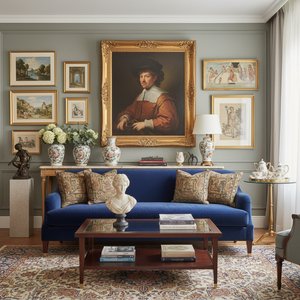
Hermitage Masterpieces: 25 Art Treasures to Inspire Your Home Decor
Journey through the Hermitage Museum's 25 greatest artworks! Explore masterpieces by Rembrandt, Leonardo da Vinci & Vermeer. Find museum-quality art reproductions and curated decor ideas to bring timeless beauty home. Discover all masterpieces on OriginalUniqueArt.com.
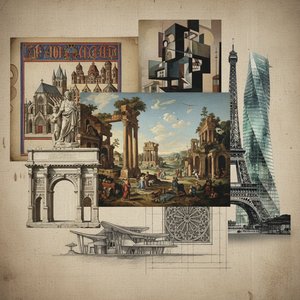
The Enduring Legacy of Architecture in Art: A Historical Survey of Representation & Meaning
Explore the rich history of architecture in art, from Renaissance theory to 19th-century reconstructions. Discover key artists & movements shaping visual representation – a guide for discerning collectors.

Echoes of Heritage: Continuity & Innovation in Traditional Art Forms
Explore the rich history of cultural heritage & folk art traditions worldwide! Discover inspiring artists, preservation efforts, and museum collections. Find handmade oil paintings & expert insights at OriginalUniqueArt.
List of Artworks






Subscribe to Our Newsletter
Stay updated with the latest art news, exclusive offers, and decoration ideas.
Get 3 Free Art Suggestions
Tell us about your project and our art experts will provide you with 3 personalized art suggestions.
Not Sure Where to Start?
Let Us Curate 3 Options Just for You - Free!