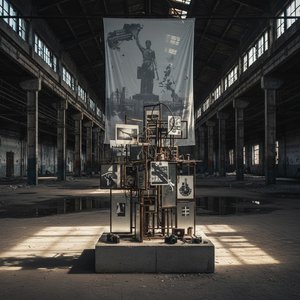
A Legacy of Artistic Exploration: The National Museum of African Art
The National Museum of African Art stands as a singular beacon in Washington, D.C., representing not merely an impressive collection but a profound commitment to preserving and disseminating the artistic heritage of Africa—a continent brimming with unparalleled creativity spanning millennia. Established in 1964 by Warren M. Robbins, fueled by his initial acquisition of remarkable artworks from Hamburg antique shops, the museum’s genesis was rooted in a desire to foster intercultural understanding and celebrate Black cultural identity. Joining the Smithsonian Institution in 1979 solidified its position as a national treasure and ensured sustained federal support—a crucial factor in its evolution into the largest repository of African art in the United States.
-
Extensive Collection:
Over 9,000 pieces illuminate the breadth of Sub-Saharan and North African artistic traditions. From intricately carved sculptures depicting ancestral spirits to vibrant textiles woven with symbolic patterns reflecting social rituals, each artwork tells a story of cultural history.
-
Notable Artworks:
Among its treasures are masks embodying deities and spirits—powerful symbols of belief and ritual—and monumental sculptures commemorating historical figures and events. These pieces exemplify exceptional craftsmanship and artistic vision.
Architectural Innovation: Embracing the Underground Landscape
The museum’s design is equally noteworthy, prioritizing exhibition space while maintaining a subtle presence on the National Mall. Completed in 1987, its predominantly underground structure seamlessly integrates with the surrounding landscape—a deliberate choice reflecting Robbins's belief that art should be experienced without distraction and allowing the artworks themselves to command attention. This architectural approach underscores the museum’s dedication to scholarly rigor and aesthetic contemplation.
-
Founding Vision:
Warren M. Robbins envisioned a space where traditional African art could inspire dialogue and promote cultural awareness.
-
Smithsonian Partnership:
The collaboration with the Smithsonian Institution ensured long-term stability and bolstered the museum’s mission to educate future generations about African artistic achievements.
A Pioneering Role in Contemporary Art
Recognizing the importance of engaging younger audiences, the museum actively champions contemporary African artists—highlighting current trends and addressing pressing social issues. Exhibitions showcase innovative approaches to artmaking while fostering critical reflection on cultural identity and global interconnectedness. This commitment to dynamism distinguishes NMAfA from many other institutions dedicated to preserving artistic heritage.
-
Focus on Craftsmanship:
The museum’s curators emphasize the meticulous techniques employed by African artisans—demonstrating a deep appreciation for aesthetic value and cultural tradition.
Beyond Display: Shaping Cultural Dialogue
The National Museum of African Art's impact extends far beyond its walls, serving as a catalyst for intercultural exchange and fostering understanding between cultures. Its enduring legacy rests on its unwavering dedication to preserving African artistic heritage—a mission that continues to inspire scholars, artists, and visitors alike. As a cornerstone of Washington D.C.’s cultural landscape, it remains an indispensable destination for anyone seeking to immerse themselves in the captivating beauty and profound significance of African art.