
Table of Contents
Quick Facts
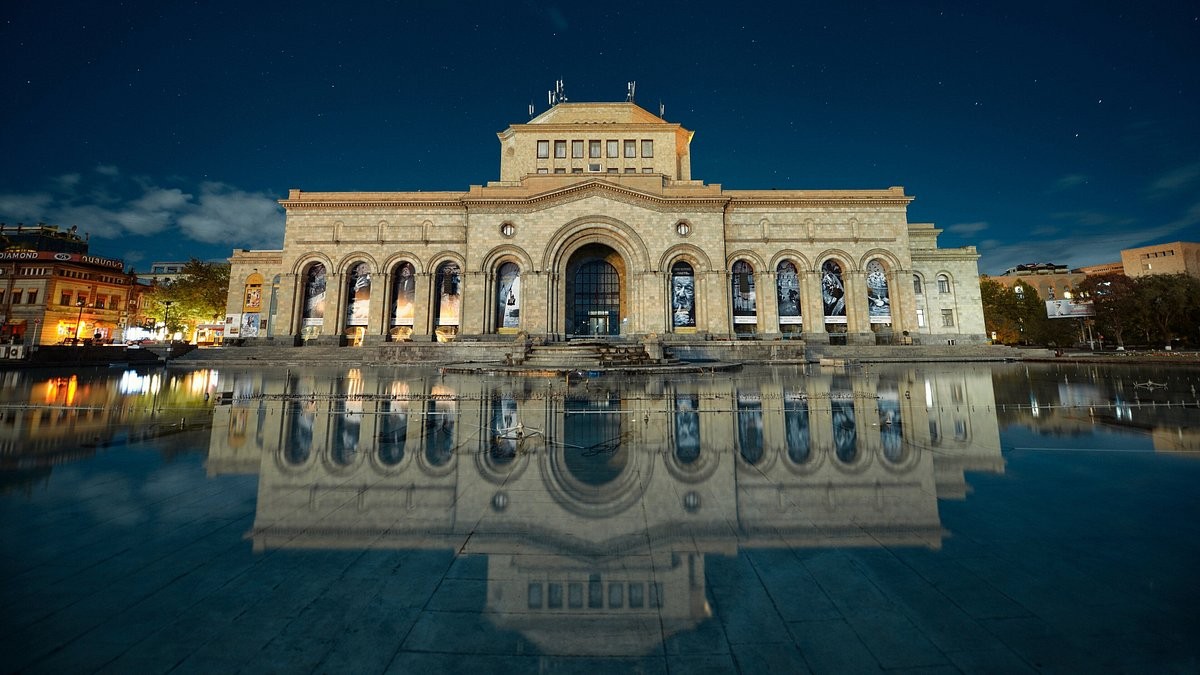
- Location: Yerevan, Armenia
- Works on APS: 3
- Art types:
- other
- wallart
- Movements:
- impressionism
- russian symbolism
- More…
- Historical periods: 19th century
- Mediums:
- acrylic
- acrylic on canvas
- tempera
- Featured artists:
- Isaak Ilyich Levitan
- Boris Mikhailovich Kustodiev
- Valentin Alexandrovich Serov
- Alternate names:
- Հայաստանի ազգային պատկերասրահ
- National Gallery of Armenia
- NGA Armenia
- State Picture Gallery
Art Quiz
There is only one correct answer for each question.
Question 1:
What is the National Gallery of Armenia primarily known for?
Question 2:
Which artistic style is prominently represented in the Gallery's Armenian Art collection?
Question 3:
Ivan Aivazovsky, a celebrated Russian painter of Armenian descent, contributed significantly to the Gallery's collection by creating:
Question 4:
The Gallery’s decorative arts collection includes ceramics and porcelain originating from countries such as:
Question 5:
What distinguishes the National Gallery of Armenia from other art museums globally?
Exhibited Artists

Isaak Ilyich Levitan
Discover Isaac Levitan's (1860-1900) evocative Russian landscapes & 'moodscapes.' Explore masterpieces like Autumn Day & Spring Flood, capturing the soul of Russia.


Boris Mikhailovich Kustodiev
Boris Kustodiev (1878-1927) was a renowned Russian painter celebrated for his vibrant depictions of Russian life, merchant culture, and genre scenes. Explore his colorful realism & stage designs!

Valentin Alexandrovich Serov
Valentin Serov (1865-1911) was a leading Russian portraitist renowned for his realistic depictions, psychological insight & Impressionistic style. Explore iconic works like 'Girl with Peaches' and portraits of Russia’s elite.
Related Articles

F.A.Q.: Family Portrait Paintings - A Guide for Elite Collectors
Transform cherished family memories into timeless masterpieces with . Expert artists create bespoke oil portraits & reproductions for elite collectors. Discover unparalleled quality, personalized service & lasting value.
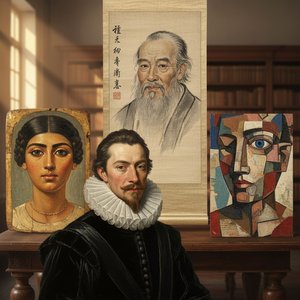
The Enduring Gaze: A Historical & Artistic Exploration of Portrait Painting Across Cultures
Explore the rich history of portrait painting with expert insights into Renaissance masterpieces & modern innovations. Discover artists, movements & commission a custom oil painting at OriginalUniqueArt.
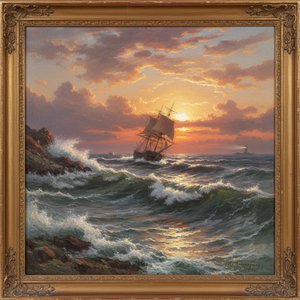
Ivan Aivazovsky: Mastering Light & Emotion in 19th-Century Marine Painting
Explore the captivating world of Ivan Aivazovsky, a master of 19th-century marine painting. Discover his techniques, iconic artworks & lasting legacy in this expert guide.
List of Artworks




Subscribe to Our Newsletter
Stay updated with the latest art news, exclusive offers, and decoration ideas.
Get 3 Free Art Suggestions
Tell us about your project and our art experts will provide you with 3 personalized art suggestions.
Not Sure Where to Start?
Let Us Curate 3 Options Just for You - Free!