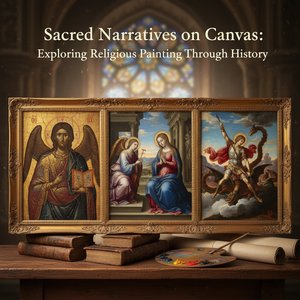
A Window into Medieval Faith: Exploring the Legacy of Prato’s Museum of Mural Painting
The Museum of Mural Painting in Prato, Italy—a name now synonymous with its successor, the Prato Cathedral Museum—represents more than just a repository of artistic treasures; it embodies the spirit of a bygone era and the enduring power of religious devotion. Though its original home within San Domenico has faded into memory, the museum’s influence persists through the magnificent artworks that grace the cathedral’s halls, offering visitors an unparalleled opportunity to delve into the artistic landscape of Tuscany during the 13th and 15th centuries.
-
Frescoes:
The museum's core strength resided in its breathtaking collection of frescoes—a testament to the meticulous craftsmanship and profound symbolism characteristic of medieval art. These canvases transported viewers into sacred narratives, depicting biblical scenes with vibrant colors and intricate detail, reflecting the artistic sensibilities of Giotto’s school and establishing Prato as a beacon of artistic innovation.
-
Religious Art Beyond Frescoes:
Extending beyond monumental murals were sculptures and liturgical objects—each imbued with spiritual significance. The museum showcased Donatello reliefs from the pulpit, demonstrating the sculptor's pioneering use of perspective and embodying the humanist ideals emerging during the Renaissance, alongside chalices and illuminated manuscripts that documented the rituals and beliefs of the time.
The Building That Speaks Volumes
Constructed in the 13th century, San Domenico served as both a cathedral and the nucleus for the museum’s initial incarnation. Its soaring arches and ribbed vaults—typical features of Gothic architecture—created an atmosphere conducive to contemplation and reverence. Visitors could trace the evolution of architectural styles from Romanesque to Gothic, gaining insight into the artistic sensibilities of successive generations.
-
Expansion & Relocation:
Recognizing the importance of preserving cultural heritage, a significant expansion occurred in 1976 when items from Saint Stephen’s Cathedral and the diocesan territory were incorporated into the museum's holdings. Subsequent reorganization efforts culminated in 2007, prompting the relocation of many artworks to the Prato Cathedral Museum—a strategic move designed to maximize accessibility and ensure continued appreciation for these irreplaceable treasures.
Notable Exhibitions & Artistic Significance
Throughout its history, the Museum of Mural Painting hosted exhibitions that captivated audiences and fostered scholarly debate. These events illuminated lesser-known masterpieces alongside celebrated works like “Madonna del Parto,” attributed to Giotto’s school—a poignant depiction of Mary holding the infant Jesus—further cementing Prato's reputation as a cradle of artistic excellence.
-
A Singular Focus:
What truly distinguished this museum was its unwavering dedication to mural painting. Unlike broader art institutions, it allowed for an immersive exploration of this distinctive medium—its techniques, stylistic conventions, and theological implications—providing invaluable insights into the artistic and intellectual currents shaping medieval Europe.
The Enduring Legacy: Prato Cathedral Museum Today
Though the original museum building stands silent, its legacy lives on within the Prato Cathedral Museum. Visitors can now experience firsthand the beauty and grandeur of these artworks, appreciating their contribution to the region’s artistic heritage and recognizing that the spirit of Prato’s Museum of Mural Painting—its commitment to preserving sacred art and fostering scholarly understanding—continues to inspire.