A Window into Lübeck’s Artistic Soul: Exploring the Museum für Kunst und Kulturgeschichte der Hanestadtd Lubeck
Lübeck, nestled in the Baltic Sea region of Germany, possesses a singular charm – a palpable sense of history woven into its very stones. And at the heart of this captivating city lies the Museum für Kunst und Kulturgeschichte der Hanestadtd Lubeck (Museum for Art and Culture History of the Hanseatic City of Lübeck), an institution dedicated to preserving and presenting the artistic legacy inextricably linked to Lübeck’s illustrious past as a dominant force in European trade. More than just a repository of artworks, it offers visitors a profound encounter with the spirit of a bygone era.
-
Medieval Marvels: Sculptural Expressions of Faith
-
The Memling Legacy: Altarpieces That Speak Volumes
-
A Tapestry of German Art Across Centuries
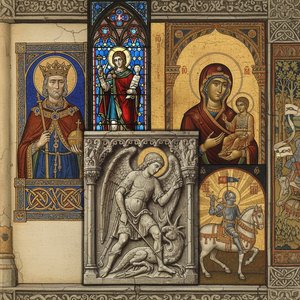
The museum’s collection shines brightest in its dedication to medieval art, showcasing sculptures that embody the artistic sensibilities and religious convictions of their time. These pieces aren't merely decorative; they are visual narratives conveying profound spiritual truths—a testament to Lübeck’s role as a cradle of Christian devotion during the Middle Ages. Careful observation reveals intricate detailing and masterful craftsmanship, reflecting the skill of artists striving to capture divine beauty.
Perhaps no artwork embodies this ethos more powerfully than Hans Memling's altarpieces housed within the museum’s walls. These monumental creations represent arguably the pinnacle of Burgundian Renaissance art in Northern Europe. Each panel is a symphony of color and texture, meticulously rendered with painstaking precision—a breathtaking demonstration of artistic technique and humanist ideals. The symbolism embedded within these altarpieces speaks to themes of piety, redemption, and the human aspiration for transcendence.
Beyond its exceptional sculptural collection and Memling’s masterpieces, Lübeck's museum delves into a broader panorama of German art history. From Gothic grandeur to Baroque splendor, spanning centuries of artistic innovation, visitors can trace the evolution of German aesthetic sensibilities. Exhibitions regularly illuminate lesser-known artists and movements, enriching our understanding of the cultural landscape that shaped Lübeck’s identity.
Architectural Resonance: A Building Rooted in History
Situated within Lübeck's UNESCO World Heritage Site – a testament to its enduring architectural heritage – the museum itself reflects the stylistic influences prevalent during its construction. Its façade harkens back to the grandeur of medieval Lübeck, mirroring the city’s commitment to preserving its historic character. The building’s interior spaces are thoughtfully designed to complement the artworks displayed, fostering an immersive experience for visitors eager to connect with artistic history.
Ultimately, what distinguishes the Museum für Kunst und Kulturgeschichte der Hanestadtd Lubeck is its unwavering focus on conveying Lübeck's unique cultural heritage—a heritage shaped by centuries of maritime trade and artistic patronage. It’s a place where art transcends mere visual appreciation; it becomes a conduit for understanding the complexities of Lübeck’s past, informing our perception of its present and inspiring contemplation about its future.