A Lost Jewel of Winterthur: The Legacy of Museum Briner und Kern
In the heart of Winterthur, Switzerland, there once existed a sanctuary of specialized beauty known as the Museum Briner und Kern. Though its doors have permanently closed to the public, the museum remains a poignant chapter in the annals of European art history, representing a singular vision of preservation that sought to bridge the gap between Northern European mastery and Swiss cultural identity. It was not merely a gallery but a curated dialogue between eras, where the dramatic shadows of the Dutch Golden Age met the delicate precision of Swiss portraiture. For the discerning collector or lover of fine detail, the museum’s memory evokes a wonderful sense of intimacy—a place where art was not presented in overwhelming breadth, but with a profound, concentrated depth that invited quiet contemplation.
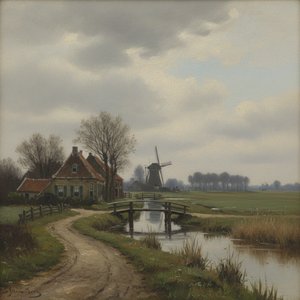
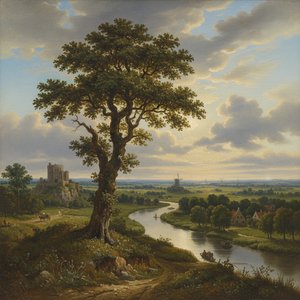
The soul of the collection resided in its breathtaking mastery of the Dutch Old Masters. Visitors were transported to the seventeenth century through works characterized by the chiaroscuro technique, where light and shadow dance across the canvas to reveal the fleeting nature of existence. The museum held treasures that embodied the essence of Vanitas —reminders of mortality wrapped in opulent textures. From the meticulous genre scenes of Pieter de Hooch and Adriaen van Ostade to the atmospheric landscapes of Jacob van Ruisdael, each piece offered a window into a world of remarkable realism and psychological complexity. These paintings, with their ability to transform everyday domesticity into something profound, provided an unparalleled experience for those seeking the quiet brilliance of the Baroque aesthetic.
Miniature Marvels and Swiss Identity
Beyond the grand canvases of the Dutch masters, the Museum Briner und Kern held a most distinctive and enchanting treasure: an extraordinary assemblage of miniature paintings. These diminutive marvels, often executed on ivory or tortoiseshell, demanded an almost superhuman level of precision from their creators. To gaze upon them was to witness the triumph of skill over scale, as tiny mythological narratives and intimate portraits unfolded with astonishing clarity. This fascination with the minute was complemented by a dedicated focus on Swiss art from the 18th and 19th centuries.
Through works by artists such as Johann Christian Zellner, the museum celebrated the evolution of a national identity, weaving together themes of Alpine landscapes and classical portraiture that reflected the changing spirit of the Swiss landscape. The collection was a vital repository for the bequests of Jakob Briner and Emil Kern, creating an environment where scholars could engage deeply with niche historical narratives. While the institution faced the weight of financial sustainability and eventually closed in late 2014, its artistic spirit persists through its legacy:
- The Dutch Golden Age: A profound collection featuring masters such as Rembrandt, Pieter Claesz, Jan Both, and Samuel van Hoogstraten.
- Miniature Artistry: An unparalleled collection of tiny, detailed works on precious materials like ivory.
- Swiss Heritage: A celebration of 18th and 19th-century Swiss landscapes and portraiture.
Today, the memory of this institution remains a testament to the power of focused curation. While many of its precious holdings have found new homes—some temporarily residing within the esteemed Oskar Reinhart Museum—the essence of the Briner and Kern collections continues to inspire those who find beauty in the meticulous and the profound.