A Silent Symphony of Renaissance Splendor: Museo di San Salvi
Nestled within the heart of Florence, Museo di San Salvi stands as a testament to artistic devotion and architectural grace—a sanctuary for those seeking an authentic encounter with the glories of the High Renaissance. More than just a museum, it’s a journey back in time, into the serene walls of what was once a vibrant Vallombrosan abbey, now meticulously preserved to showcase its extraordinary treasures.
-
Historical Roots:
Founded in the 11th century by Benedictine monks, San Salvi’s story began as a place of prayer and scholarship. However, it endured significant upheaval during the tumultuous Siege of Florence in 1529, where its original structure suffered considerable damage. Remarkably, the church retained its distinctive Latin-cross design and rectangular apse—a deliberate choice reflecting the spiritual ethos of its founders.
-
Architectural Marvel:
The building’s façade is adorned with a striking portico designed by Giovanni Battista Sant'Ambrogio, adding an elegant counterbalance to the solemn interior. Its walls are clad in Tuscan marble, contributing to the museum’s tranquil atmosphere and providing a stunning backdrop for its artistic masterpieces.
The Heartbeat of Florentine Art: Andrea del Sarto’s Last Supper
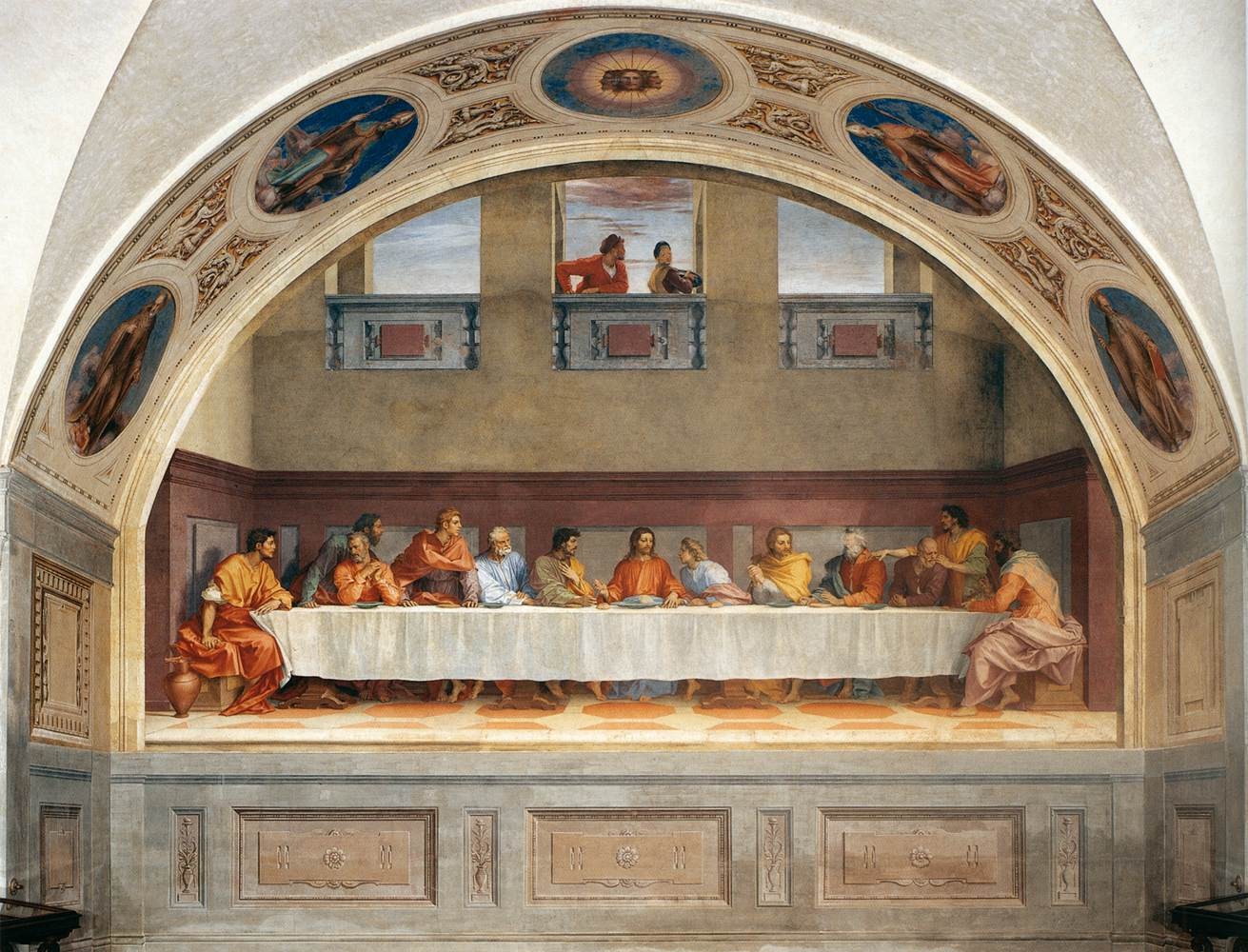
The Museo di San Salvi's centerpiece is undeniably Andrea del Sarto’s monumental fresco, *The Last Supper*, completed between 1519 and 1527. This ambitious undertaking captures the pivotal moment recounted in Holy Scripture—Jesus sharing his final meal with his disciples—and exemplifies Sarto’s unparalleled mastery of perspective, composition, and psychological realism. The fresco's vibrant colors and masterful depiction of human emotion continue to inspire awe and admiration centuries later. As highlighted in
offers more information about this remarkable museum.