A Sanctuary of Florentine Renaissance
Florence breathes art; it isn’t merely displayed here, but permeates the very stones of the city. While the Uffizi and Accademia rightly draw crowds, a quieter, more contemplative journey awaits within the Museo dell'Opera di Santa Croce . Nestled directly within the Basilica di Santa Croce—a monument itself to Franciscan ideals and the final resting place for giants like Michelangelo, Galileo, and Machiavelli—the museum isn’t simply a repository of masterpieces; it is an immersion into the creative soul of Florence during its most incandescent period. To cross its threshold is to step back in time, to witness firsthand the blossoming of artistic innovation that defined an era, all within spaces originally designed for communal life and spiritual contemplation. The Basilica's enduring presence imbues every artwork with a palpable sense of history, a weight of intellectual legacy that resonates deeply with those who seek more than just aesthetic pleasure.
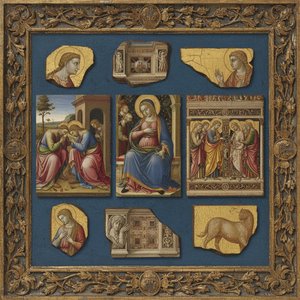
The heart of the Museo dell'Opera beats with the names of Giotto di Bondone and Cimabue . Cimabue’s Crucifix , a monumental work from the 13th century, dominates the space not through sheer size alone, but through its raw emotional power. It represents a pivotal moment in Italian art—a decisive break from the stylized conventions of Byzantine tradition toward a more naturalistic depiction of human suffering. The figure on the cross isn't merely an icon; it is a man enduring agony, and Cimabue's innovative approach to conveying this emotion forever altered the course of painting. But it is Giotto who truly captivates within these walls. The museum safeguards fragments—tragically incomplete due to historical damage and restoration efforts—of his breathtaking fresco cycle depicting the Life of St. Francis , originally painted in the Bardi Chapel. These aren’t illustrations; they are vibrant narratives brought to life with a revolutionary sense of depth, perspective, and profoundly human emotion.
A Tapestry of Artistic Achievement
The Museo dell'Opera di Santa Croce extends far beyond Giotto and Cimabue, revealing a broader tapestry of Florentine artistic achievement. Giorgio Vasari , the famed art historian and painter, is represented by his Last Supper , a significant Renaissance depiction showcasing the artist’s mastery of composition and perspective. Vasari’s work isn't merely technically impressive; it embodies the High Renaissance ideal of harmonious balance and classical proportion. The museum also safeguards an array of sculptures, relics, and historical artifacts directly linked to the Basilica’s rich past. These objects offer invaluable insights into the religious practices, social customs, and artistic patronage that shaped Florentine society.
The architectural setting itself—with its octagonal columns and serene cloister reflecting Franciscan austerity—contributes significantly to the overall experience. The 19th-century neo-Gothic marble façade, while a later addition, enhances the building's historic charm, creating a harmonious blend of styles that speaks to the Basilica’s enduring legacy. What truly sets Museo dell'Opera di Santa Croce apart is its inextricable link to Florence’s intellectual and artistic elite. It isn’t simply a museum displaying beautiful objects; it’s a place where art, history, religion, and philosophy converge. The Basilica’s role as the final resting place for so many influential figures adds an almost sacred dimension to the experience. Currently, visitors should be aware that the Bardi Chapel is undergoing restoration, meaning Giotto’s complete fresco cycle is temporarily unavailable—a poignant reminder of the ongoing efforts to conserve these fragile treasures for posterity. However, even in its partial state, the museum continues to offer an enriching and unforgettable experience, inviting contemplation on the enduring power of art and faith.