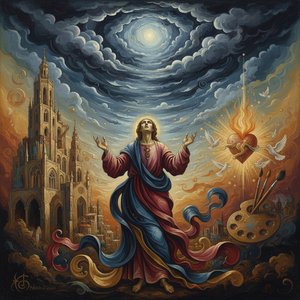


A Sanctuary of Art Amidst Basque Beauty
Nestled within the verdant embrace of Doña Casilda Iturrizar park in Bilbao, Spain, the Museo de Bellas Artes stands as a luminous beacon of artistic heritage and cultural vibrancy. More than simply housing paintings and sculptures, it embodies the very spirit of the Basque Country—a region celebrated for its profound traditions, relentless innovation, and an enduring appreciation for beauty. As the second largest museum in the Basque Country, surpassed only by the architectural audacity of the Guggenheim Bilbao, this institution offers a journey through centuries of artistic evolution. Its neoclassical building, designed to harmonize seamlessly with the surrounding parkland, serves as a serene and dignified backdrop for treasures that span from the spiritual intensity of medieval iconography to the provocative explorations of contemporary masters, creating an immersive experience that transcends time.
The museum’s collection is remarkably diverse yet meticulously curated, reflecting a deep understanding of both global art history and local cultural context. Visitors embark on a profound exploration that begins with the dramatic, ethereal compositions of El Greco , where works such as The Annunciation capture the very essence of faith and devotion. As one wanders through the galleries, the meticulous detail characteristic of Cranach’s prints and the delicate grace of Sofonisba Anguiissola’s portraits emerge, defining their respective eras with unparalleled skill. Spanish masters like Murillo and Goya are represented with works that powerfully convey the nation's artistic heritage, showcasing a breathtaking spectrum of both grandeur and poignant realism.
A Legacy of Cultural Devotion
What truly distinguishes the Museo de Bellas Artes is its unwavering dedication to showcasing Basque art, unveiling a unique perspective on regional identity through pieces from artists such as Nicolás Martínez Ortiz de Guezala y Arroyo. Moving into more recent centuries, the collection breathes with the energy of the 19 and 20th centuries, boasting luminaries who revolutionized artistic techniques and conveyed profound visions of the human condition. The halls resonate with the light-drenched canvases of Sorolla , the evocative textures of Mary Cassatt , and the bold, transformative strokes of Paul Gauguin . This lineage of innovation continues through to the visceral power of Francis Bacon and the monumental presence of Richard Serra , ensuring that the museum remains a vital dialogue between the past and the present.
The history of the institution is one of collective passion and civic pride. Founded through the generous donations of Bilbao’s philanthropic community, the museum emerged from a desire to elevate the city's cultural landscape. This spirit of collaboration was further solidified in 1945 when the museum merged with the Museo de Arte Moderno, creating the comprehensive and multifaceted institution we encounter today. Through subsequent expansions in 1970 and 2001, the museum has continually bolstered its capacity to safeguard and disseminate precious artistic heritage. Celebrating its centennial under the evocative slogan “100 Years of History, 10 Centuries of Art,” the Museo de Bellas Artes reaffirmed its role as a catalyst for cultural enrichment, remaining a living, breathing hub where art continues to inspire dialogue and captivate audiences across generations.