A Journey Through Tuscan Faith and Antiquity: The Museo d’Arte Sacra in Asciano
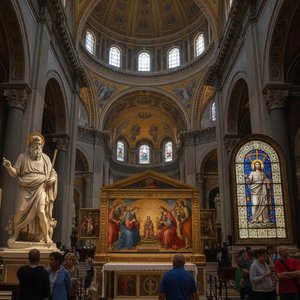
Nestled within the historic Palazzo Corboli in the charming Tuscan town of Asciano, lies a museum that offers an unexpectedly profound experience – the Museo d’Arte Sacra. More than simply a repository of religious art, it's a captivating portal into the layered history of this region, weaving together Etruscan echoes, Roman legacies, and the vibrant artistic spirit of Siena. The museum’s unique combination of sacred objects, archaeological finds, and a stunning architectural setting creates an intimate and rewarding visit for anyone with an interest in art, history, or the soul of Tuscany.
The heart of the Museo d’Arte Sacra beats within its collection of Sienese paintings. This isn't merely a display of devotional works; it’s a testament to the School’s distinctive style – characterized by intense emotion, dramatic lighting, and a profound sense of spirituality. Here you’ll encounter masterpieces by Lorenzetti, whose “Adoration of the Shepherds” (a work currently held in another collection but representing the school's ideals) exemplifies this fervor, alongside the masterful compositions of Duccio di Buoninsegna. These artists, deeply rooted in Sienese tradition, channeled centuries of religious belief into their canvases, creating images that resonate with a palpable sense of devotion.
Echoes of the Past: Etruscan and Roman Treasures
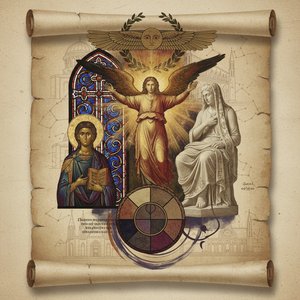
Beyond the realm of faith, the museum unveils the region’s ancient past through its impressive collection of Etruscan and Roman artifacts. Excavations from nearby sites – including the necropolises at Poggio Pinci and the Molinello Tumulus – have yielded a remarkable array of objects, offering glimpses into the lives and beliefs of these influential civilizations. The centerpiece of this section is undoubtedly the “Wheel of Barlaam,” a stunning Etruscan ivory comb dating back to the 7th-6th century BC. Its intricate design and symbolic imagery speak volumes about the artistry and sophistication of the Etruscans, highlighting their fascination with mythology and moral teachings.
Further enriching this archaeological narrative are Roman remnants unearthed from the Campo Muri thermal bath complex, including mosaics and architectural fragments. These discoveries underscore Asciano’s strategic importance as a crossroads of cultures throughout history – a place where Etruscan traditions intertwined with Roman power and influence. The museum skillfully presents these disparate elements, creating a compelling narrative of continuous evolution.
Palazzo Corboli: A Historical Canvas
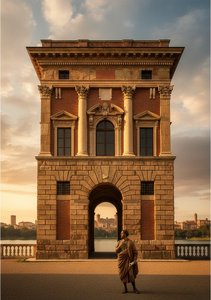
The Museo d’Arte Sacra isn't simply housed within a building; it resides in Palazzo Corboli itself – a magnificent example of medieval architecture that adds significantly to the museum’s allure. Originally constructed by Siena’s Bandinelli family, this palace boasts a rich history and stunning interior details. The Sala di Aristotele (Aristotle Room) and the Sala delle Stagioni (Room of the Seasons), adorned with frescoes from the 1300s, are particularly noteworthy. These vibrant cycles, attributed to Cristoforo di Bindoccio and Meo di Pero, were intended to impart ethical and political lessons to the town’s inhabitants – a testament to the palace's role as a center of civic life.
The museum’s location within this historic palazzo is more than just aesthetically pleasing; it provides a tangible connection to Asciano’s past. Walking through its halls, one can almost hear the echoes of centuries gone by – merchants conducting business, scholars debating philosophy, and religious figures shaping the spiritual landscape of Tuscany.
A Unique Perspective: Sacred Art and Archaeology Combined
What truly distinguishes the Museo d’Arte Sacra is its unique approach to presenting history. Unlike many museums that focus solely on one era or discipline, this museum seamlessly blends sacred art with archaeological artifacts, offering a holistic view of Asciano's cultural evolution. This combination allows visitors to understand not only *what* was created and believed but also *why* – providing context for the artistic expressions within a broader historical framework.
The intimate scale of the museum further enhances the visitor experience. Compared to larger, more sprawling institutions, the Museo d’Arte Sacra invites a deeper engagement with each artwork and artifact. It's a place where you can truly appreciate the details, contemplate the stories behind them, and connect with the rich cultural heritage of Tuscany. A visit here is not just an art appreciation experience; it’s a journey through time, faith, and the enduring spirit of Asciano.