A Symphony of Stone and Paint: The Soul of Castelvecchio
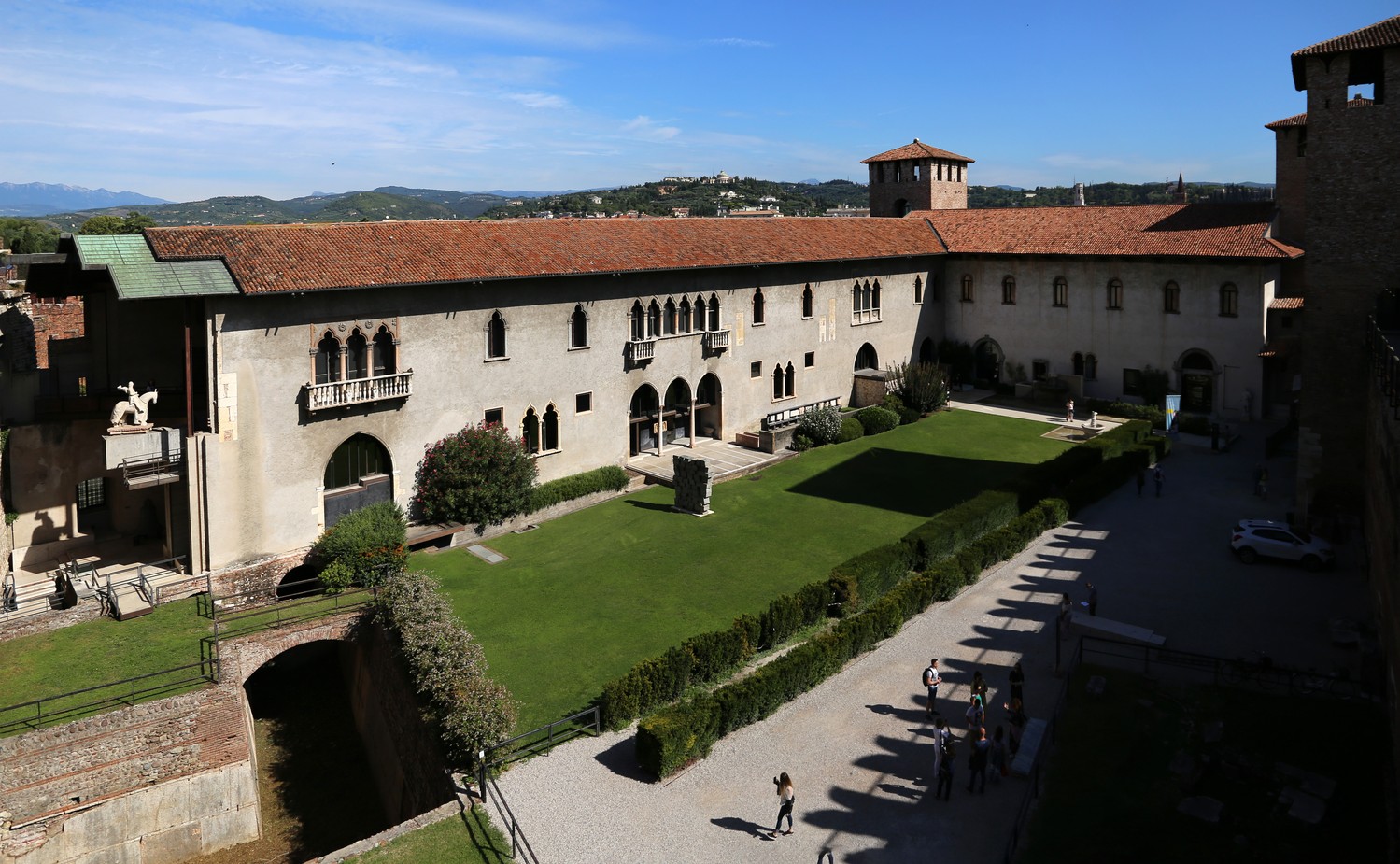
Nestled within the formidable medieval walls of Verona’s iconic castle, the Museo Civico di Castelvecchio stands as a profound testament to the enduring power of human creativity and architectural resilience. Once a strategic military stronghold designed by the Scaliger dynasty to safeguard their dominion in the 14th century, this imposing structure has undergone a breathtaking metamorphosis. It has transitioned from a bastion of war into a sanctuary of peace, where the heavy, defensive stones of the past now cradle some of Northern Italy’s most delicate artistic treasures. To walk through its gates is to step into a living dialogue between the rugged strength of medieval fortification and the refined elegance of Renaissance humanism.
The museum experience is defined by a revolutionary architectural intervention by the legendary Carlo Scarpa , whose visionary touch transformed the castle from a mere repository into an immersive masterpiece of spatial design. Scarpa did not simply restore the ancient walls; he reimagined them, treating the very fabric of the building as a canvas for light and texture. By integrating modern materials such as polished marble and textured plaster against the weathered medieval masonry, he created a sophisticated interplay of old and new. His meticulous attention to detail—seen in custom-designed doorways and precisely positioned lighting—ensures that every corridor feels like an intentional journey, guiding the visitor through a carefully orchestrated sequence of shadows and brilliance.
The collection itself is a magnificent tapestry of Verona’s artistic evolution, offering a profound depth that captivates both the casual observer and the seasoned collector. The museum’s sculptural holdings command immediate reverence, featuring Romanesque masterpieces like the Sepulchre of Sts. Sergius and Bacchus , which evoke a sense of ancient piety and solemnity. As one moves deeper into the galleries, the atmosphere shifts toward the luminous grace of the Renaissance. Here, the delicate, ethereal brushwork of Pisanello’s Madonna of the Quail invites quiet contemplation, while the masterful use of perspective in Andrea Mantegna’s Holy Family showcases the era's intellectual and technical triumphs. These paintings are not merely objects on a wall; they are windows into a world of spiritual devotion and humanistic ideals.
Beyond the high art of painting and sculpture, Castelvecchio offers a rich, multi-sensory exploration of history through its diverse artifacts. The museum houses an evocative collection of weaponry that whispers tales of medieval conflict, alongside intricate ceramics and opulent gold works that reflect the sophisticated patronage of the Italian nobility. Even the auditory landscape is touched by history, as the presence of ancient bells resonates with the echoes of Verona’s past. For interior designers and lovers of fine art alike, the museum serves as an unparalleled source of inspiration, demonstrating how the rugged textures of history can be harmoniously blended with refined aesthetic beauty to create a space that is both timeless and profoundly moving.