


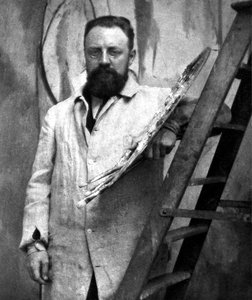
A Beacon of Modernity: The Musée National d’Art Moderne
Nestled within the groundbreaking Centre Pompidou, Paris’s Musée National d’Art Moderne stands as a testament to artistic innovation and a celebration of the 20th century's transformative vision. Established in 1937 with an ambitious goal—to showcase living artists—the museum embarked on a remarkable voyage, redefining perceptions of art history and establishing itself as a cornerstone of contemporary culture.
More than simply housing masterpieces, it’s an experience; a deliberate confrontation with artistic movements that reshaped our understanding of beauty and form. From the audacious hues of Fauvism to the fractured geometries of Cubism and the subconscious explorations of Surrealism, each gallery unveils layers of intellectual and aesthetic challenge.
- Collection Highlights: The museum’s vast holdings encompass over 100,000 artworks spanning painting, sculpture, photography, film, and new media. Notably prominent are works by Henri Matisse—including *Grand Intérieur rouge*, a vibrant depiction of domestic life bathed in bold crimson—and Picasso’s seminal Cubist canvases.
- Architectural Innovation: Designed by Renzo Piano and Richard Rogers, the Centre Pompidou itself is an architectural marvel. Its exposed structural framework – a cascade of colorful pipes – symbolizes openness and rejects traditional museum aesthetics, creating a dynamic space for artistic contemplation.
- The Atelier Brancusi: A singular treasure resides within its walls—the Atelier Brancusi, meticulously reconstructed to mirror the sculptor’s studio environment. This immersive space allows visitors to appreciate Brancusi's artistic process and his profound connection to spatial relationships.
Origins in Luxembourg & The Birth of Living Art
The museum’s genesis lies in Luxembourg, where France bravely championed the concept of displaying *living* artists—a revolutionary stance at a time when art was largely viewed as frozen in historical narrative. This pioneering spirit persisted even after its relocation to Centre Pompidou in 1977, cementing its commitment to artistic dynamism and intellectual curiosity.
The building’s design reflects this ethos; its transparency embodies openness and accessibility, inviting dialogue between art and the public. Spaces are adaptable, fostering a continuous evolution of exhibitions and ensuring that the museum remains relevant to future generations.
A Kaleidoscope of Artistic Movements
Within these halls unfolds a panorama of artistic movements—each grappling with fundamental questions about perception, emotion, and representation. Fauvist artists like Matisse liberated color from descriptive roles, prioritizing expressive impact; Cubists dismantled traditional perspective, presenting fragmented forms that challenged our visual assumptions.
Surrealist explorations delve into the subconscious realm, mirroring Dalí, Miró, and others’ unsettling yet captivating imagery. The museum doesn't shy away from provocation—encouraging visitors to confront uncomfortable truths and embrace unconventional perspectives.
A Continuing Legacy of Innovation
Today, the Musée National d’Art Moderne continues its mission—to champion emerging artists alongside established masters, fostering intellectual exchange and propelling creative boundaries. Recognized globally as one of the most visited art museums, it remains dedicated to its founding principles: openness, accessibility, and an unwavering embrace of artistic innovation.
It stands as a beacon illuminating the artistic landscape for years to come—a place where art transcends mere observation; it’s experienced, questioned, and ultimately understood as an integral component of our shared human story.





