A Sanctuary of Symbolism: Entering Gustave Moreau’s World
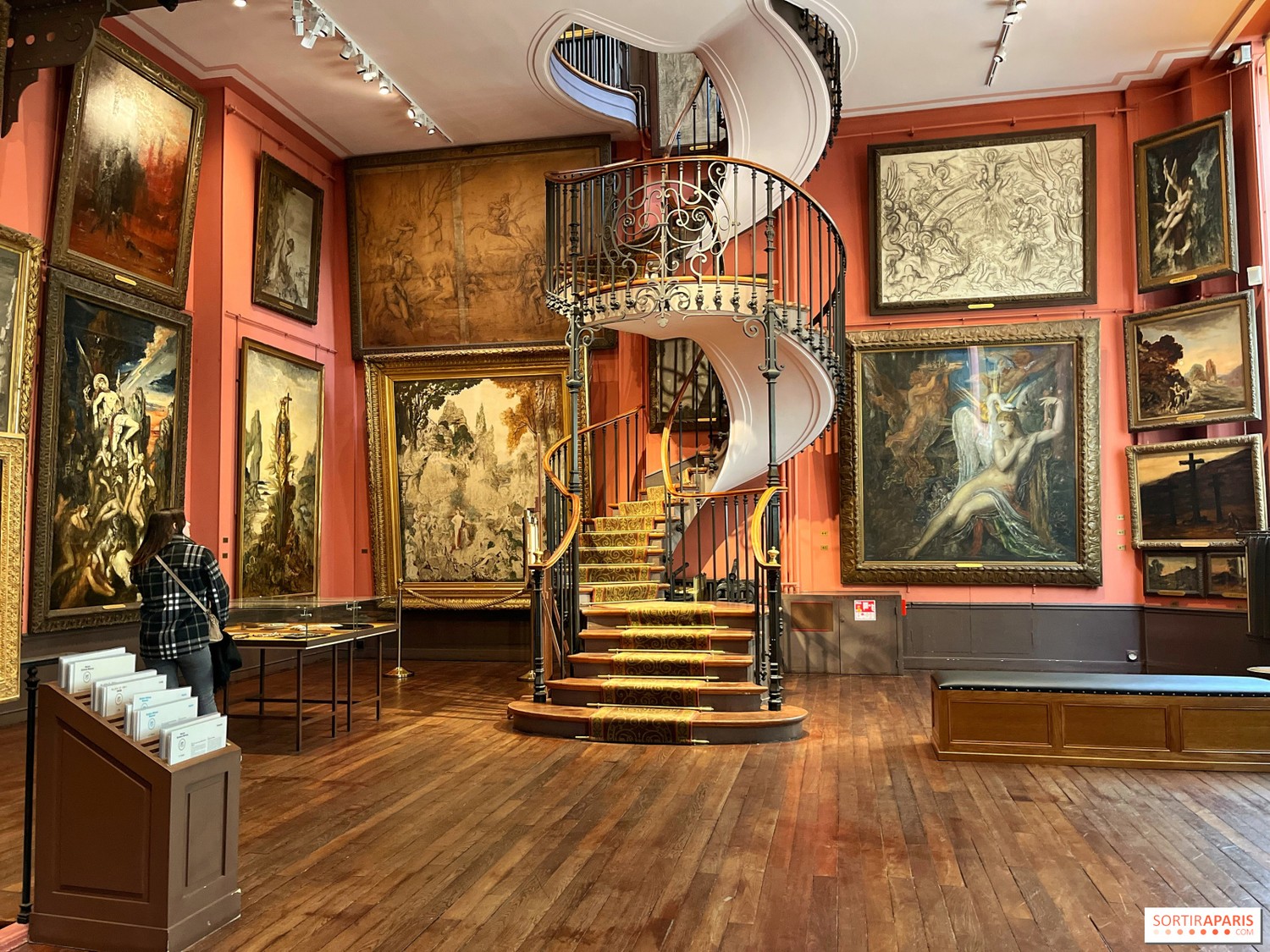
Stepping into the Musée national Gustave Moreau is unlike entering any other art institution in Paris. It isn't a grand palace repurposed for artistic display, but rather the preserved home and studio of one of France’s most enigmatic painters, Gustave Moreau. Located on Rue de la Rochefoucauld in the 9th arrondissement, the museum offers an intensely personal encounter with the artist's life and work—a journey into a realm where mythology, biblical allegory, and opulent detail converge. Moreau, a pivotal figure in the Symbolist movement, didn’t simply paint stories; he built worlds on canvas, teeming with fantastical creatures, dramatic landscapes, and psychologically charged figures. The museum itself is a testament to this world-building impulse, a carefully curated environment designed to immerse visitors in his artistic vision.
The building’s structure reflects Moreau’s own artistic sensibilities—layered, complex, and deeply personal. The museum unfolds across three floors, each revealing a different facet of his life and artistry. The ground floor, bathed in soft light, houses a collection of drawings dedicated to the Italian masters who profoundly influenced him. These studies aren''t merely exercises; they are evidence of Moreau’s meticulous approach to craft and his reverence for artistic tradition. Ascending to the first floor is like stepping back in time, into Moreau’s private apartment—a remarkably preserved space that includes a dining room, bedroom, den, hallway, and an office-library overflowing with books and artifacts. Here, one can almost sense the artist's presence, imagining him surrounded by his beloved volumes and contemplating his next masterpiece.
The Heart of the Studio and the Majesty of Myth
The true heart of the museum lies on the second floor: Moreau’s vast studio, a soaring space flooded with natural light from a central skylight. This is where the magic happened—where canvases came to life under his hand. The third floor showcases some of his most significant and ambitious works, allowing visitors to fully appreciate the scale and complexity of his vision. Moreau's artistic output is staggering—over 1200 paintings, watercolors, and pastels, alongside nearly 4830 drawings—and the museum provides a comprehensive overview of his career. His subjects are drawn primarily from mythology and biblical narratives, but he rarely presents them in straightforward fashion. Instead, he imbues these ancient stories with a deeply personal symbolism, exploring themes of desire, guilt, redemption, and the eternal struggle between good and evil.
Consider Jupiter and Semele (1895), widely regarded as one of his masterpieces. The painting depicts the tragic moment when Semele, deceived by Hera, demands to see Zeus in his true form and is consumed by divine fire. Moreau’s rendering of this scene is breathtakingly dramatic, filled with swirling colors, intricate details, and a palpable sense of foreboding. Similarly captivating is Chimera (1884), a mesmerizing depiction of the mythical beast—a composite creature embodying chaos and destruction. And then there's The Apparition (c. 1875), a hauntingly beautiful work that exemplifies Moreau’s ability to blend the mystical with the tangible, creating an atmosphere of ethereal beauty and unsettling mystery.
A Living Legacy for the Modern Connoisseur
Throughout its history, Moreau’s museum has hosted several influential exhibitions that solidified his place as a cornerstone of Symbolist art. Particularly noteworthy was the retrospective organized in 1903 by André Salmon, which drew considerable acclaim for its meticulous reconstruction of Moreau's studio and highlighted the breadth of his artistic endeavors. Furthermore, collaborations with prominent scholars and curators have ensured ongoing research into Moreau's oeuvre and contributed to a deeper understanding of Symbolist aesthetics—a movement characterized by its rejection of realism in favor of subjective experience and imaginative vision.
What truly sets the Musée national Gustave Moreau apart is its intimate scale and unique history. Unlike many large, impersonal museums, this institution feels like a private sanctuary—a place where visitors can forge a direct connection with the artist and his work. The fact that it was established according to Moreau’s own wishes—he bequeathed his home and studio to the French State in 1895—ensures that his artistic legacy is preserved exactly as he intended. For art lovers, collectors, and those drawn to the decorative grandeur of the Belle Époque, the museum stands as a singular testament to the power of artistic vision and the enduring allure of myth and allegory.