A Jewel of Parisian Elegance: The Musée du Petit Palais
Nestled across from its grander sibling, the Grand Palais, the Musée du Petit Palais stands as a breathtaking testament to an era of opulent design and profound artistic patronage. More than just a repository for fine arts, it offers a journey through centuries of European creativity, housed within a Beaux-Arts masterpiece that is itself a work of art. Constructed for the 1900 Exposition Universelle—an event designed to showcase France's global prowess—the building was originally intended as a temporary exhibition hall. However, its architectural splendor and the richness of its nascent collection soon transformed it into the City of Paris Museum of Fine Arts. To walk through its doors is to step into the heart of the Belle Époque , where the very stones seem to whisper stories of artistic ambition and the shimmering light of a bygone Parisian era.
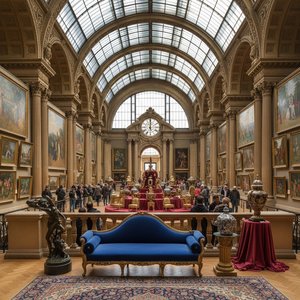
The architectural grandeur of the Petit Palais is perhaps its most captivating feature, serving as a monumental frame for the treasures within. Designed by the architect Charles Girault , the building is a quintessential example of the Beaux-Arts style, characterized by its majestic scale and lavish classical ornamentation. The façade greets visitors with a grand porch supported by imposing Ionic columns, while a magnificent tympanum depicts Paris surrounded by mythological figures, asserting the city's cultural supremacy. Inside, the experience is one of soaring ceilings, intricate plasterwork, and a stunning central dome that draws inspiration from Les Invalides, creating a sense of imperial dignity. The clever trapezoidal design even incorporates a semi-circular courtyard, offering a tranquil, light-filled sanctuary away from the bustling streets of Paris.
A Dialogue of Masterpieces and Movements
The museum’s true strength lies in its meticulously curated collection, which avoids the overwhelming scale of larger institutions in favor of an intimate, deeply moving experience. Within its galleries, one encounters a profound dialogue between different movements and mediums. The paintings section offers a window into the evolution of French sensibility, ranging from the powerful realism of Gustav Courbet to the ethereal light of the Impressionists. One cannot help but be moved by Courbet’s “The Sleepers,” a hauntingly beautiful nude study that explores themes of vulnerability and emotion with an unflinching, romantic realism.
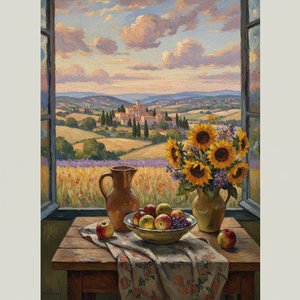
In stark contrast, the vibrant, loose brushstrokes of Pierre Bonnard evoke the fleeting, sun-drenched beauty of a Parisian garden, capturing a sense of atmosphere that is simultaneously joyful and melancholic. This collection, which also boasts significant works by masters such as Ingres, Delacroix, and Rodin , provides a comprehensive narrative of how form and color have shifted from classical antiquity to the dawn of modernism. For the art lover, the collector, or the designer seeking inspiration, the Petit Palais remains a vibrant, essential hub—a place where history, architecture, and beauty converge in the heart of Paris.
Beyond its permanent collection, the Petit Palais has long been a site of significant cultural exchange and democratic accessibility. Its history is marked by groundbreaking moments, such as the 1903 exhibition of Japanese art, an event that fostered a deep appreciation for Eastern aesthetics within the French artistic community. This spirit of internationalism was championed by figures like Louis-Joseph-Raphaël Collin , whose dedication to cultural bridge-building enriched the Parisian scene with new techniques and perspectives. Today, this legacy of openness continues, most notably through the museum's commitment to making art accessible to all via free admission to its permanent exhibits.