A Palatial Journey Through Alsatian Art History
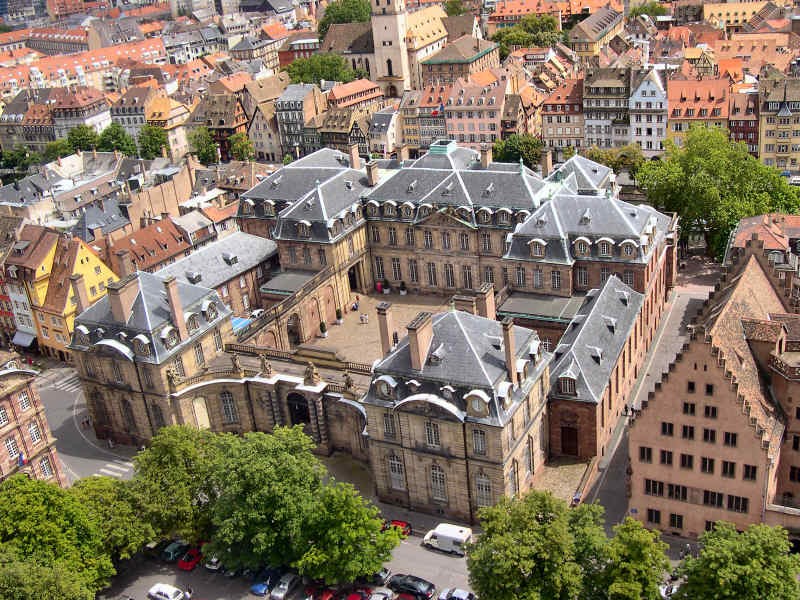
The Musée des Beaux-Arts de Strasbourg is far more than a mere repository for canvas and stone; it is a living embodiment of the Alsatian soul, a profound testament to centuries of cultural exchange and creative evolution. Nestled within the opulent Palais Rohan, a structure commissioned by Cardinal Rohan in the 18th century as a symbol of Bourbon grandeur, the museum invites visitors into an unforgettable exploration of European painting history. To step through its doors is to enter a realm where the architectural splendor of the Baroque era meets the transformative power of art. The museum’s very existence is inextricably linked to the narrative of Alsace itself—a story of resilience, rebirth, and an unyielding artistic ambition that has survived the tremors of revolution and the devastation of war.
The history of this institution is etched in both triumph and tragedy. Born from the revolutionary fervor of 1801 through the expropriation of ecclesiastical lands, the museum was founded on the noble conviction that art should serve as an instrument of enlightenment for all citizens. While its early years were bolstered by strategic loans from the Louvre and generous donations from discerning patrons, the museum faced a harrowing period during the Franco-Prussian War in 1870. The destruction of its original home at the Aubette by Prussian artillery served as a catalyst for a magnificent reconstruction. This era of rebuilding culminated in the museum’s triumphant relocation to the Palais Rohan in 1898, where it has since flourished, transforming every challenge into an opportunity for growth and acquisition.
A Tapestry of Masters and Regional Brilliance
Within its hallowed halls, the collection unfolds as a chronological panorama, transporting the observer from the 14th to the 19th centuries. The museum’s core resides in an extraordinary assemblage of Old Master paintings that command attention through their technical mastery and emotional depth. One finds themselves lost in the breathtaking realms of the Italian Renaissance, encountering the groundbreaking techniques of titans such as Botticelli, Raphael, Veronese, and Tiepolo —artists who fundamentally redefined human psychology on canvas. This journey continues through the vibrant palettes and meticulous narratives of Flemish and Dutch masters like Rubens, Jordaens, and van Dyck , whose works pulse with drama and life.
Yet, what truly distinguishes the Musée des Beaux-Arts is its intimate connection to the Upper Rhenish tradition. The collection offers an unparalleled glimpse into the distinctive cultural landscape of Alsace, a region historically shaped by the delicate interplay between French and German influences. Collectors and enthusiasts will find profound beauty in pieces such as “Eva” by Hendrik Goltzius and the atmospheric “Low Tide” by Simon Jacobsz de Vlieger. Even more evocative is the discovery of “A Landscape With Figures” by Nicolaes Pietersz Berchem, which serves as a remarkable exemplar of the regional artistry that defines this corner of Europe. For the interior designer or art lover, these works provide not just aesthetic pleasure, but a deep sense of historical context and cultural dialogue.
Architecture as an Artistic Companion
The experience of viewing these treasures is heightened by the magnificent setting of the Palais Rohan itself. Designed by Jean-Baptiste Raspail and Nicolas Léonard Falconet, the palace is a masterpiece of architectural innovation that acts as a silent companion to the art it houses. The Baroque grandeur of the building—characterized by its gilded salons, monumental staircases, and soaring ceilings—amplifies the splendor of the paintings. Intricate stucco decorations and expansive windows create an atmosphere of light and contemplation, a deliberate strategy intended to immerse the visitor in the spirit of artistic heritage. As one wanders through these opulent spaces, the boundary between the architecture and the art begins to dissolve, leaving only a pure, immersive encounter with beauty.
Beyond its permanent collection, the museum continues to engage the modern world through notable exhibitions that explore themes of identity and cultural dialogue. These initiatives reaffirm Strasbourg's commitment to fostering contemporary discourse while honoring its classical roots. For those seeking inspiration, whether it be for a private collection or a curated interior space, the Musée des Beaux-Arts de Strasbourg stands as a singular destination—a place where beauty transcends borders and celebrates the enduring power of human expression.