A Symphony of Tradition: The Soul of Musée de la Vénerie
Nestled within the venerable walls of the Château Royal de Senlis, the Musée de la Vénerie offers far more than a mere glimpse into a specialized pastime; it provides a profound immersion into the very heartbeat of French cultural identity. To step into this museum is to enter a realm where the boundaries between nature, nobility, and fine art dissolve. The museum serves as the preeminent sanctuary for the history of hunting with hounds, a tradition that has woven itself through the tapestry of French aristocracy for centuries. Here, the pursuit of the hunt is elevated from sport to a high art form, reflected in every meticulously preserved artifact and every brushstroke of its storied collection.
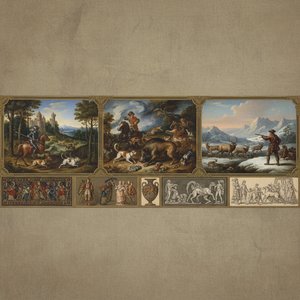
The heart of the museum’s allure lies in its extraordinary assemblage of paintings, most notably the works of Thomas Couture. A titan of the Romantic and Realist movements, Couture brings a dramatic intensity to the gallery, his canvases breathing life into scenes of chivalry and the sublime majesty of the wild. His mastery of light and shadow—the chiaroscroll technique that defines much of the era's emotive power—transforms hunting scenes into epic narratives of human connection with the natural world. For the discerning collector or art lover, these works are not merely depictions of a chase; they are studies in composition and emotion, capturing the tension, the grace, and the rugged beauty of the French landscape.
Beyond the canvas, the museum presents a breathtaking tactile history through its impressive array of hunting trophies. These specimens, ranging from the formidable boar to the majestic deer, serve as powerful sculptural elements within the museum's halls. They are testaments to a bygone era of craftsmanship and skill, embodying a deep respect for the fauna of France. This collection is seamlessly integrated into the architectural grandeur of the Château Royal itself. As visitors wander through spaces that evolved from Romanesque foundations to Baroque opulence under monarchs like Louis XIV, the architecture acts as a living frame for the exhibits. The soaring halls and ornate decorations of the prieuré Saint-Maurice provide a sense of historical resonance that is impossible to replicate in a modern gallery.
What truly distinguishes the Musée de la Vénerie is its ability to weave the niche subject of venery into the broader narrative of European art and social ritual. It is a place where the intersection of art, custom, and history is explored with unparalleled depth. Whether one is drawn by the technical brilliance of 19th-century painting, the architectural splendor of the Senlis royal heritage, or the evocative power of historical artifacts, the museum offers an experience that is both intellectually stimulating and visually enchanting. It remains a vital destination for those who seek to understand how the traditions of the past continue to shape the aesthetic sensibilities of our present.