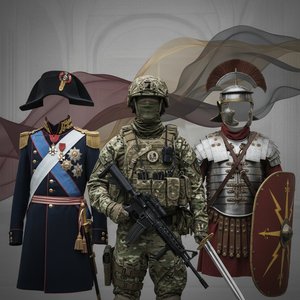
A Bastion of French Valor: The Soul of Les Invalides
Nestled within the golden grandeur of Les Invalides, a monument that breathes the very essence of Parisian history, the Musée de l'Armée stands as much more than a mere repository for weaponry. It is a profound, sweeping chronicle of France’s enduring relationship with conflict, innovation, and national identity. To step through its doors is to embark on a journey through time, where the echoes of Roman legionary armor meet the polished splendor of Napoleonic uniforms. The museum serves as a meticulously curated sanctuary for the evolution of French martial prowess, a place where the weight of steel meets the lightness of spirit, inviting visitors to contemplate the complex tapestry of human struggle and triumph.
The architecture itself is a testament to monumental history, situated within a complex that originally served as a home and hospital for aged and disabled soldiers. The museum’s presence within this historic site allows for an immersive encounter with the legend of Napoleon Bonaparte . The halls dedicated to his legacy are a treasury of both strategic brilliance and human vulnerability, where maps charting vast campaigns sit alongside personal letters that reveal the anxieties of an era. This exploration of empire is balanced by a nuanced acknowledgment of its human cost, providing a perspective that is as much about the weight of leadership as it is about the glory of victory.
Masterpieces of Metal and Canvas
The collection is breathtaking in its scope, offering a sensory experience that transcends simple historical documentation. One finds oneself captivated by the transition of technology and artistry, particularly within the medieval and Renaissance arms and armor. These are not merely instruments of destruction; they are exquisite works of art. Gleaming plate armor, meticulously crafted in the legendary workshops of Milan and Augsburg, stands alongside swords so finely wrought they reflect the aesthetic sensibilities and social status of their owners. The intricate detailing on pieces such as Henry VIII's armor serves as a powerful symbol of royal prestige, while the elegant curves of Venetian ducal cuirasses demonstrate a mastery of form that rivals any fine sculpture.
For the connoisseur of fine detail, the museum offers a visual feast of unparalleled richness through its magnificent holdings of military art. The collection includes:
- Paintings and Sculptures: Evocative works that depict the drama of battle and the solemnity of sacrifice, including the monumental Napoleon as Jupiter Enthroned by Jean Auguste Dominique Ingres, a masterpiece of Neoclassical grandeur.
- Uniforms and Insignia: A window into the social structures and evolving identities of soldiers across centuries, from the elaborate court dress of the Napoleonic era to the practical attire of the Great War.
- Military Engineering: Imposing cannons in the Main Courtyard that represent monumental feats of craftsmanship and once commanded the battlefields of Europe.
The works of artists like Jean-Baptiste Édouard Detaille , renowned for his realistic battle scenes and meticulous attention to uniform detail, bring a cinematic quality to the galleries. Through reconstructed dioramas and evocative displays, the museum creates an environment that allows art lovers and historians alike to witness the enduring legacy of courage and the eternal quest for peace within the heart of Paris.