

A Legacy of Artistic Vision: Exploring the Minneapolis Institute of Art
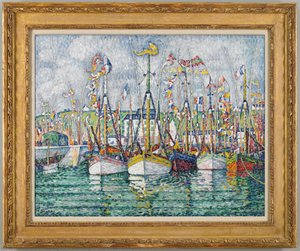
The Minneapolis Institute of Art (Mia) stands as a beacon of artistic heritage in the American Midwest, offering visitors an unparalleled journey through millennia of creative expression. Founded in 1883 by the Minneapolis Society of Fine Arts with a singular ambition—to enrich the cultural tapestry of Minnesota—the museum’s evolution mirrors the city's own growth into a vibrant center for art and culture. From its modest beginnings nestled within the city’s public library to its magnificent Beaux-Arts edifice designed by McKim, Mead & White, Mia embodies a steadfast dedication to preserving artistic treasures and fostering intellectual curiosity. A Kaleidoscope of Artistic Traditions: Mia’s Collection Highlights Mia’s extraordinary collection boasts over 100,000 artworks representing five distinct curatorial areas—Arts of Global Africa, Global Contemporary Art, Asian Art, European Art, and Arts of the Americas—providing a breathtaking panorama of artistic traditions from across continents. Visitors can immerse themselves in the grandeur of Chinese imperial art, marvel at intricately carved jade sculptures reflecting ancient beliefs, contemplate monumental bronze castings commemorating historical achievements, and appreciate exquisitely painted porcelain ceramics showcasing masterful craftsmanship. The European wing houses iconic paintings by masters like Rembrandt, Monet, Picasso, and Warhol, allowing viewers to trace the trajectory of artistic innovation from Baroque brilliance to Impressionist luminosity and Cubist experimentation. Furthermore, Mia’s Contemporary Art section showcases groundbreaking works challenging conventions and sparking dialogue about pressing social issues. Architectural Grandeur: McKim, Mead & White's Beaux-Arts Legacy The institute’s original building—a testament to civic pride and architectural ambition—was conceived as a symbol of artistic aspiration by the celebrated firm McKim, Mead & White. Completed in 1915, it exemplifies the Beaux-Arts style, characterized by symmetrical proportions, monumental scale, and opulent ornamentation. The building's soaring façade adorned with sculpted reliefs and intricate stonework immediately captivated critics and admirers alike, reflecting the elegance and grandeur of its era. Subsequent expansions—including a daring addition by Kenzo Tange in 1974—demonstrated Mia’s adaptability and commitment to architectural excellence alongside tradition. More recently, Michael Graves' design incorporated flowing curves and vibrant colors, harmoniously blending past splendor with modern sensibilities. Beyond Walls: Community Engagement and Artistic Exploration Mia distinguishes itself not merely through its impressive collection but also through its profound engagement with the Minneapolis community. The institute’s Art Adventure Program introduces over 100,000 elementary schoolchildren annually to the wonders of art, nurturing early curiosity and cultivating a lifelong appreciation for creative expression. Public programs—ranging from lectures and workshops to artist residencies and collaborative exhibitions—enrich the cultural life of Minneapolis and beyond, fostering intellectual discourse and broadening perspectives. Mia actively champions artistic dialogue across cultures, inviting visitors to contemplate artistic narratives and grapple with complex ethical questions—a mission underscored by its generous admission policy ensuring that art remains accessible to all citizens. Notable Exhibitions and Artistic Significance Mia’s exhibitions consistently illuminate pivotal moments in art history and stimulate critical reflection on contemporary issues. Recent highlights include immersive installations exploring themes of identity and social justice, alongside retrospectives celebrating the careers of influential artists reshaping artistic landscapes. The museum's commitment to scholarship—supported by a dedicated research institute—further elevates its role as a center for artistic understanding and innovation. Mia’s enduring appeal lies in its ability to inspire wonder and contemplation—to transport visitors into worlds brimming with beauty and imagination.- Lucretia institute of art, minneapolis
- (Carcass of beef) Minneapolis Institute of Arts
- The Dining Room in the Country