A Sanctuary of Spirit and Soil
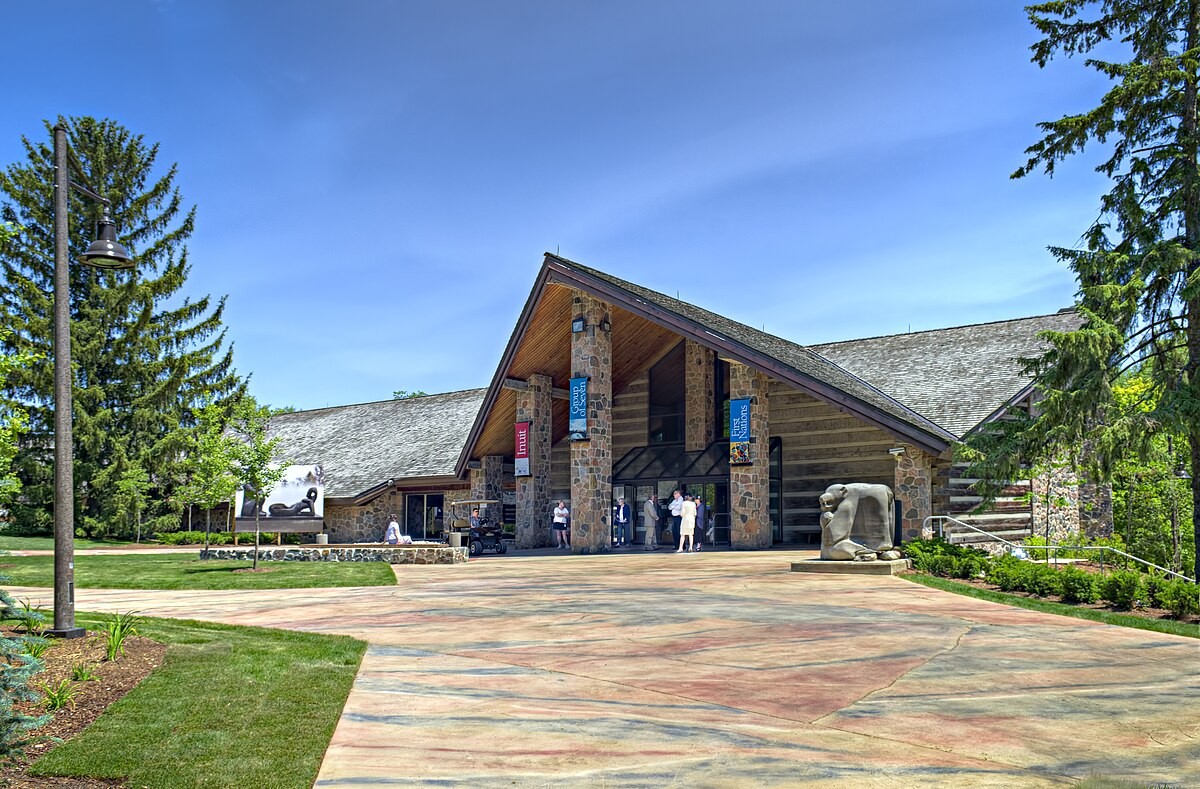
Nestled within the rolling hills and verdant forests of Kleinburg, Ontario, the McMichael Canadian Art Collection serves as a profound testament to the nation’s artistic soul. It is far more than a mere repository for canvases; it is an immersive journey into the very heart of Canadian identity, forged through the raw beauty of the landscape and the bold visions of its most iconic creators. Founded in 1955 by the passionate collectors Robert and Signe McMichael, the institution began as a personal tribute to the evocative works of Tom Thomson and the legendary Group of Seven. What was once a private dream has blossomed into a nationally recognized sanctuary, where the boundaries between the art on the walls and the nature outside seem to dissolve entirely.
The essence of the McMichael lies in its unparalleled ability to capture the untamed spirit of the North. At the core of its collection are the masterpieces of the Group of Seven—artists such as Lawren Harris, A.Y. Jackson, and J.E.H. MacDonald—whose revolutionary styles redefined a national aesthetic. Their works pulsate with vibrant colors and rhythmic, bold brushstrokes that reflect not just a visual observation of the land, but a deep, emotional resonance with it. For the discerning collector or the interior designer seeking pieces that evoke strength and serenity, these works offer an incomparable connection to the rugged textures of the Canadian wilderness. Beyond these titans, the museum’s holdings gracefully extend into the rich traditions of Indigenous art, including exquisite archives of works on paper from Inuit artists, ensuring a narrative that is as diverse as the land itself.
Where Architecture Meets the Wild
The McMichael experience is defined by a harmonious blend of art and environment. The museum’s architecture does not impose itself upon the 40-hectare property; instead, it nestles into the landscape, mirroring the organic flow of the surrounding woods. This seamless integration allows visitors to wander through a beautifully curated sculpture garden where contemporary Canadian works stand as silent sentinels amidst native trees and wildflowers. As one meanders through the scenic walking trails that wind through meadows and forests, the museum becomes a living gallery. There is a poignant historical resonance found even in the grounds, particularly in the cemetery where several members of the Group of Seven are laid to rest, anchoring the collection to the very earth it depicts.
The institution continues to push artistic boundaries through groundbreaking exhibitions that foster vital cultural dialogues. From retrospective celebrations of masters like Edwin Holgate and Kazuo Nakamura to contemporary installations that challenge our perceptions of space and identity, the McMichael remains a dynamic force in the art world. Recent highlights, such as the evocative Morrice in Venice exhibition, demonstrate the museum's ability to bridge the gap between the Canadian wilderness and international artistic movements. For any lover of art, the McMichael is not simply a destination for observation, but a place of quiet contemplation and profound discovery, preserving Canada’s luminous artistic legacy for generations to come.