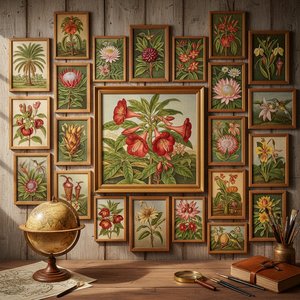
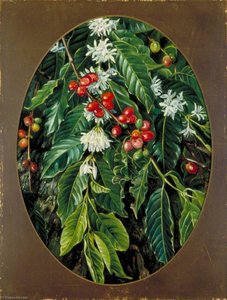
Discover Marianne North (1830-1890), a Victorian explorer & botanical artist who painted exotic flora worldwide. Her gallery at Kew Gardens showcases over 800 vibrant paintings – a testament to her adventurous spirit!
A Victorian World Captured in Bloom: The Marianne North Gallery
Stepping into the Marianne North Gallery at Kew Gardens is akin to entering a forgotten world—a vibrant, immersive cabinet of curiosities brought to life through the meticulous brushstrokes of an extraordinary Victorian woman. Unlike the formal botanical studies of her time, which often isolated specimens for scientific scrutiny, North’s paintings explode with the energy and untamed beauty of plants flourishing within their natural habitats. This isn't merely a record of flora; it is a passionate testament to a life lived in pursuit of artistic expression and scientific curiosity, defying societal expectations at every turn.
A Life Less Ordinary: The Artist and Her Travels
Marianne North was not destined for a conventional Victorian existence. Following the death of her father, a man who fostered her early interest in botany during visits to Kew itself, she embarked on a series of solo expeditions that were almost unheard of for women of her era. From the lush rainforests of Borneo and Java to the stark landscapes of South Africa and the delicate beauty of Japan, North traversed the globe, armed with her paints and an unwavering determination to document the botanical wonders she encountered. She wasn’t simply collecting specimens; she was capturing a sense of place—the light filtering through jungle canopies, the rugged textures of volcanic slopes, the very essence of each environment. Her work predates widespread color photography, making these paintings invaluable historical records as well as stunning works of art.
An Architectural Jewel: The Gallery Itself
The gallery that houses North’s remarkable collection is a testament to her vision and determination. Built in 1882 to her precise specifications, the building isn't merely a container for her art; it *is* part of the experience. North insisted on a design that would showcase her paintings to their fullest potential, and the result is an intimate space where nearly every inch of wall space is covered with her vibrant canvases. This immersive display creates a unique atmosphere—a feeling of being surrounded by the very landscapes she so lovingly depicted. The recent restoration in 2008 not only preserved this architectural gem but also revealed a hidden treasure: a previously unknown painting, concealed behind another artwork for over century, adding yet another layer to the gallery’s rich history.
Collection Highlights
The gallery boasts an astounding collection of over 800 paintings by Marianne North—a breathtaking panorama of botanical artistry. Among the most celebrated pieces are “Wild Pine Apple in Flower and Fruit, Borneo,” “View of the Fernwalk, Jamaica,” and “Bog Asphodel (Tofieldia intermedia),” each meticulously rendered with vibrant colors and unparalleled detail. These artworks exemplify North’s dedication to capturing not just the appearance of plants but also their essence—their textures, light, and atmosphere.
A Legacy of Art and Science
What truly sets the Marianne North Gallery apart is its seamless blend of artistic expression and botanical documentation. North wasn't simply an artist; she was a keen observer of the natural world, and her paintings reflect both scientific accuracy and a deep aesthetic sensibility. Her work offers insights into plant life and landscapes from the late 19th century, providing a valuable record for botanists and art historians alike. But beyond its academic significance, the gallery celebrates a woman who dared to challenge conventions, forging her own path in a world that often sought to confine her.
Notable Exhibitions
Recent exhibitions have explored connections between North’s artistic vision and contemporary botanical research. The current focus on “Woodlands and Forests” underscores the importance of preserving natural habitats while simultaneously appreciating their beauty—a message powerfully conveyed through the gallery's stunning collection.
A Unique Destination for Art Lovers and Beyond
Visiting the Marianne North Gallery is more than just a museum trip; it’s an immersive journey through time and across continents. It appeals to art enthusiasts captivated by her unique style, botany lovers fascinated by the diversity of plant life, and anyone intrigued by Victorian history and exploration. The gallery stands as a powerful reminder of the enduring legacy of a remarkable woman—an artist, a biologist, and a true pioneer who left an indelible mark on both the world of art and the study of nature.
By the OriginalUniqueArt.com Editorial Team
Art Quiz
There is only one correct answer for each question.
Question 1:
What distinguishes Marianne North’s paintings from typical Victorian botanical studies?
Question 2:
Marianne North’s expeditions were notable because:
Question 3:
The Marianne North Gallery’s architectural design is characterized by:
Question 4:
What makes the Marianne North Gallery a unique destination for art lovers?
Question 5:
The current exhibition at Marianne North Gallery focuses on:
Journey through the vibrant world of Marianne North’s botanical paintings! Explore 25 iconic artworks from this Victorian artist, celebrating exotic flora & travel. Find museum-quality reproductions and curated decor ideas at OriginalUniqueArt.com.
Discover the exquisite world of Victorian botanical painting. Explore the intersection of scientific precision and artistic elegance through the works of masters like Marianne North, and learn how to bring this timeless natural beauty into your home with museum-quality reproductions.
Discover the breathtaking botanical world of Marianne North. Explore her vibrant Victorian oil paintings of exotic landscapes, from Brazil to Jamaica, through an expert art-historical lens. Perfect for classic art enthusiasts and collectors of fine natural history art.