

A Living Dialogue with Manchester’s Soul
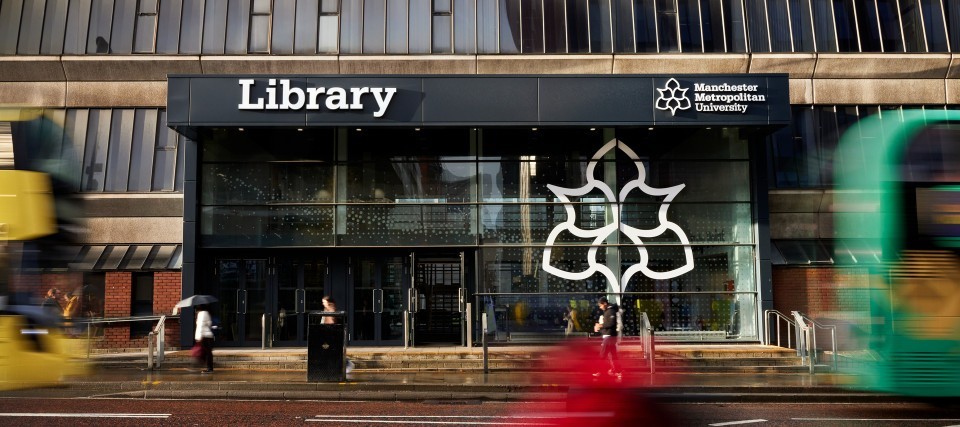
Nestled within the striking modernist architecture of the university campus, the Manchester Metropolitan University Special Collections Museum offers far more than a mere glimpse into the past; it provides an immersive encounter with the very threads that weave Manchester's identity. Unlike grand, imposing institutions that often prioritize spectacle and distance, this museum champions a philosophy of intimacy and accessibility. Here, history is not sequestered behind cold glass barriers but is instead invited into a direct, tactile dialogue with the visitor. The architecture itself serves as a contemporary vessel for antiquity, creating a space where scholarly rigor meets an environment designed for active exploration and sensory engagement.
Woven Narratives of Industry and Aspiration
At the very heart of this collection lies an extraordinary assemblage of textiles, most notably the magnificent tapestries painstakingly crafted during the Victorian era. These are not merely decorative remnants of a single age; they are profound visual chronicles of Manchester’s industrial ascendancy. One cannot help but be captivated by “A Manchester Tapestry,” a monumental work commissioned to celebrate the centenary of the Great Exhibition of 1851. Through intricate weaves, it depicts the burgeoning industries of the city alongside symbolic motifs of progress and social ambition, capturing the collective pulse of an era defined by rapid transformation. For the collector or designer, these pieces offer a masterclass in how craftsmanship can serve as both art and historical document, reflecting the social anxieties and triumphs of the nineteenth century.
A Symphony of Ink, Paper, and Clay
The museum’s treasures extend well beyond the loom, venturing into a realm where literature and visual art become indistinguishable. The collection boasts rare books and illuminated manuscripts that offer intimate portraits of the figures who shaped Manchester’s intellectual landscape, alongside a singular, experimental assemblage of Artists’ Books. These works, which blur the boundaries between text and image, stimulate the senses and challenge conventional narratives. This artistic spirit is further echoed in the museum's holdings of decorated papers and exquisite ceramics from the 18th and 19th centuries, showcasing a legacy of fine craftsmanship. Whether exploring the meticulously preserved archives of social movements or admiring the delicate beauty of embellished stationery, visitors find themselves part of a continuous story—a journey through the layers of creativity, innovation, and dissent that define this historic northern hub.