

The Enduring Elegance of Lodge Park: A Journey Through Cotswold Grandeur
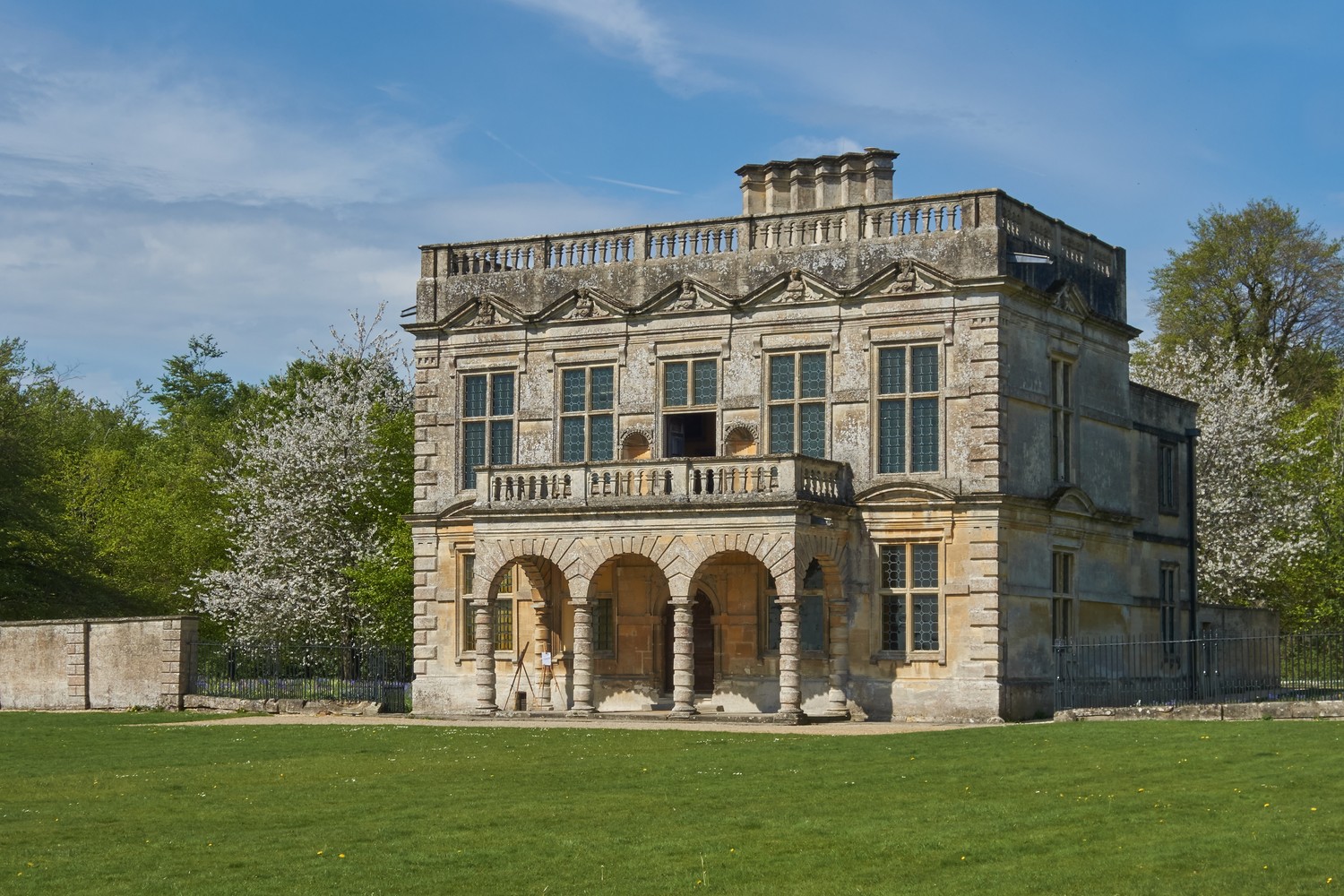
Nestled within the rolling hills of Gloucestershire’s Cotswolds, Lodge Park and Sherborne Park Estate stands as a testament to generations of aristocratic ambition and a remarkable preservation of Regency grandeur. This isn't merely a collection of buildings; it’s a living, breathing chronicle of English social history, meticulously maintained by the National Trust and offering visitors an unparalleled glimpse into the lives of the Bathurst family, who shaped this landscape for over two centuries. The estate’s core lies in its remarkable lodge house, a deceptively modest structure that belies the scale and sophistication of the surrounding parkland and formal gardens.
The history of Lodge Park is inextricably linked to the fortunes of the Bathurst family, prominent Whig politicians and ardent supporters of William III. Initially a small hunting lodge built in 1703 by Sir Thomas Bathurst, it gradually evolved into a statement of wealth and influence under subsequent generations. The estate’s transformation into a truly magnificent landscape began with Henry Bathurst, 3rd Earl of Bathurst, in the early 19th century. He envisioned a park designed to rival those of the great estates of Europe – a carefully orchestrated blend of natural beauty and meticulously planned vistas. This ambition drove an extensive program of landscaping, including the creation of serpentine lakes, formal gardens, woodland walks, and strategically placed follies, all designed to impress and reflect the family’s status.
Architectural Highlights & Interior Details- The Lodge House (1703): A quintessential example of early English Baroque architecture, its red brick façade is punctuated by elegant windows and a restrained but dignified symmetry. Inside, the lodge retains much of its original character, offering a poignant glimpse into the domestic life of the Bathursts.
- Sherborne Park House (1795): Designed by Robert Adam, Sherborne Park represents the pinnacle of Regency architecture. Its Palladian design is characterized by delicate ornamentation, intricate plasterwork, and stunning views across the parkland. The interior showcases a remarkable collection of original furniture, paintings, and decorative arts – reflecting the family’s taste for elegance and refinement.
- The Orangery (1820): A jewel of the estate, this glass-roofed structure served as a vital space for cultivating exotic plants and providing a sheltered environment for horticultural pursuits. Its elegant design is a testament to the Bathursts' commitment to innovation and their appreciation for beauty.
Beyond the grand structures themselves, the parkland reveals a wealth of subtle details that speak volumes about the era’s artistic sensibilities. The serpentine lake, for example, isn’t merely a picturesque feature; it was carefully engineered to reflect light and create an illusion of depth, mirroring the principles of landscape painting prevalent at the time. Scattered throughout the grounds are sculptures – many original pieces – strategically placed to enhance the overall composition and provide focal points within the vast expanse of greenery. The integration of classical motifs with natural elements is a defining characteristic of the estate’s design, reflecting a desire to create an environment that was both aesthetically pleasing and intellectually stimulating.
Notable Exhibitions & Ongoing Preservation- The National Trust regularly hosts temporary exhibitions exploring various aspects of the estate's history, including its role in the Napoleonic Wars and the lives of the women who shaped it.
- Ongoing conservation efforts are focused on preserving the original fabric of the buildings and restoring the parkland to its former glory. Recent projects have included the restoration of Sherborne Park’s interior decoration and the replanting of historic trees.
What truly distinguishes Lodge Park is not simply its architectural grandeur or historical significance, but rather its palpable sense of atmosphere. Walking through the park, one can almost hear the echoes of past conversations, feel the presence of generations who once strolled these paths and gathered within these walls. It’s a place where history feels remarkably immediate, inviting visitors to step back in time and experience the elegance and sophistication of Regency England. The estate offers a rare opportunity to connect with the past on a deeply emotional level – a testament to the enduring power of landscape architecture and aristocratic patronage.
A Unique Offering for Collectors & DesignersFor art collectors, Lodge Park provides an unparalleled chance to study original decorative arts and furniture pieces within their historical context. The estate’s collection offers insights into the tastes and preferences of the Bathurst family, as well as broader trends in Regency design. Interior designers will find inspiration in the estate's harmonious blend of classical proportions, natural materials, and subtle ornamentation – a timeless aesthetic that continues to resonate today. OriginalUniqueArt.com is proud to offer meticulously crafted reproductions of select artworks from Lodge Park, allowing you to bring a piece of this extraordinary heritage into your own home.