
Table of Contents
Quick Facts
- Featured artists:
- Herbert Sonnenfeld
- Margarete Heymann
- Werner Thomas Angress
- paula ahronson
- Zoltan Kluger
- Works on APS: 10
- Location: Berlin, Germany
- Mediums: acrylic on canvas
- More…
- Alternate names:
- Jüdisches Museum Berlin
- Jewish Museum Berlin
- Jüdisches Museum
- Movements:
- bauhaus modernism
- modern ceramics
- modernism
- modernist design
- Art types: wallart
Exhibited Artists

Herbert Sonnenfeld
Explore the work of Herbert Sonnenfeld, a Jewish photographer capturing Berlin's life in the 1930s. Discover his poignant images of Jewish culture and history.


Margarete Heymann
Margarete Heymann (Grete Marks): Bauhaus-trained ceramicist who blended modernist design with personal resilience during exile. Founder of Haël & 'Greta Pottery'.

Werner Thomas Angress
Explore the poignant legacy of Werner Thomas Angress's 'A Road Sign to London & Berlin.' A WWII veteran’s art reflecting exile, resilience, & German-Jewish experience.

Art Quiz
There is only one correct answer for each question.
Question 1:
What architectural style is prominently featured in the Jewish Museum Berlin?
Question 2:
The museum's design aims to convey what central theme about Jewish history?
Question 3:
What is the primary purpose of the underground passage connecting the old Kollegienhaus with the new Libeskind building?
Question 4:
Which artist's etchings capture the spirit of a generation during the Nazi era?
Question 5:
What is the significance of the "Voids" within Libeskind's design?
Related Articles
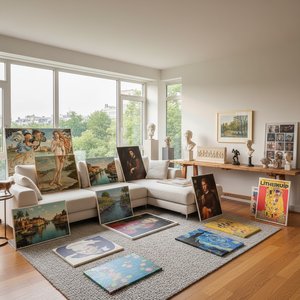
Staatliche Museen Berlin: 25 Masterpieces for Your Home | OriginalUniqueArt
Journey through 25 iconic artworks at Staatliche Museen Berlin! Explore Nefertiti, Pergamon Altar & masterpieces of German art history. Find museum-quality reproductions & curated decor ideas to bring timeless beauty home. Discover all masterpieces on OriginalUniqueArt.com.
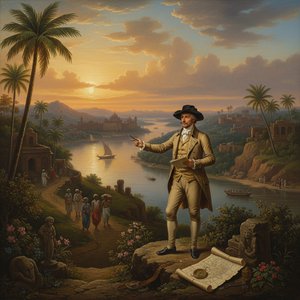
Thomas Daniell: Navigating Light, Landscape & Cultural Exchange in Early 19th-Century India
Explore the captivating landscapes of Thomas Daniell, a pioneering artist who documented India's beauty in the 19th century. Discover his 'Oriental Scenery,' aquatint technique & lasting legacy. Hand-painted reproductions available at OriginalUniqueArt.

German Expressionism's 10 Defining Masterpieces | Art for Your Home
Explore 10 defining German Expressionism masterpieces – from Munch's 'The Scream' to Kandinsky’s abstracts. Discover the artists, stories & bold colors behind this powerful art movement. Find museum-quality reproductions at OriginalUniqueArt.com.
