Menu
FREE ART CONSULTATION

Iziko South African National Gallery

Quick Facts

  • Art types: wallart
  • Featured artists:
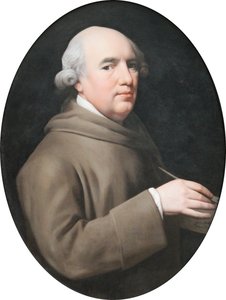
    • George Stubbs
    • harry stratford caldecott
    • alexis preller
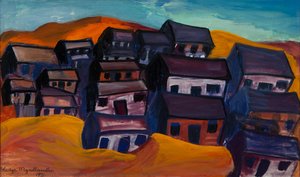
    • zainab madarasawalla
    • sidney kumalo
  • Works on APS: 29
  • Mediums: oil on canvas
  • More…
  • Location: Cape Town, South Africa
  • Alternate names:
    • Iziko South African National Gallery
    • Iziko SANG
    • South African National Gallery
    • Iziko National Gallery
  • Movements:
    • abstract expressionism
    • contemporary realism
    • impressionism
    • romanticism
    • surrealism

Art Quiz

There is only one correct answer for each question.

Question 1:
What is the Iziko South African National Gallery primarily known for?
Question 2:
The gallery's early European holdings initially aimed to represent:
Question 3:
Which artist is celebrated for her vibrant portraits of indigenous people?
Question 4:
The Iziko National Gallery's selection process prioritizes amplifying voices that are often:
Question 5:
In what historic site is the Iziko South African National Gallery located?

A Tapestry of Souls: Exploring the Iziko South African National Gallery

Nestled within the historic Company’s Garden in Cape Town, the Iziko South African National Gallery stands as more than just a repository of art; it’s a vibrant chronicle of a nation’s journey. Founded in 1872 with a bequest from Thomas Butterworth Bayley, this institution has evolved into a cornerstone of cultural heritage, meticulously curating a collection that spans centuries and continents – a testament to the diverse artistic traditions woven into the very fabric of South Africa. Its location within this serene oasis—established as a colonial settlement in 1652—adds another layer of significance to its story, anchoring it firmly in Cape Town’s past while simultaneously embracing contemporary artistic expression. The gallery’s heart beats strongest within its two primary collections: a breathtaking assemblage of Dutch, French, and British art from the 17th to the 19th centuries, and an increasingly powerful showcase of contemporary African art. The early European holdings offer a poignant glimpse into colonial influences – lavish landscapes by masters like Claude Lorrain, intricate portraits reflecting European ideals, and meticulously rendered lithographs documenting the era’s social landscape. These works, initially intended to represent Western dominance, now invite reflection on the complex interplay between cultures and the evolving narratives of identity within South Africa. Consider Rembrandt’s masterful use of chiaroscuro in portraits—a technique that powerfully conveys emotion and psychological depth—contrasted with the grandeur of Lorrain's idealized landscapes, designed to inspire awe and reinforce notions of imperial authority. Dutch Masters: The gallery boasts a significant collection of Dutch masters, including Rembrandt's influence in portraiture and the dramatic compositions of Frans Hals. Their canvases speak volumes about the artistic sensibilities of their time, capturing both formal beauty and profound human experience. British Paintings: Early 20th-century British paintings provide a window into European artistic trends during a period of rapid social change. Artists like Walter Sickert explored urban life and psychological realism, reflecting anxieties about modernity and challenging traditional aesthetic conventions. However, it is the gallery’s commitment to contemporary African art that truly sets it apart. Here, artists from across South Africa – representing diverse communities and perspectives – grapple with themes of identity, history, and social justice. Works by Irma Stern, renowned for her vibrant portraits of indigenous people; Gerard Sekoto, a pioneer of modernism in the region; and Maggie Laubser, whose evocative landscapes capture the spirit of the Cape, are particularly celebrated. The gallery’s selection process actively seeks to amplify voices often marginalized, ensuring that the narrative of South African art reflects the full spectrum of its experiences. Stern's portraits aren't merely representations of faces; they are imbued with a palpable sense of character and emotion—a testament to her ability to capture the soul of her subjects. Beyond paintings, the Iziko National Gallery houses a remarkable collection of sculpture and beadwork – tangible expressions of indigenous traditions. These intricate artworks, crafted from wood, stone, and shimmering beads, tell stories of ancestry, spirituality, and daily life. The gallery’s curators recognize the profound cultural significance of these objects, presenting them not merely as artifacts but as living embodiments of heritage. Each sculpture embodies symbolism and narrative—a visual language that transcends time and speaks to universal human concerns. A Building Steeped in History The building itself is a captivating example of early 20th-century architecture, officially opened to the public in 1930. Designed with an elegance that mirrors the grandeur of the era, it’s located within the Company's Garden, a historic site that has served as a gathering place for Cape Town since the arrival of the Dutch East India Company in 1652. The building’s design reflects a deliberate attempt to create a space worthy of the art it would house – a harmonious blend of classical influences and colonial sensibilities. Its soaring ceilings and expansive windows illuminate masterpieces, fostering contemplation and appreciation for artistic achievement. Notable Exhibitions and Artistic Highlights The Iziko South African National Gallery is not merely a static display; it’s a dynamic space that regularly hosts exhibitions showcasing both permanent collection works and temporary loans. One particularly striking example is “The Butcher Boys,” a powerful contemporary artwork by Jane Alexander, which confronts the complexities of apartheid through a darkly humorous narrative. The gallery also proudly presents William Kentridge's series of five Soho Eckstein short animated films – a unique blend of visual and narrative art that offers a profound meditation on South Africa’s past and present. These exhibitions demonstrate the gallery’s dedication to engaging with pressing social issues while simultaneously celebrating artistic innovation. Beyond these specific exhibitions, several artworks stand out as particularly noteworthy: “Adderley Street Flower-sellers” by Anton van Wouw, a masterful depiction of everyday life; “African Head,” a poignant portrait capturing the dignity and resilience of indigenous people; and "Holiday Time in Cape Town in the Twentieth Century, in Honour of the Expected Arrival of a Governor-General of UNITED South Africa," which offers a fascinating glimpse into the social dynamics of the era. A Legacy of Preservation and Innovation The Iziko South African National Gallery’s enduring legacy lies not only in its impressive collection but also in its commitment to preserving and promoting South African art – both historical and contemporary. The gallery actively seeks to engage with diverse communities, fostering dialogue and understanding through its exhibitions and educational programs. Its location within the Company's Garden provides a serene setting for contemplation and discovery, while its ongoing efforts to expand its collection and reach ensure that it will continue to play a vital role in shaping the cultural landscape of South Africa for generations to come.