Explore El Greco's dramatic art! Discover Mannerist masterpieces, religious scenes & elongated figures. A pioneer of Expressionism & Cubism – view his iconic paintings!
Hospital Tavera: A Florentine Echo in Toledo’s Heart
The Hospital Tavera stands as a testament to the grandeur of Spanish Renaissance architecture and artistic patronage, nestled within the ancient walls of Toledo. More than just a building housing a museum, it embodies centuries of history—a poignant blend of faith, ambition, and architectural innovation that continues to captivate visitors today. Its unassuming exterior belies the breathtaking interior spaces and the extraordinary collection housed within its walls, making it an unparalleled destination for anyone interested in delving into Spain’s artistic heritage.
Architectural Marvel:
Commissioned by Cardinal Tavera between 1541 and 1603, the Hospital Tavera represents a masterful adaptation of Florentine palace design principles. Architects like Alonso de Covarrubias skillfully crafted two impressive courtyards adorned with elegant arcades—a deliberate choice to elevate the hospital’s status and reflect the prestige associated with humanist ideals prevalent during the Renaissance.
The Church Crypt:
At its heart lies a magnificent church, housing the crypt of the Ducal House of Medinaceli. This space is illuminated by stained glass windows depicting biblical scenes, creating an atmosphere of solemn beauty and reinforcing the hospital’s role as a sacred site.
A Facade of Distinction:
The Italianate façade, completed in the 18th century, showcases symmetrical windows framed by Corinthian columns—a deliberate statement of grandeur and reflecting the Baroque influence that subtly permeated Toledo’s artistic landscape.
Treasures Within: A Renaissance Revelation
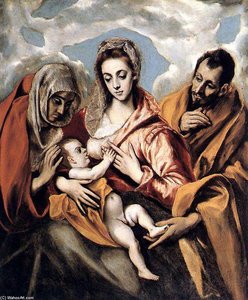
The Museo Fundación Lerma’s collection is a veritable cornucopia of artistic masterpieces spanning the Renaissance period. Among its most celebrated holdings are works by El Greco, whose expressive brushstrokes and spiritual intensity resonate powerfully with viewers. Particularly noteworthy are sculptures depicting Saint John the Baptist and Saint Philip—examples of Mannerist artistry that demonstrate the artist's fascination with dynamism and psychological depth. Furthermore, visitors can admire paintings by Titian, capturing Venetian splendor and humanist ideals. The Museo Fundación Lerma’s curators have painstakingly researched and documented each piece, providing invaluable insights into artistic techniques and cultural contexts.
Beyond El Greco & Titian:
Expanding beyond these titans of Renaissance art, the museum boasts a diverse array of artworks by Ribera, Tintoretto, Luca Giordano, Jacopo Bassano, Snyders, and Zurbarán—each artist contributing to Toledo’s artistic legacy with distinctive styles and perspectives.
A Window into Medical History:
Don't miss the preserved Old Pharmacy, offering a tangible connection to Toledo’s past. Its apothecary jars and instruments provide fascinating glimpses into medical practices during the Renaissance era—a reminder that art and science intertwined in shaping intellectual life.
Historical Significance & Cultural Context
The Hospital Tavera's history extends far beyond its architectural splendor and artistic treasures. Originally conceived as a hospital for Cardinal Tavera, it served as both a medical facility and a mausoleum—a poignant symbol of humanist piety and aristocratic patronage. Its location outside the city walls underscored its importance as a beacon of faith and learning amidst the turbulent political landscape of Spain during the 16th century.
Notable Exhibitions & Ongoing Engagement
The Museo Fundación Lerma regularly hosts exhibitions exploring themes related to Renaissance art, Iberian art history, and contemporary interpretations of Toledo’s cultural heritage. These events attract scholars and enthusiasts alike—demonstrating the museum's commitment to fostering dialogue and promoting artistic appreciation.
A Unique Toledo Experience
Finally, consider that Hospital Tavera has served as a filming location for films like Luis Buñuel’s “Viridiana,” cementing its place in cinematic history. Visiting this architectural gem offers not only an immersion into art and history but also a glimpse into Toledo's enduring influence on artistic creativity—a truly unforgettable experience.
By the OriginalUniqueArt.com Editorial Team
Art Quiz
There is only one correct answer for each question.
Question 1:
Who commissioned the construction of the Hospital Tavera?
Question 2:
Which architectural style is reflected in the hospital's two impressive courtyards with elegant arcades?
Question 3:
The church within the Hospital Tavera houses the crypt of which house?
Question 4:
Which artist's works, known for spiritual intensity, are among the most celebrated holdings in the museum?
Question 5:
What historical feature provides a tangible connection to medical practices during the Renaissance era?
Explore the captivating world of El Greco! Discover his unique style, spiritual intensity, and lasting impact on art history. Learn about this Renaissance master's life, iconic paintings & legacy.
Journey through El Greco's 25 most iconic paintings! Explore the spiritual depth & dramatic beauty of this Spanish Renaissance master. Discover art history, techniques & find museum-quality reproductions for your home at OriginalUniqueArt.com.
Journey through 25 Prado Museum masterpieces! Explore Velázquez, Goya & El Greco's iconic Spanish art. Discover the stories behind these timeless paintings and find museum-quality reproductions for your home at OriginalUniqueArt.com.