

About Hospital de la Caridad
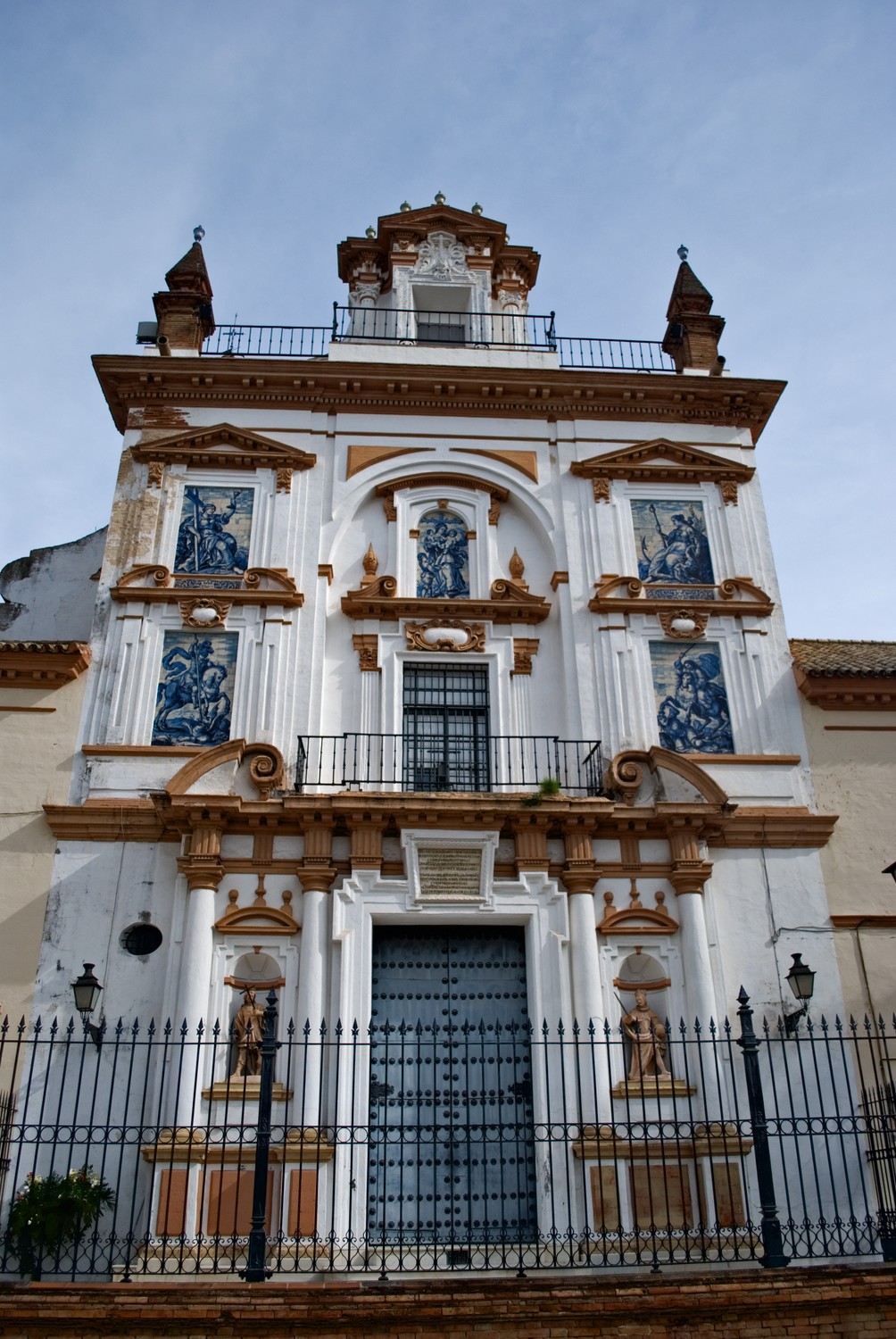
The Hospital de la Caridad in Seville, Spain, is a stunning testament to Baroque architecture and a significant cultural landmark. Founded in 1674, it continues its original mission as a care facility while also functioning as a museum showcasing an exceptional collection of art and sculpture.
History & Architecture
Dedicated to the Blessed Virgin Mary under the title of Our Lady of Charity, the hospital was established to provide for the aged and infirm. The building itself is a masterpiece of Baroque design, reflecting the charitable spirit of its founders. Its chapel is particularly renowned for containing some of Seville’s most sumptuous Baroque sculpture.
Collection Highlights
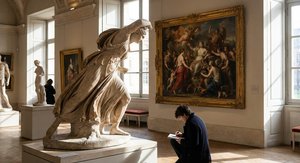
The museum's collection centers around works commissioned by Seville’s Hermandad de la Caridad (Brotherhood of Charity). Bartolomé Esteban Murillo created eight paintings for the brotherhood in 1668, embodying their commitment to aiding those in need. Four of these masterpieces remain at the Hospital de la Caridad:
- The Miracle of the Loaves and Fishes
- Moses at the Rock of Horeb
- Saint Elizabeth of Hungary
- Saint John of God Carrying a Sick Man
The other four Murillo paintings were unfortunately looted during the Napoleonic Wars and are now housed in prominent museums worldwide. The hospital also boasts an impressive collection of sculptures by Pedro Roldán , including significant works demonstrating his innovative style.
What Makes it Unique?
The Hospital de la Caridad uniquely blends its ongoing function as a care facility with its role as a museum. This living history creates a powerful atmosphere, reminding visitors of the institution’s enduring commitment to charity and compassion. The combination of breathtaking Baroque architecture, significant artworks by Murillo and Roldán, and its continued social purpose makes it an unforgettable destination for art lovers and those interested in Spanish history.