
A Window into a Resilient City: The Historisch Museum Het Schielandhuis
Nestled within the heart of Rotterdam, in a building that whispers tales of centuries past, lies the Historisch Museum Het Schielandhuis – more than just a museum; it’s a tangible embodiment of a city's enduring spirit. Originally constructed as a stately home, a testament to the wealth and influence of the Schieland Water Board, this meticulously restored 17th-century structure now serves as a captivating portal into Rotterdam’s complex and fascinating history. Stepping through its doors is akin to embarking on a journey through time, guided by the echoes of merchants, water management experts, and the very people who shaped this dynamic port city.
The museum's unique appeal stems from its intensely local focus – a deliberate departure from broader national institutions. Rather than presenting a sweeping overview of Dutch history, Het Schielandhuis delves deep into the specific narrative of Rotterdam, offering an intimate and remarkably detailed understanding of its identity. This dedication to place is further enhanced by the building itself; its architecture—a masterful example of Dutch Classicism—provides a powerful visual connection to the eras it represents. The careful preservation of original features, from ornate paneling to soaring ceilings, creates an immersive experience that transcends mere observation and invites genuine engagement with the past.
A Tapestry of Rotterdam’s Story: Key Collections & Exhibits
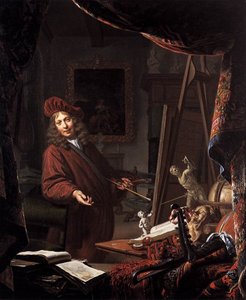
The museum's collection is a carefully curated mosaic reflecting the multifaceted layers of Rotterdam’s history. At its core lies a remarkable assemblage of 17th-century art, offering intimate glimpses into the cultural landscape of the Dutch Golden Age. These paintings and decorative objects provide invaluable insights into the tastes, beliefs, and social dynamics of the time – showcasing both grand portraits and smaller, more personal works that reveal the everyday lives of Rotterdammers.
- Rotterdam History: Explore the city’s evolution from a humble settlement to a global trading powerhouse. Discover how strategic decisions regarding water management—a defining characteristic of Dutch identity—played a crucial role in shaping Rotterdam's growth and resilience.
- Water Board History: Delve into the critical function of Water Boards, those complex administrative bodies that have governed the Netherlands’ intricate network of dikes and waterways for centuries. Understanding their influence is paramount to grasping Rotterdam’s unique relationship with its environment.
- Napoleon’s Impact: Trace the significant effects of Napoleon Bonaparte's era on Rotterdam – a period marked by occupation, upheaval, and lasting political and social changes.
- Local Heritage: Immerse yourself in the stories of Rotterdam’s residents, traditions, and daily routines throughout history. Exhibits showcase artifacts that illuminate the lives of ordinary people—from merchants and sailors to artisans and laborers.
Architectural Significance & Historical Context
The building itself is a significant landmark, reflecting its layered past. Originally designed as a stately home by Pieter Post – the same architect behind Maastricht’s city hall and Leiden's Waag – Het Schielandhuis embodies the grandeur of the 17th century while simultaneously bearing the marks of subsequent transformations. Its transformation into a museum in 1986 was a deliberate act, preserving this architectural gem for future generations to appreciate and learn from. The building’s history is intertwined with that of Rotterdam itself – having served as the residence of the Polder Council and even hosting Napoleon and Marie Louise during their stay in the city.
A Living Museum: Exhibitions & Unique Appeal
Beyond its permanent collection, Het Schielandhuis regularly hosts engaging temporary exhibitions that explore specific themes within Rotterdam’s history. These events often incorporate interactive elements, offering visitors a dynamic and thought-provoking experience. The museum's commitment to interdisciplinary storytelling—weaving together art, history, and social narratives—further enhances its appeal. Furthermore, the museum’s location in a historic building adds an unparalleled layer of authenticity, creating a truly immersive journey through time. Don’t miss the opportunity to explore this remarkable institution – a testament to Rotterdam's resilience, ingenuity, and enduring legacy.