

Table of Contents
Quick Facts
- Works on APS: 1
- Alternate names:
- Historic Scotland
- National War Museum
- Location: Edinburgh, United Kingdom
- Featured artists: sir john watson gordon
Art Quiz
There is only one correct answer for each question.
Question 1:
What is Historic Scotland primarily responsible for?
Question 2:
The National War Museum is located within which iconic Edinburgh landmark?
Question 3:
Historic Scotland’s mission focuses on:
Question 4:
Which popular culture production has featured several sites managed by Historic Scotland?
Question 5:
What was the original purpose of Edinburgh Castle before it housed the National War Museum?
Exhibited Artists
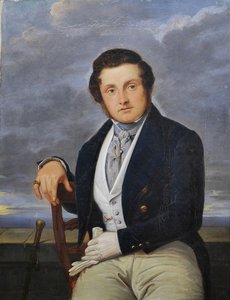
sir john watson gordon
Explore the captivating portraits of Sir John Watson Gordon, a Scottish master renowned for his elegant style & iconic sitters like Scott & Chalmers. Discover 19th-century art brilliance.

Related Articles
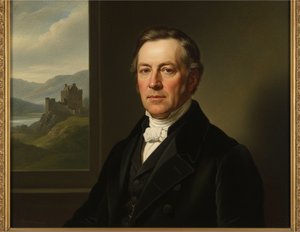
Henry Raeburn: A Scottish Portraitist's Mastery of Light, Character & National Identity
Explore the life & work of Henry Raeburn, a master Scottish portraitist. Discover his innovative techniques, captivating portraits of the Enlightenment era, and lasting legacy in art history. Learn more at OriginalUniqueArt.

Art as Architecture: Custom Paintings and the Spatial Identity of Interior Environments
Discover how custom paintings transform interior spaces. Expert art curation & site-specific commissions for luxury homes & commercial projects. Elevate your design with OriginalUniqueArt.
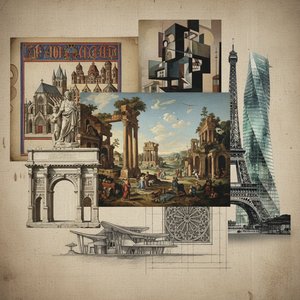
The Enduring Legacy of Architecture in Art: A Historical Survey of Representation & Meaning
Explore the rich history of architecture in art, from Renaissance theory to 19th-century reconstructions. Discover key artists & movements shaping visual representation – a guide for discerning collectors.


Subscribe to Our Newsletter
Stay updated with the latest art news, exclusive offers, and decoration ideas.
Get 3 Free Art Suggestions
Tell us about your project and our art experts will provide you with 3 personalized art suggestions.
Not Sure Where to Start?
Let Us Curate 3 Options Just for You - Free!