

A Symphony of Sound and History: Exploring the Hamamatsu Museum of Musical Instruments
Nestled in the heart of Shizuoka Prefecture, Japan—a region renowned for its rich musical heritage—the Hamamatsu Museum of Musical Instruments stands as a testament to humanity’s enduring fascination with sound. Inaugurated in April 1995, this isn't merely a repository of instruments; it’s an immersive journey through the evolution of music itself, from the delicate melodies of ancient times to the groundbreaking sonic landscapes crafted by modern technology. More than just a display case, the museum breathes with the spirit of innovation and tradition that defines its birthplace—the city of Hamamatsu, a global center for musical instrument manufacturing.
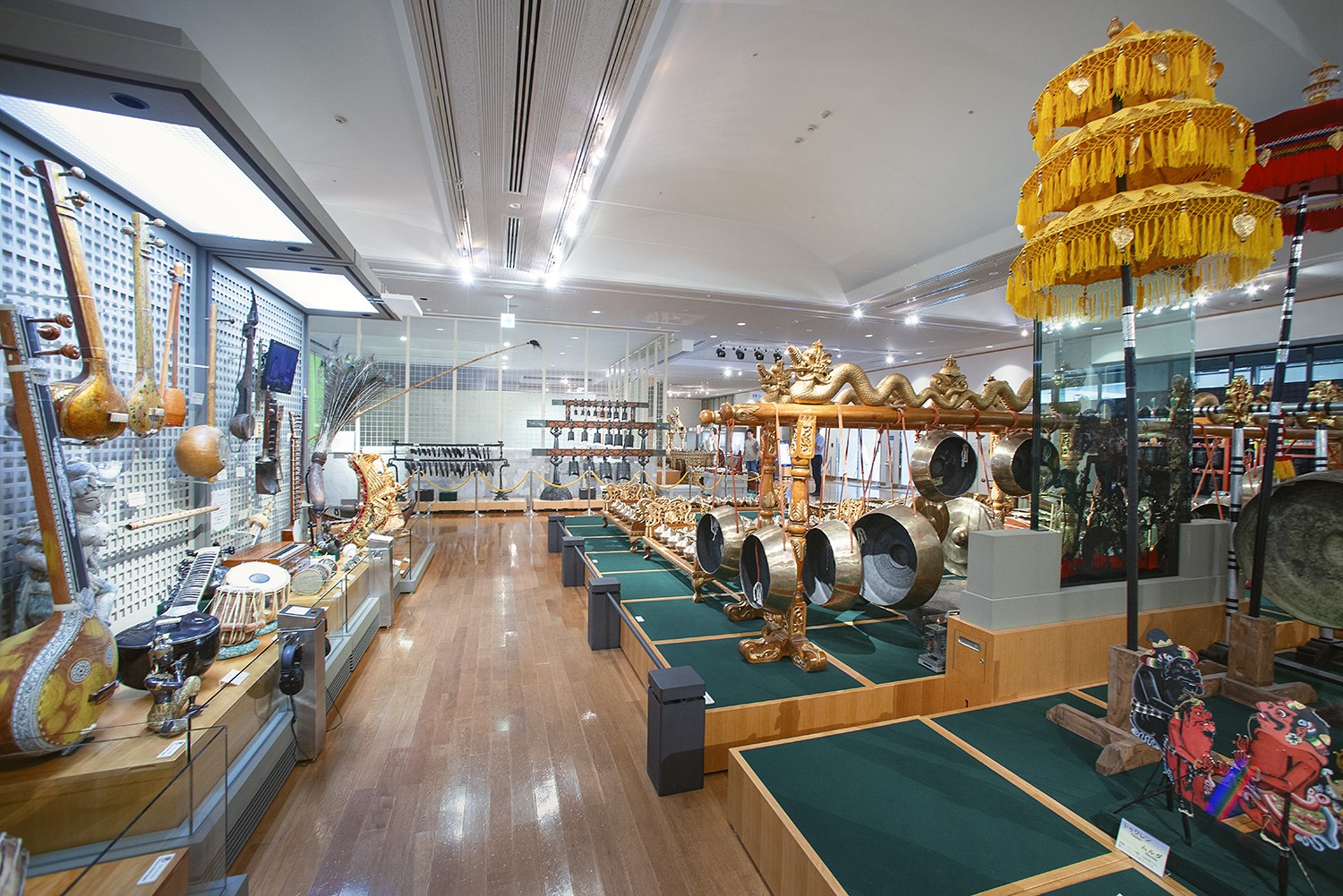
Upon entering, visitors are immediately struck by the sheer breadth and diversity of the collection, numbering over 1500 instruments sourced from across the globe. The museum’s galleries unfold like a sonic tapestry, weaving together cultures and eras. One can lose themselves amongst the exquisite craftsmanship of 19th-century pianos—instruments that represent not only artistic beauty but also pivotal technological advancements in their time. Yet, the collection extends far beyond Western traditions, offering a profound exploration of Japanese instruments such as the evocative Taishōgoto and the resonant Biwa. These are presented alongside captivating examples of percussion, stringed, and wind instruments from Asia, Africa, Oceania, and the Americas—each instrument telling a unique story of cultural expression and artistic development. The museum’s curators have meticulously assembled a collection that is both encyclopedic and deeply engaging, inviting contemplation on the universal language of music.
Bridging Tradition and Technology: Hamamatsu's Sonic Legacy
What truly sets the Hamamatsu Museum apart is its remarkable dedication to showcasing the evolution of electronic music. Hamamatsu’s history is inextricably linked to musical innovation—it’s home to industry giants like Yamaha, Korg, and Roland—and this influence permeates every corner of the museum. Here, visitors encounter iconic synthesizers such as the Moog and the Roland System 700, alongside pioneering rhythm machines like the Korg M01. These instruments aren't presented as mere relics; they are celebrated as pivotal moments in musical history, demonstrating how technology has continually reshaped our sonic landscape. The museum doesn’t simply display these devices; it explores their impact on music theory, composition, and performance, offering a nuanced understanding of their cultural significance. Interactive exhibits allow visitors to experiment with early synthesizers, experiencing firsthand the transformative power of electronic sound.
Architectural Harmony: A Space for Sonic Exploration
The museum’s architectural design is thoughtfully integrated with its collection, creating an environment that fosters exploration and engagement. Spacious galleries encourage a sense of wonder, while special exhibition spaces host dynamic displays delving into specific themes—from the intricate mechanics of reed organs to the history of Japanese musical instruments. The building itself is a testament to modern design, utilizing natural light and open layouts to create a welcoming atmosphere. The acoustics within the museum are carefully considered, ensuring that visitors can fully appreciate the sounds of the instruments on display. Notably, the museum incorporates listening stations equipped with high-quality headphones, allowing for intimate encounters with each instrument’s unique timbre.
Notable Exhibitions and Ongoing Engagement
Throughout its history, the Hamamatsu Museum has hosted a diverse range of exhibitions that illuminate the fascinating world of musical instruments. Past displays have explored the rich traditions of the Biwa, tracing its evolution from ancient lute to modern performance instrument. The museum’s commitment to engaging with contemporary audiences is evident in its ongoing programs, including live demonstrations and hands-on experiences. In 2021, a special exhibition celebrated Beethoven's masterpiece, showcasing instruments used in performances of his works. Furthermore, the museum actively collaborates with leading manufacturers and participates in global initiatives such as Google Arts & Culture, extending its reach to audiences worldwide. The “Real Sound Viewing Chikuzen Biwa Performance Reproduction” exhibit, launched in 2021, offered a rare opportunity to experience the sounds of traditional Japanese instruments through meticulously recreated performances.
A Legacy of Preservation and Innovation
The Hamamatsu Museum of Musical Instruments is more than just a collection of historical artifacts; it’s an active participant in the preservation and promotion of musical culture. Recognized with prestigious awards like the Fumio Koizumi Music Prize, the museum plays a vital role in documenting the complete narrative of musical development—from its earliest roots to its cutting-edge innovations. The inclusion of instruments used in Japanese schools during the Meiji period, alongside the oldest Yamaha organ from 1881, underscores this commitment. The museum’s dedication extends beyond mere preservation; it actively seeks to inspire future generations of musicians and music lovers, ensuring that the legacy of sound continues to resonate for years to come.