
A Sanctuary of Healing: Exploring St Thomas’ Hospital and its Artistic Legacy
Nestled in the heart of London, St Thomas’ Hospital stands as more than just a venerable medical institution; it is a living testament to centuries of healing, innovation, and artistic patronage. Founded in 1746 by Sir Thomas Ashton, a physician dedicated to providing free care for the poor, the hospital has evolved from a modest dispensary into one of Britain's leading centers for healthcare and research. But beyond its vital medical role, St Thomas’ possesses a remarkable collection of art – a carefully curated reflection of its history, values, and the evolving tastes of those who shaped it. This isn’t simply a museum; it’s an immersive experience that bridges the gap between medicine and beauty, offering a poignant glimpse into the lives touched by both.
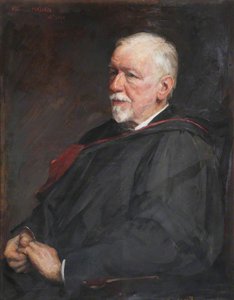
The hospital's artistic journey began modestly, with portraits commissioned to commemorate key figures within its administration and medical staff. However, over time, a deliberate strategy of collecting developed, driven by a desire to create an environment conducive to healing – one that was not only functional but also aesthetically pleasing. The collection is remarkably diverse, spanning the 18th through 20th centuries, encompassing paintings, sculptures, decorative arts, and even textiles. A significant portion reflects the hospital’s commitment to education; anatomical studies, often rendered with astonishing detail by artists like John Hunter, are displayed alongside works celebrating the human form and its capabilities. These aren't sterile scientific illustrations, but rather imbued with a sense of reverence and respect for the intricacies of life.
Architectural Marvels and Interior Decoration
The hospital’s architecture itself is a crucial element of its artistic narrative. The original building, largely constructed between 1746 and 1839 under successive architects including Robert Taylor and Decimus Burton, exemplifies the Georgian style with its symmetrical facades, classical detailing, and grand entrance hall. However, it was Burton’s later additions – particularly the stunning Victorian extension designed in 1858 – that truly elevated the hospital's aesthetic profile. This expansion introduced a wealth of decorative elements: intricate plasterwork, vibrant mosaics, and elaborate stained-glass windows. These features weren’t merely ornamental; they were intended to create a calming and uplifting atmosphere for patients and staff alike.
- The Great Hall: A magnificent space adorned with murals depicting scenes of medical practice and charitable works – a powerful visual statement about the hospital's mission.
- Stained Glass Windows: Numerous windows, particularly in the Victorian extension, feature intricate designs incorporating biblical themes and symbols of hope and healing.
- The Chapel: A serene sanctuary showcasing exquisite stained glass and sculpted figures, reflecting the hospital’s strong religious heritage.
Notable Artistic Highlights
Among the collection's most prized possessions are several works that offer unique insights into the hospital’s history and values. A series of portraits by Thomas Phillips, depicting prominent surgeons and physicians from the 18th century, provide intimate glimpses into the personalities who shaped medical practice. The hospital also holds a remarkable collection of anatomical drawings, including detailed studies of the human skeleton and musculature created by John Hunter, considered one of the most influential anatomists of his time. Furthermore, several pieces of furniture – particularly intricately carved chairs and desks – demonstrate the importance placed on creating comfortable and dignified spaces for both patients and staff.
More recently, the collection has expanded to include works reflecting contemporary art and design. The hospital’s commitment to innovation extends beyond medicine, and this is reflected in its embrace of modern artistic expressions. A notable example is a series of abstract sculptures by contemporary artists, thoughtfully integrated into the hospital's public spaces – offering a dialogue between tradition and modernity.
Exhibitions and Ongoing Engagement
St Thomas’ Hospital actively engages with the public through a variety of exhibitions and events. The museum regularly hosts temporary displays showcasing highlights from its collection, alongside thematic exhibitions exploring medical history, art and medicine, and contemporary design. The hospital also offers educational programs for students and the general public, fostering a deeper understanding of its rich heritage and its ongoing commitment to healthcare.
One particularly noteworthy recent exhibition explored the evolution of patient care through visual media – from early anatomical illustrations to modern medical photography. This demonstrated how art has always played a crucial role in documenting, interpreting, and ultimately improving our understanding of the human body and the processes of healing. Looking ahead, St Thomas’ Hospital continues to champion artistic expression as an integral part of its mission, solidifying its position as a unique cultural landmark – a place where the pursuit of knowledge and beauty converge.