The Architecture of Revelation
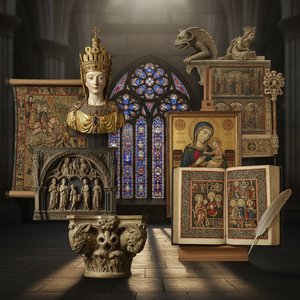
To approach Glencairn Museum is to encounter an architectural marvel that transcends the boundaries of a mere residence or a traditional gallery. Nestified within the verdant, rolling landscapes of Bryn Mawr, Pennsylvania, this castle-like structure rises with a monumental presence, its nine-story granite edifice serving as a profound testament to faith and artistic vision. Built between 1928 and 1939, the mansion was the passion project of Raymond Pitcairn, a man who, despite lacking formal architectural training, orchestrated a masterpiece of Romanesque design through meticulous modeling and an unparalleled collaboration with master craftsmen. The very stones of Glencairn seem to breathe with history; the soaring towers and intricate carvings are not merely decorative elements but are integral components of a larger spiritual narrative. As sunlight filters through magnificent stained glass panels—some of which were rescued from historic medieval churches—it casts a kaleidoscopic dance of color across the stone floors, illuminating the interior in a way that feels both ethereal and grounded in the earth.
For the admirer of fine structure and the designer of interiors, the museum offers an unparalleled study in texture and light. The interplay between the rugged, ruddy-colored granite and the delicate, luminous glass creates an atmosphere of contemplative grandeur. Every corner of this nine-story labyrinth invites exploration, from the elaborate mosaics that adorn the walls to the meticulously crafted metalwork that speaks to a bygone era of artisanal excellence. It is a space where the architecture does not simply house art; it is the art, providing a sanctuary where the material world and the spiritual realm converge.
A Global Tapestry of Devotion
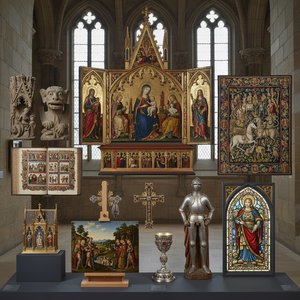
Beyond its formidable walls, Glencairn holds a collection that is as diverse as it is deeply moving. Rather than following a strict chronological or geographical timeline, the museum’s holdings are curated around the profound themes of religious expression and human yearning for the divine. This thematic approach allows visitors to witness a silent, beautiful dialogue between disparate cultures and eras. One might find Ancient Egyptian sculptures standing in quiet conversation with the delicate, illuminated manuscripts of medieval Europe, or vibrant Islamic ceramics sharing space with the serene, timeless presence of Asian bronzes.
The collection is a treasure trove for any lover of sacred art, featuring:
- Stunning fragments of medieval stained glass that bring the light of ancient cathedrals to Pennsylvania.
- An impressive array of early Christian icons that offer a window into the devotional aesthetics of the Byzantine world.
- Significant holdings of Native American ceremonial objects, providing insight into the spiritual traditions of indigenous peoples.
- Exquisite metalwork and textiles that showcase the technical mastery of various global civilizations.
An Enduring Legacy of Vision
The soul of Glencairn is inextricably linked to the legacy of the Pitcairn family and their deep connection to the New Church. The museum was originally conceived as a private retreat, a place where art could serve as a model for excellence for those working on the nearby Bryn Athyn Cathedral. This sense of purpose remains palpable today; the museum retains the intimate, cherished feeling of a home while offering the intellectual depth of a world-class institution. Following the gift of the estate to the Academy of the New Church, the mission of preservation has ensured that this extraordinary vision continues to inspire new generations of collectors and scholars alike.
Ultimately, Glencairn Museum is more than a destination for the art historian; it is an invitation to reflect. It challenges the visitor to look past the surface of the object—the wood, the stone, the glass—and to recognize the enduring human quest for meaning. Whether one is drawn by the architectural brilliance of its Romanesque towers or the spiritual resonance of its global collection, Glencairn remains a sanctuary where art transcends its material form to become a profound experience of the spirit.