A Sanctuary of Modernity: The Soul of Kunstmuseum Den Haag
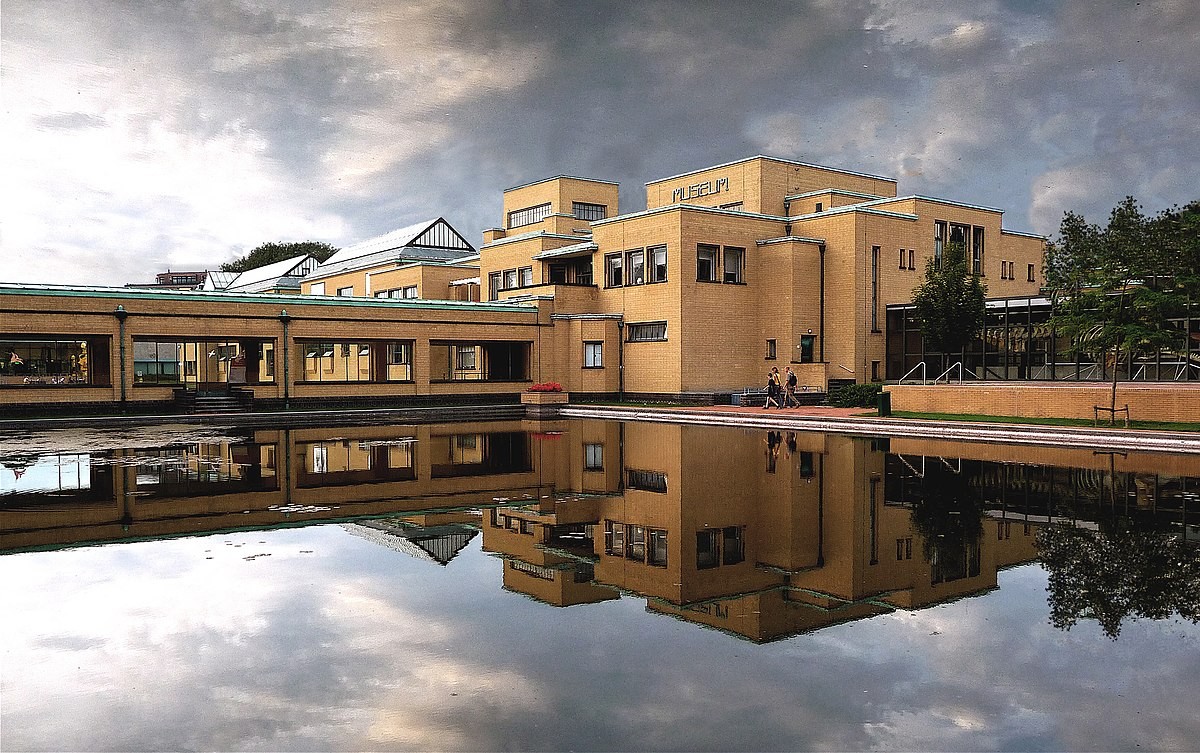
Nestled in the heart of The Hague, Kunstmuseum Den Haag stands as a profound testament to artistic vision and architectural grandeur, serving as a luminous beacon that illuminates the evolution of European art. From its humble beginnings in 1866 as the Museum voor Moderne Kunst, its journey has mirrored an unwavering commitment to preserving Dutch cultural heritage while fearlessly embracing groundbreaking innovation. Today, the museum houses approximately 165,000 artworks that span centuries and disciplines, offering visitors a deeply moving encounter with the very essence of human creativity. It is not merely a repository for objects, but a living dialogue between the historical weight of the past and the vibrant energy of the contemporary moment.
The experience of the museum begins long before one encounters a canvas, as the building itself serves as a deliberate architectural statement. Conceived by the renowned Dutch architect H.P. Berlage and constructed between 1931 and 1935, the structure represents a masterful rejection of opulent convention. Eschewing the imposing stone facades typical of grand institutions, Berlage utilized humble bricks to proclaim a philosophical declaration: that art should be democratized and made approachable to all. Inside, the museum unfolds with a harmonious, rhythmic flow, bathed in natural light that dances across the surfaces to accentuate the textures of the masterpieces. This intentional design prioritately spatial organization and accessibility, creating an atmosphere of quiet contemplation where the architecture enhances, rather than overwhelms, the visitor's connection to the art.
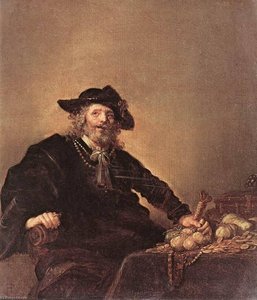
While the museum’s architectural bones are rooted in Berlage’s functionalist brilliance, its heart beats with a collection of singular depth. It is globally renowned for possessing the world’s most significant collection of works by Piet Mondriaan , a cornerstone of modern art. The monumental Victory Boogie Woogie dominates these holdings, an ambitious and frenetic composition that embodies the culmination of Mondriaan's lifelong artistic trajectory. Yet, to define the Kunstmuseum solely by its Mondrian legacy would be to overlook its breathtaking breadth. Visitors find themselves wandering through a curated tapestry of history, where the delicate precision of the Dutch Golden Age meets the impressionistic light of Claude Monet and the expressive power of Pablo Picasso .
The museum’s vision is further expanded through its symbiotic relationship with KM21 (Museum for Contemporary Art) and Fotomuseum Den Haag . This interconnected ecosystem fosters a continuous dialogue between tradition and the cutting edge, showcasing contemporary practices that challenge our very notions of what art can be. Recent exhibitions have traversed diverse cultural landscapes, from the retrospective explorations of Portuguese painter Paula Rego to celebrations of the iconic Basque fashion designer Cristóbal Balenciaga . For the seasoned collector seeking inspiration, the interior designer searching for a creative spark, or the wandering art lover, Kunstmuseum Den Haag offers an unforgettable synthesis of historical depth and forward-thinking vision that resonates long after one leaves its hallowed halls.