A Journey Through Venetian Splendor: Exploring the Galleria d’Arte Antica of Udine
Nestled within the formidable walls of Udine Castle, a testament to centuries of noble lineage and strategic importance, lies the Galleria d’Arte Antica – a treasure trove offering an intimate yet profound glimpse into Italian artistic evolution. Established in 1866 as part of the broader Castle Museums, this gallery isn't merely a repository of paintings; it’s a carefully curated narrative spanning the Renaissance through the early 19th century, deeply rooted in the history and cultural identity of Friuli Venezia Giulia.
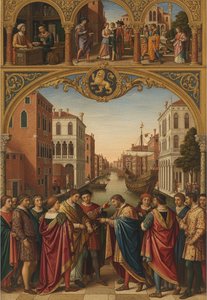
The Galleria’s core collection is dominated by the artistic currents flowing from Venice – a city renowned for its independent spirit and unparalleled patronage of the arts. Here, one encounters the masterful brushstrokes of Carpaccio, whose poignant depictions of biblical scenes resonate with an almost palpable emotional depth, and the grand, theatrical compositions of Tiepolo, whose influence shaped generations of Venetian artists. But the gallery’s scope extends beyond Venice, revealing a fascinating regional focus. A significant portion of the collection celebrates Giovanni da Udine, a local artist whose legacy is inextricably linked to the city itself. His captivating bird studies and intricate wood altars offer a unique window into the artistic traditions nurtured within Udine's walls – a testament to the region’s vibrant creative spirit.
Renaissance Devotion and Aristocratic Beauty
Amongst the gallery’s most arresting works is Bartolomeo Montagna’s “Saint Justina of Padua” (c. 1490). This painting exemplifies the Renaissance's complex interplay between religious devotion and aristocratic grandeur. Saint Justina, a revered local saint, is depicted not as a humble supplicant but as a figure of considerable beauty and status – a reflection of the powerful families who commissioned such works to assert their piety and prestige. The painting’s rich colors, meticulous detail, and carefully constructed composition speak volumes about the artistic conventions and social values of the era. The symbolism woven throughout the piece—elements referencing her martyrdom and the patronage of her family—further enriches its narrative complexity.
A Castle Within a Museum: Architectural Context
What truly elevates the Galleria d’Arte Antica is its location within the historic Castle Museums of Udine. The castle itself, with its imposing structure and layered history – having served as a residence for various noble families over centuries – provides an immersive experience that transcends mere art appreciation. Walking through the gallery feels like stepping back in time, connecting visitors to Udine’s rich past and the powerful figures who shaped its destiny. The architecture of the castle—its soaring arches, sturdy walls, and strategic vantage points—contributes significantly to the museum's atmosphere, creating a sense of grandeur and historical weight.
Beyond the Masterpieces: A Regional Perspective
While the Galleria boasts internationally recognized masterpieces, it’s the gallery’s commitment to showcasing artists with ties to Friuli Venezia Giulia that truly sets it apart. The collection includes works by Giovanni da Udine, reflecting the region's unique artistic identity, and pieces from other local masters who contributed significantly to the development of Venetian art. This regional focus offers a valuable perspective on Italian art history, highlighting the diverse influences and creative traditions that have shaped the region’s cultural landscape. The museum actively seeks to preserve and promote this rich legacy, ensuring that it remains accessible to both local residents and international visitors.
A Living Collection: Exhibitions and Ongoing Discovery
The Galleria d’Arte Antica is not a static monument; it's a dynamic space dedicated to the ongoing study and presentation of its collection. Temporary exhibitions regularly showcase newly acquired works, offering fresh perspectives on familiar masterpieces and introducing visitors to lesser-known artists. The museum’s commitment to research and conservation ensures that these artworks are preserved for future generations, while also providing opportunities for scholarly engagement and public dialogue. A visit today reveals a vibrant space where history, art, and culture converge, inviting exploration and contemplation.