A Symphony of Stone and Spirit: The Legacy of Palazzo Chigi Saracini
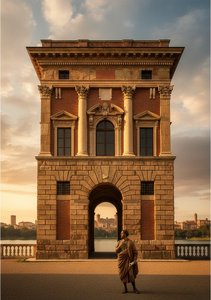
In the heart of Siena, where the medieval shadows of Via di Città meet the golden light of Tuscany, stands a monument that transcends the mere boundaries of architecture. Palazzo Chigi Saracini is not simply a building; it is a living, breathing chronicle of Sienese nobility, a place where the rugged strength of the 12th-century Gothic era gracefully yields to the opulent flourishes of the Rococo. To enter its gates is to step into a temporal tapestry, woven from the ambitions of the Marescotti, the Piccolomini, and the Saracini families. The palace’s exterior, with its imposing tower and sturdy walls, whispers of a time when Siena was a fortress of independence, yet as one moves through its threshold, the atmosphere shifts into an ethereal dance of light and gilded elegance .
The architectural journey within the palazzo is a masterclass in stylistic evolution. The heavy, defensive character of its Gothic roots provides a profound foundation for the breathtaking transformation found in its interior salons. Here, the walls are adorned with intricate stucco work that seems to ripple like silk under the glow of magnificent chandeliers. One cannot help but feel the pulse of the Enlightenment in the Rococo splendor of the halls, where every gilded accent and delicate pattern serves to elevate the spirit. The courtyard, a serene oasis of tranquility, offers a moment of reflection, featuring a gentle fountain and manicured gardens that harmonize the palace's medieval resilience with a refined, aristocratic grace.
A Dialogue Between Art and Melody
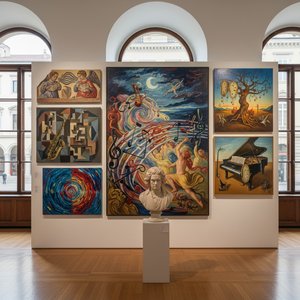
For the discerning art lover and collector, the Palazzo Chigi Saracini offers an unparalleled encounter with the masters of the Italian Renaissance and beyond. The collection is a curated dialogue between eras, housing luminous canvases by Sassetta and the profound humanist beauty of Botticelli . These works do more than decorate; they breathe life into the halls, their vibrant palettes and exquisite details reflecting the intellectual fervor of their age. Beyond the two-dimensional, the palace preserves a tangible connection to the soul of music. The presence of antique instruments, including the legendary piano once played by Liszt , transforms the palace into a resonant chamber of history.
This musical heritage is anchored by the Accademia Musicale Chigiana , ensuring that the palazzo remains not a silent tomb of the past, but a vibrant stage for contemporary excellence. The halls serve as a sanctuary where different art forms converge:
- The Rococo concert hall , which serves as a centerpiece for musical performance.
- The unique dining room , distinguished by its unusual and captivating painted tapestry walls.
- The salotti (salons), which house an exquisite array of paintings produced between the 13th and 18th centuries.
- A collection of precious decorative arts and furniture, including the oldest harpsichord in existence.
For interior designers and aesthetes, the palace serves as the ultimate reference for the integration of art, music, and architecture—a testament to how decorative arts can create an environment of profound cultural depth. Whether wandering through its historic rooms or contemplating the portraits of illustrious Sienese families, every visitor finds themselves part of a continuous, unfolding story of beauty, erudition, and enduring prestige.